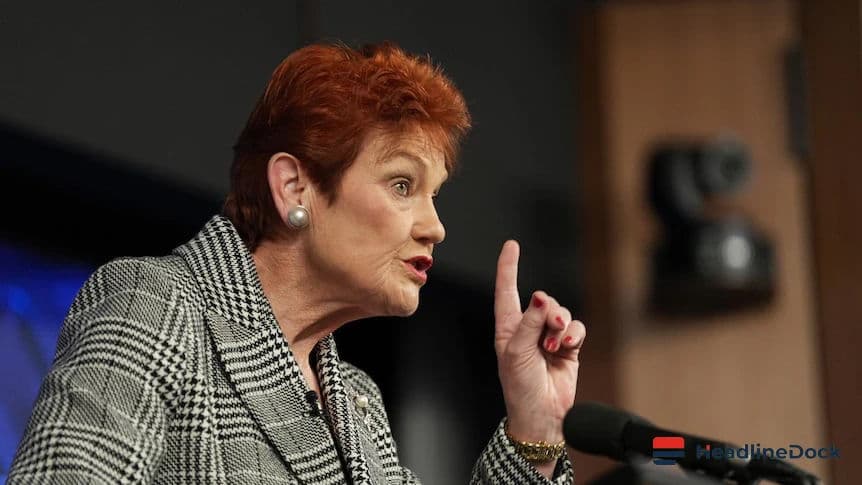
Keir Starmer Attempts Emotional Rebrand With Social Media Ban Proposal
Prime Minister Keir Starmer has unveiled a proposal to ban social media for those under 16. This move serves as a significant strategic shift, as he attempts to replace a cautious, technocratic leadership style with a more emotional and relatable political persona.
Highlights
- •Keir Starmer has proposed a social media ban for those under 16.
- •The announcement marks a shift toward a more emotional and relatable leadership style.
- •The Prime Minister is moving away from a previously cautious, technocratic political strategy.
- •Implementation faces major challenges regarding regulation, legislation, and enforcement.
In the complex sphere of national politics, a single policy announcement often serves as a vehicle for a broader strategic shift. Prime Minister Keir Starmer recently demonstrated this when he unveiled proposals regarding a potential social media ban for individuals under the age of 16. While presented as a public safety initiative, the announcement effectively signals a deeper pivot in Keir Starmer’s leadership style and political narrative.
This development suggests a conscious effort to move away from the cautious, technocratic approach that characterized the early stages of his premiership. Observers have long noted that his administration struggled with an image of hesitation, often described as a reliance on an extreme caution strategy. By embracing a more direct and emotional tone, Keir Starmer appears to be attempting a significant rebranding, aiming to shed the image of being overly formal and detached from the daily concerns of the public.
The Evolution of the Prime Minister’s Political Persona
The timing of this proposal coincides with a critical juncture, as the government faces pressure to articulate a clearer vision. Previously, critics argued that the government’s actions lacked a unifying theme, leading to what some termed the politics of nothing. The recent shift highlights a move toward a more relatable persona, with the Prime Minister frequently emphasizing his personal perspective as a parent. During his recent remarks, he articulated a desire for all children to be safe and happy, striking a chord that seemed to resonate more effectively with his audience than his previous, more rehearsed rhetoric.
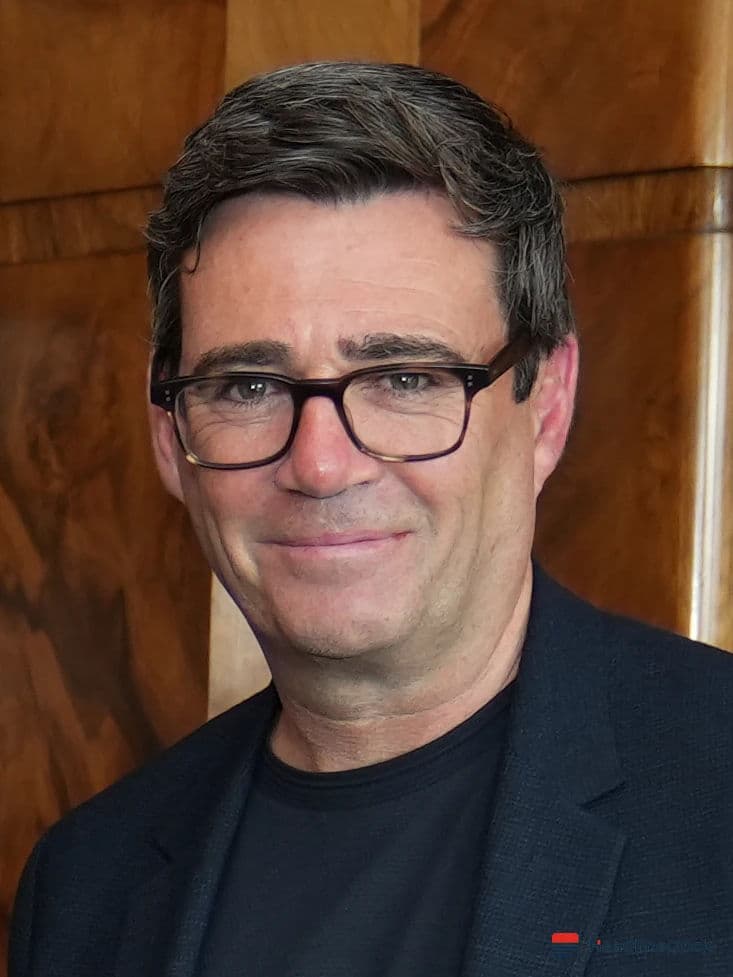
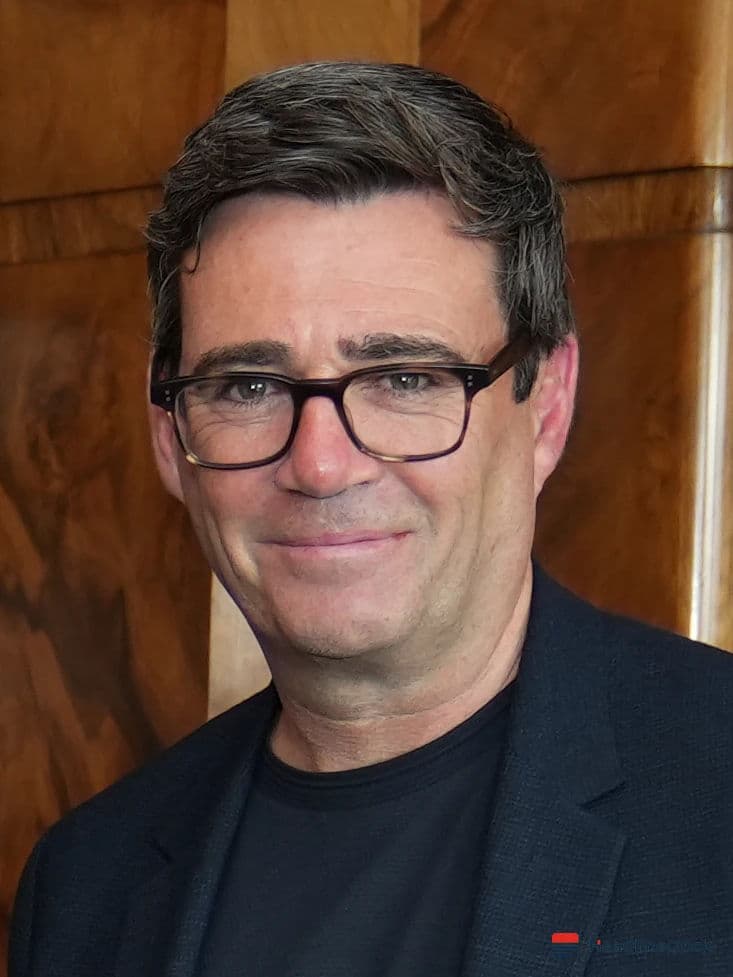
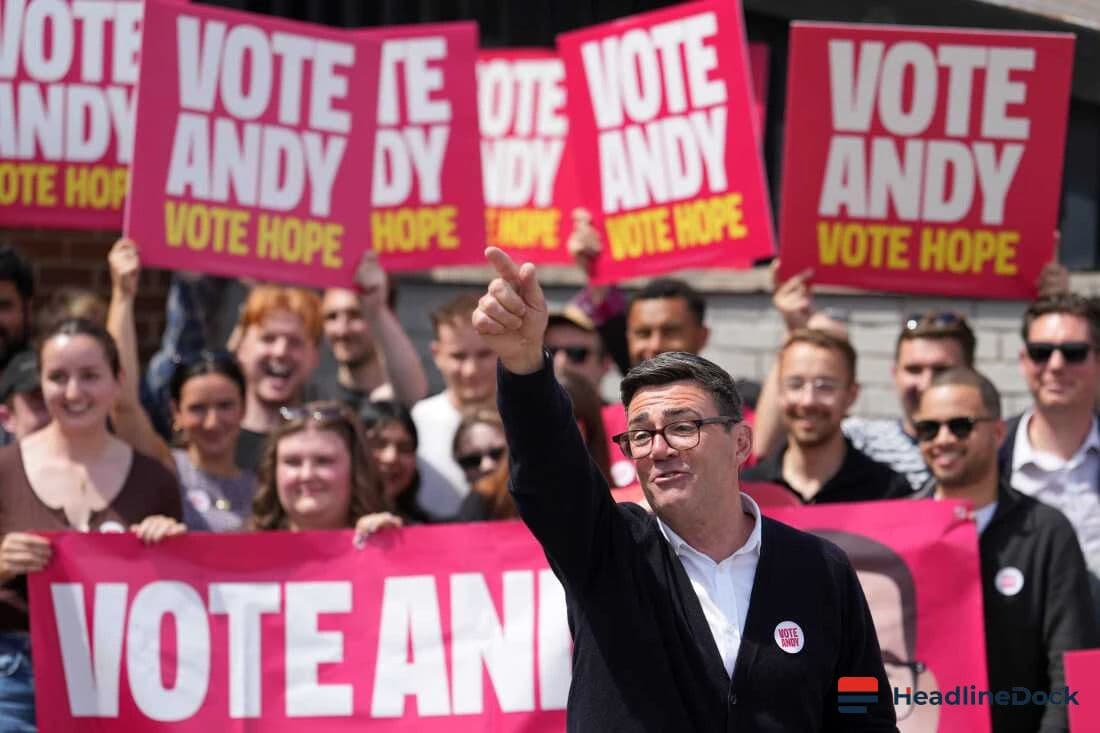
This rebrand is not limited to policy discourse; it extends to his presentational style. There is a noticeable effort to emulate a more casual, engaging approach, which some have compared to the political communication style of figures like Andy Burnham. By appearing in less formal attire and adopting a more relaxed delivery, the Prime Minister is clearly working to foster a sense of authenticity that was previously felt to be lacking.
Navigating Policy Challenges and Future Direction
Despite this new, more emotional tone, the administration has acknowledged the significant hurdles involved in implementing a social media ban. The Prime Minister has candidly noted the complexities of legislation, regulation, and enforcement. This acknowledgment serves as a reminder that underneath the new presentational layer, the underlying challenges of governance remain. The core task for the government now is to translate this shift in tone into substantive action that addresses the public’s frustration.
Ultimately, the move toward this new, more open style of leadership may be viewed as a necessary evolution for a premiership that has navigated a challenging landscape of policy adjustments and public scrutiny. Whether this emotional rebrand provides the necessary momentum to define the government's legacy remains to be seen, but it marks a decisive departure from the political framework of the past two years.