Andy Burnham's Westminster Return and the Evolving Landscape of British Politics
The return of Andy Burnham to parliament via the Makerfield byelection highlights a transformative shift in British politics. His experience as Greater Manchester mayor suggests that regional leadership is emerging as a credible alternative path to national power and high-level political office.
Highlights
- •Andy Burnham's decisive 55% vote victory in the Makerfield byelection marks his return to national politics.
- •Burnham's path contrasts with the traditional Westminster-only route by emphasizing executive experience as a metro mayor.
- •The shift highlights how England's metro mayors are becoming significant independent centers of political authority.
- •International parallels suggest that governing major urban regions can serve as a vital preparation for national leadership.
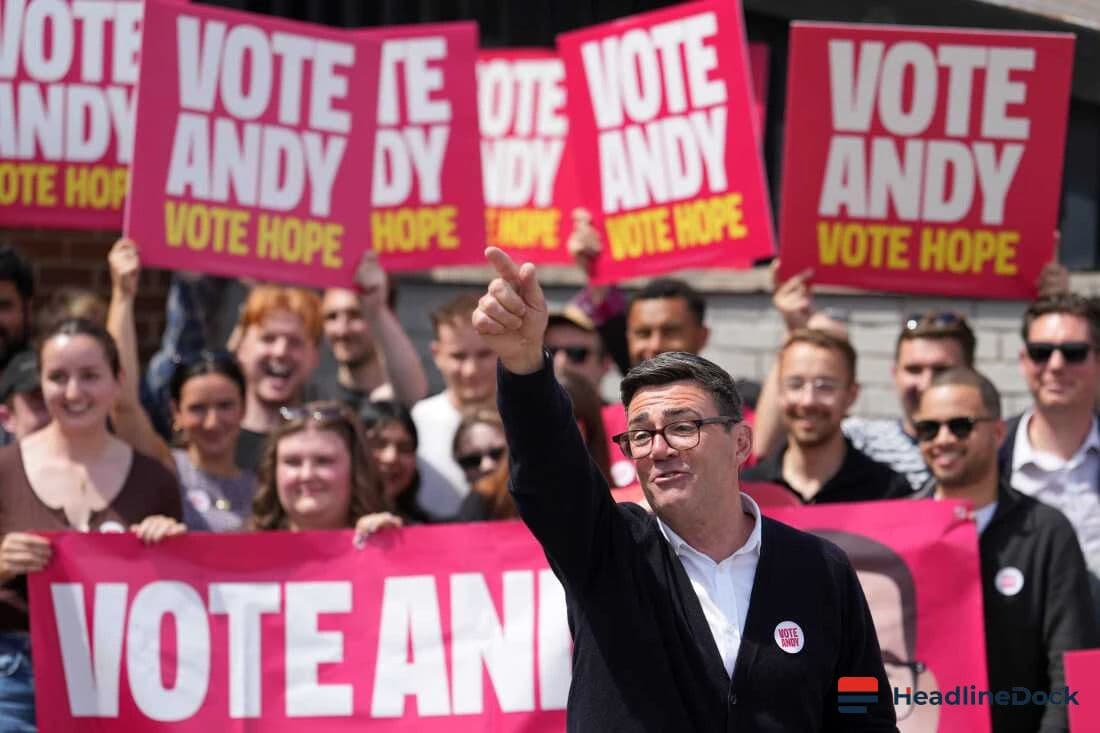
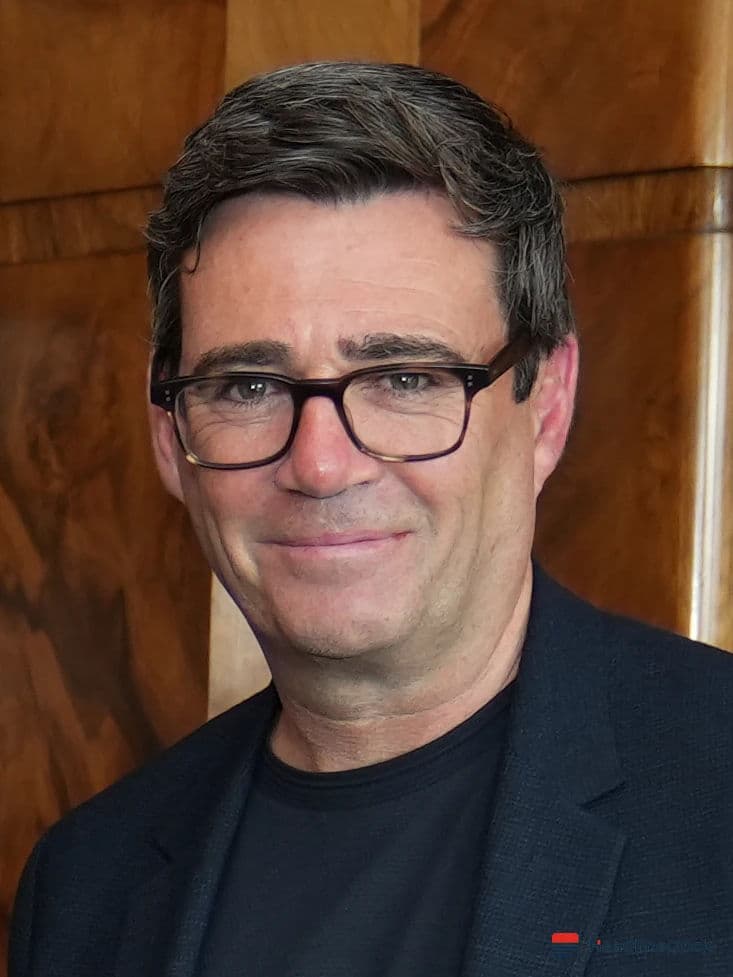
The return of Andy Burnham to the UK parliament following his decisive victory in the Makerfield byelection is more than just a notable political homecoming. It signals a significant shift in the landscape of British politics, potentially establishing a new precedent for how national leadership might be achieved in the future. By securing 55% of the vote, Burnham has underscored the growing influence of regional power brokers.
The Evolution of British Political Trajectories
Traditionally, political success in the UK has required a linear ascent through the Westminster system, moving from parliamentary seats to ministerial roles. However, Burnham opted for a different path. After serving as the Member of Parliament for Leigh and holding various cabinet positions under Gordon Brown, his career seemed to reach a plateau after unsuccessful leadership bids in 2010 and 2015. His move to become the Greater Manchester mayor in 2017 provided him with a unique platform.
During his tenure as mayor, Burnham gained tangible executive authority over essential services like housing, transport, and regional planning. His profile reached national prominence, particularly during his high-profile disagreements with the government of Boris Johnson regarding COVID-19 lockdown measures. This experience allowed him to cultivate a reputation as a champion of regional autonomy, distinct from the traditional parliamentary power structures.
A New Blueprint for National Leadership?
The success of Burnham raises an important question regarding whether England's metro mayors could become a viable alternative route to national leadership. In many international examples, such as France, Italy, and Mexico, serving as a municipal or city-regional leader is a common and accepted pathway to the highest offices in the land. This contrasts with the historical British tendency to concentrate nearly all authority within national institutions.
While Boris Johnson utilized his time as the Mayor of London to move toward the premiership, his path still relied heavily on traditional parliamentary roles. Conversely, Burnham has utilized his experience governing Greater Manchester to reinvent his political standing. His success in building coalitions across diverse stakeholder groups—including business leaders and local councils—highlights a set of skills that are increasingly relevant in modern governance.
Whether this momentum will lead Burnham to the top of his party remains uncertain. Nevertheless, his political trajectory suggests that the devolution experiment has matured. City-regional leadership is rapidly evolving from a local administrative role into a significant base of political authority. For future generations of ambitious politicians, this development may mean that the most effective route to Westminster now runs directly through the governance of the nation's key urban regions.