West Asia Trade Rebounds in May Following US-Iran Conflict Resolution Efforts
West Asia trade has shown a significant recovery in May after initial declines caused by the US-Iran conflict. Commerce Secretary Rajesh Agrawal noted that exports have largely returned to previous levels as a new peace agreement promises to stabilize maritime routes.

Highlights
- •West Asia trade volumes in May have rebounded to levels nearly matching the previous year following initial conflict-related disruptions.
- •Strategic utilization of Omani ports, including Duqm, Sohar, and Salalah, has helped Indian exporters maintain critical supply chain access.
- •A peace agreement between the US and Iran is expected to be signed on June 19 in Switzerland to conclude their 107-day conflict.
- •The reopening of the Strait of Hormuz remains a vital factor for stabilizing logistics and trade for key sectors like energy and engineering.
Following initial disruptions stemming from the US-Iran conflict, West Asia trade data for May indicates a notable rebound. Although commerce with the region experienced a downturn earlier this year, recent figures suggest a stabilization in export volumes as supply chains demonstrate resilience.
According to Commerce Secretary Rajesh Agrawal, while export performance to the region declined in March due to geopolitical tensions, conditions improved throughout April and May. By May, trade levels had largely recovered, aligning closely with the metrics recorded during the same period in 2025. Despite broader market challenges, Indian exporters have maintained consistent engagement within the region, partly by leveraging strategic ports in Oman, specifically Duqm, Sohar, and Salalah, to ensure continued access to key markets.
Analysis of Trade Recovery and Regional Performance
Detailed data reveals that India’s merchandise exports to West Asia stood at $5.30 billion in May, a slight shift from the $5.38 billion recorded in May 2025. Several nations showed strong growth in this period, with Jordan leading at 211 percent and Syria at 209 percent. Additionally, major partners such as Saudi Arabia saw an 11 percent increase, while the UAE recorded growth of 3.2 percent. Imports from the region also shifted, dropping 17.38 percent to $10.7 billion in May, compared to $13 billion in the previous year.
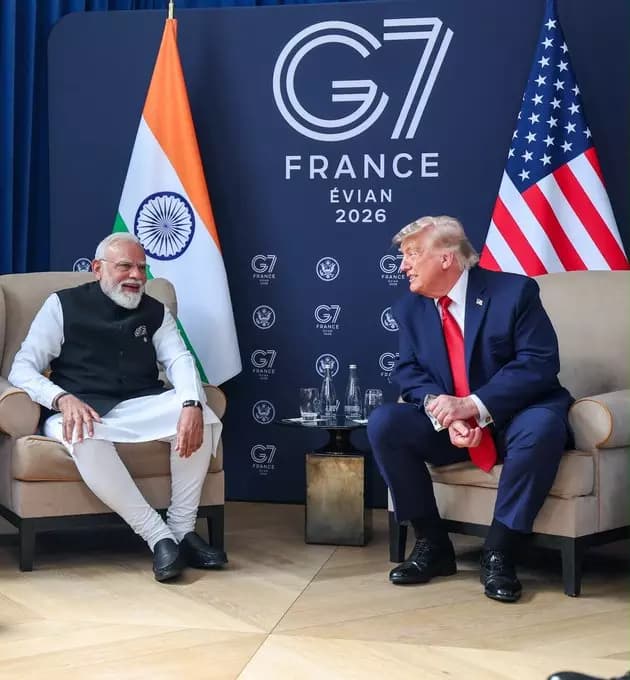
The geopolitical landscape surrounding these trade fluctuations involves the recent announcement by US President Donald Trump regarding a finalized peace deal between the US and Iran. This agreement aims to conclude a 107-day conflict that contributed to a global energy crisis and significant maritime disruptions. The peace treaty is slated for signing on June 19 in Switzerland, a development expected to stabilize logistics across critical routes.
Impact of Strait of Hormuz Stability
A primary concern for regional commerce has been the security of the Strait of Hormuz. This 33-km wide waterway serves as a vital artery for shipments connecting India to nations including the UAE, Oman, Iran, Bahrain, and Saudi Arabia. Restrictions imposed following a joint operation by the US and Israel in February severely hampered cargo movement, causing export and import declines exceeding 50 percent in March and over 28 percent in April.
Looking ahead, the restoration of normal shipping lanes is viewed as essential for sustained West Asia trade. The government remains hopeful that the peace agreement will provide the necessary stability to protect these supply chains. Sectors previously impacted, including gems, jewelry, engineering components, electronics, petroleum, and rice, are expected to benefit significantly from the reopening of these essential maritime trading channels.