India Strategically Poised for Favorable US-India Trade Deal Opportunities
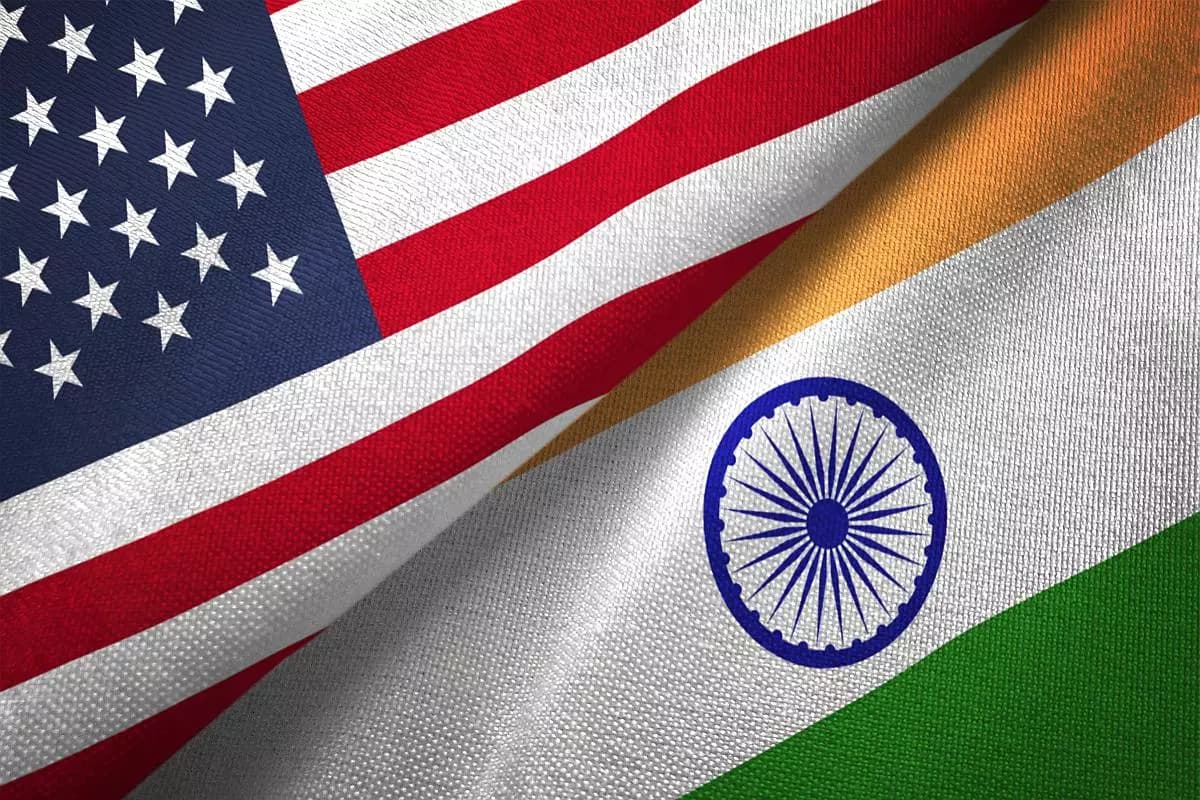
With diplomatic relations warming following the G-7 summit, India is strategically positioned to negotiate a beneficial trade agreement with the United States. Diversified global partnerships and changing geopolitical realities have provided New Delhi with the leverage needed to address long-standing economic disputes.
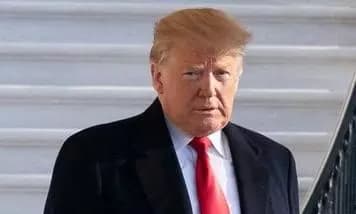
Highlights
- •Prime Minister Modi and President Trump’s recent interactions suggest a thaw in bilateral relations.
- •India is now better positioned to negotiate a trade deal due to its diversified global trade strategy.
- •The US shift in focus following West Asian geopolitical challenges has created new diplomatic space.
- •There is growing optimism regarding the resolution of long-standing tariff and trade policy differences.
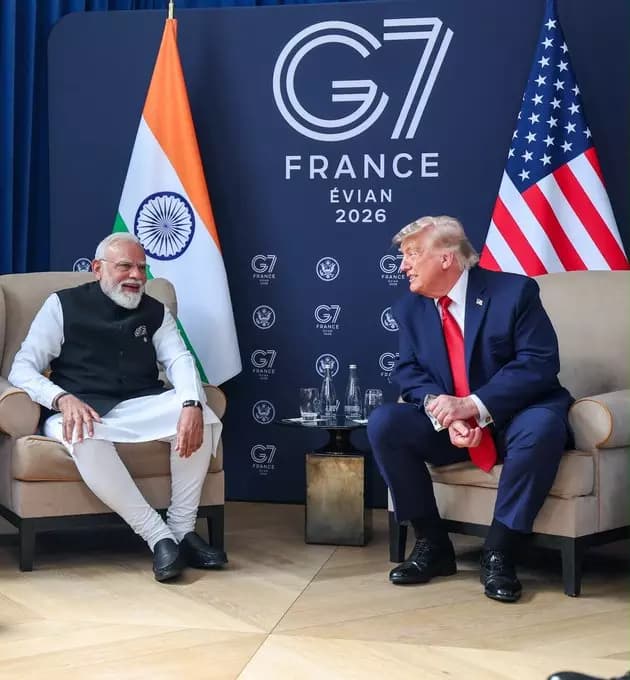
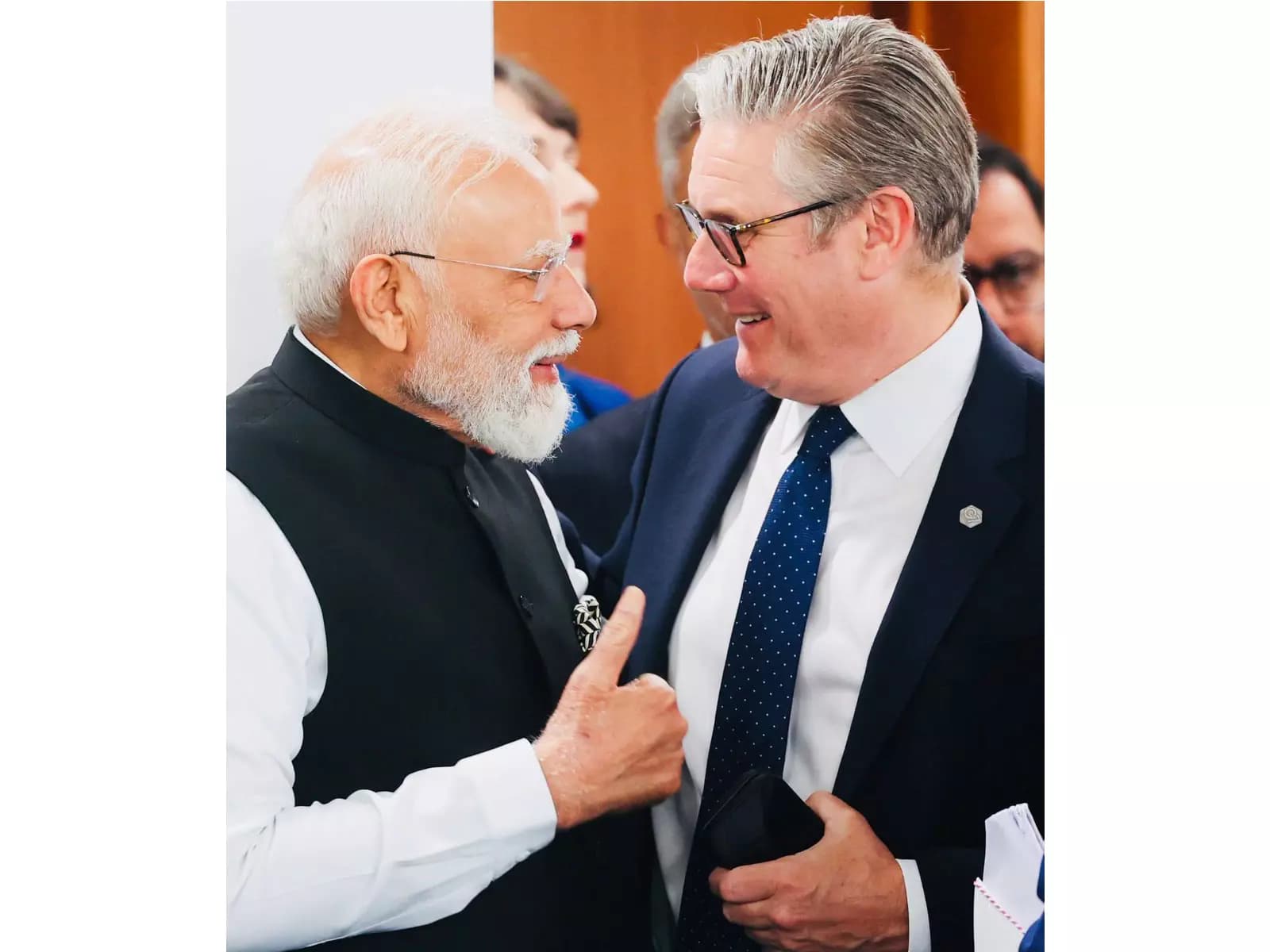
Recent diplomatic developments suggest that it may be an opportune moment for India to secure a favorable US-India trade deal. Following the recent G-7 summit, where global leaders engaged with US President Donald Trump, there is a palpable shift in the bilateral dynamics between Washington and New Delhi.
Historically, the relationship has faced hurdles, including trade disputes and disagreements over energy procurement. However, as the United States navigates the aftermath of its involvement in West Asian conflicts—specifically concerning Iran—the geopolitical landscape has evolved. Prime Minister Narendra Modi has demonstrated a pragmatic approach, navigating these high-level interactions with significant political agility.
Shifting Geopolitical Dynamics and Economic Opportunities
The recent summit highlighted how India has managed to maintain a prominent position on the global stage. Even when addressing sensitive issues such as the safety of seafarers, Prime Minister Modi has engaged directly with President Trump. Such interactions reflect a newfound confidence in India's independent foreign policy, which has matured significantly during periods of previous trade tensions.
The US administration's recent shift in tone toward India is notable. After a period where President Trump appeared to favor Pakistan as a primary regional partner, the pendulum has clearly swung back. The possibility of resolving long-standing trade grievances, including those related to the purchase of crude oil and various tariff structures, now appears more tangible than ever.
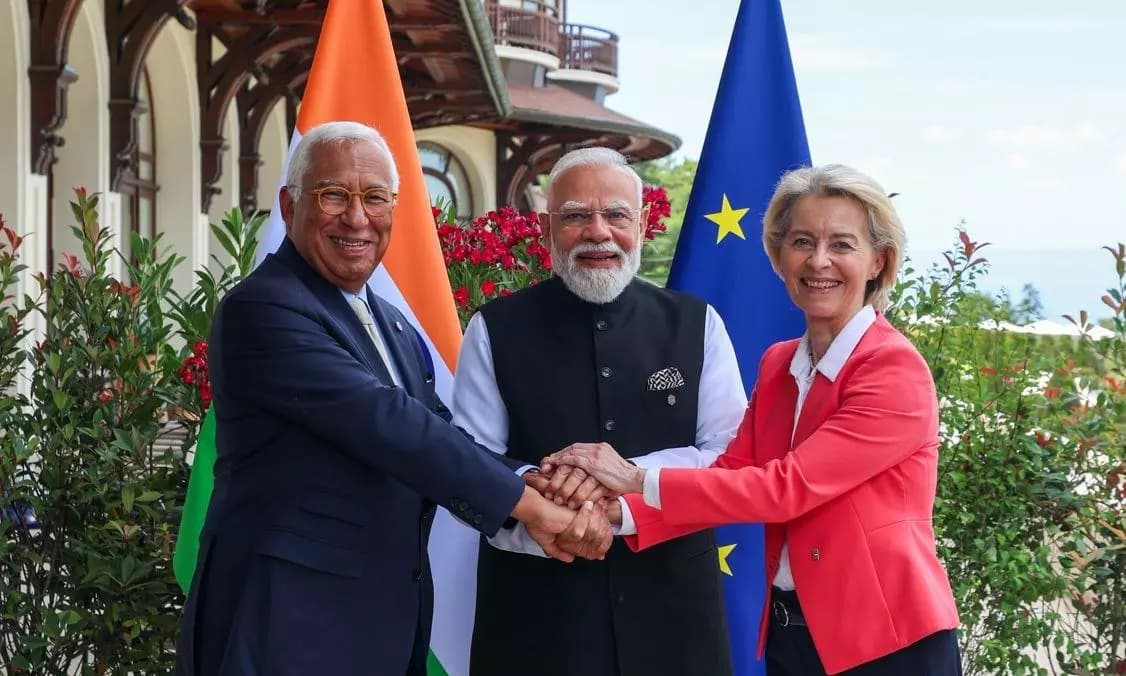
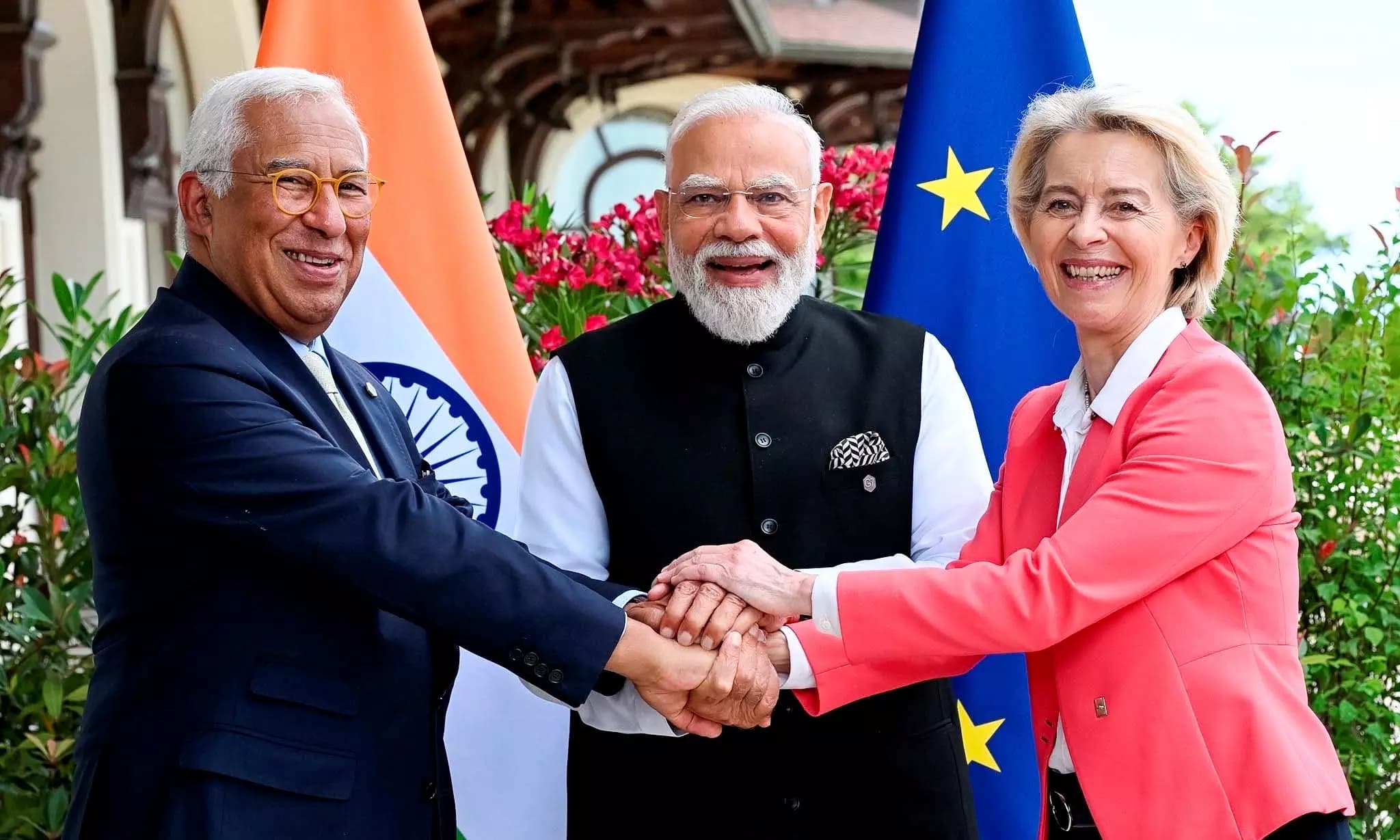
Furthermore, India's successful diversification of its trade partnerships over recent years has bolstered its bargaining power. By building robust economic ties with a diverse array of nations, India has reduced its singular reliance on the United States, providing it with the necessary leverage to approach a potential US-India trade deal with a stronger hand. The current atmosphere offers a unique opening to resolve outstanding economic differences without compromising national interests.
As the international community watches these developments, the focus remains on whether both nations can capitalize on this improved bilateral rapport. Establishing a mutually beneficial trade agreement would not only serve the economic interests of both countries but also solidify a more stable strategic partnership in a complex global environment. The priority now is for policymakers to seize this momentum to finalize a framework that supports sustainable growth and long-term cooperation between the two largest democracies.