India-UK Free Trade Agreement Set to Transform Bilateral Economic and Strategic Ties
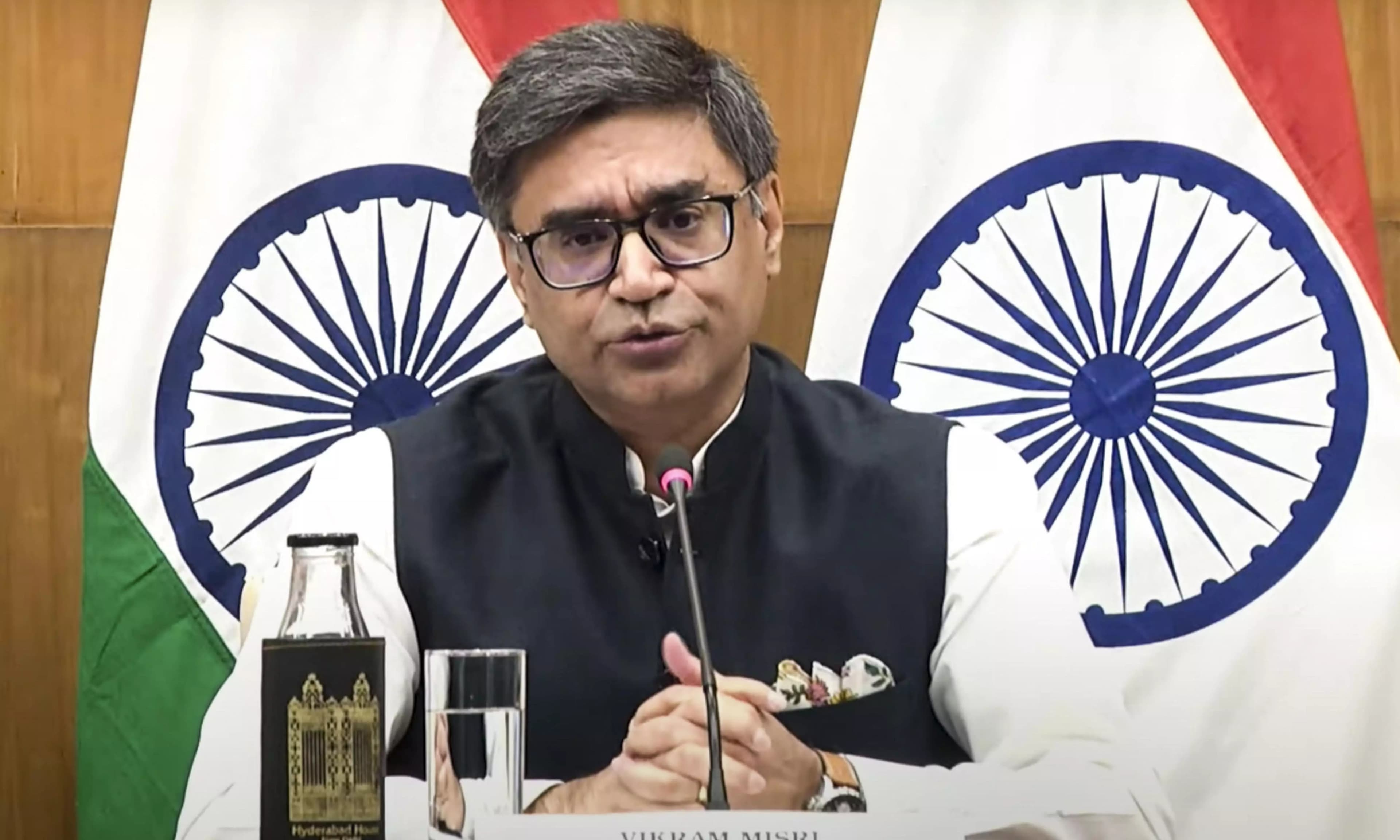
Foreign Secretary Vikram Misri announced that the India-UK Comprehensive Economic and Trade Partnership (CETA) will take effect on July 15. The agreement aims to boost annual bilateral trade beyond 48 billion pounds while strengthening strategic ties in technology, security, and mobility between the two nations.
Highlights
- •The India-UK CETA agreement is officially scheduled to enter into force on July 15.
- •The agreement aims to expand beyond trade, impacting technology and citizen mobility.
- •Bilateral trade between India and the UK is expected to grow from its 48 billion pound base.
- •India and the EU have reaffirmed their commitment to finalizing a separate FTA by year-end.
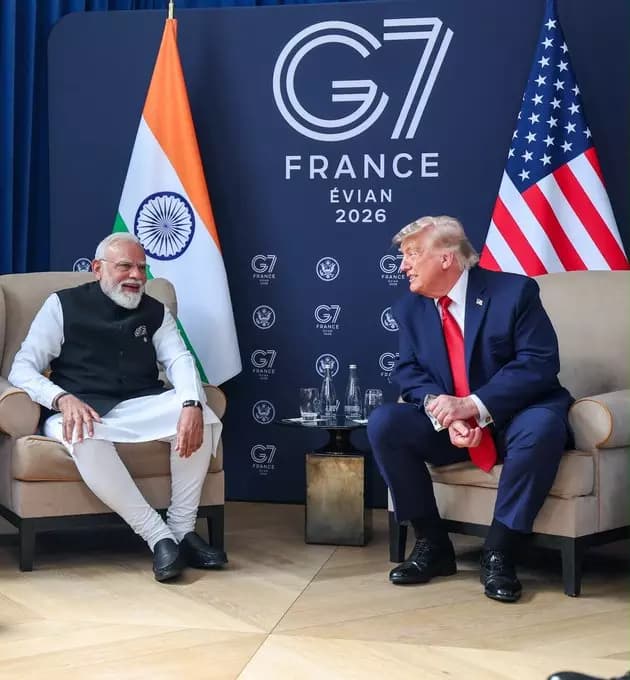
The India-UK Free Trade Agreement is set to become a transformative milestone in bilateral relations, extending well beyond simple commercial exchanges. According to Foreign Secretary Vikram Misri, the agreement serves as a key pillar for deepening ties in technology, regional stability, and international security. These developments were central to discussions held during Prime Minister Narendra Modi's recent diplomatic engagements on the sidelines of the G7 Summit in Evian.
Strengthening Strategic Ties and Economic Growth
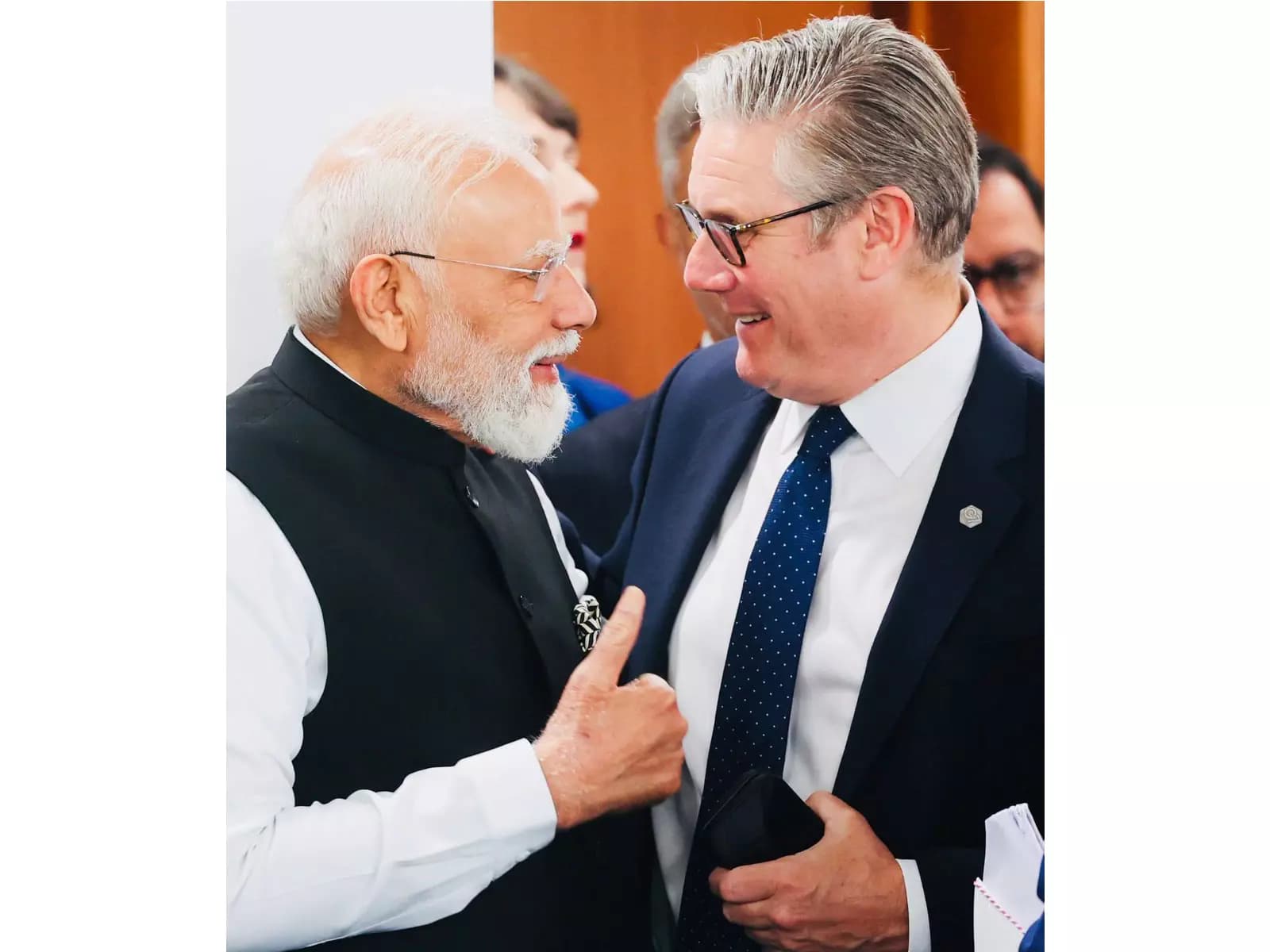
During a high-level meeting with British Prime Minister Keir Starmer, both leaders confirmed that the Comprehensive Economic and Trade Partnership (CETA) will officially enter into force on July 15. This agreement is expected to significantly boost the current annual bilateral trade, which is estimated at 48 billion pounds. The implementation of this deal is viewed as a vital step in enhancing collaboration between two of the world's most prominent economies, opening new pathways for businesses and citizens alike.
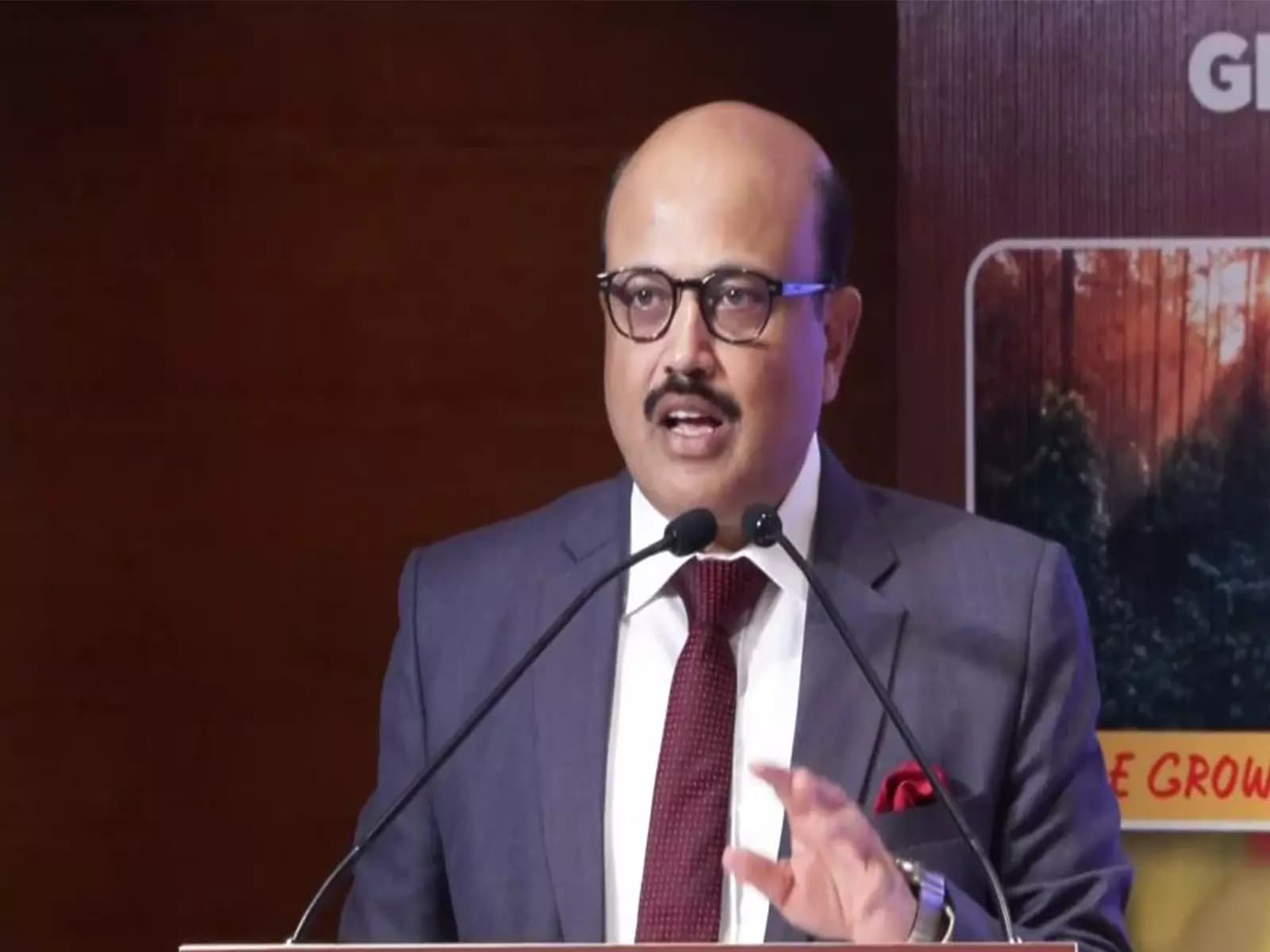
Vikram Misri emphasized that the scope of this partnership is not limited to trade and technology. He noted that the agreement also addresses mobility between the two nations, which is expected to foster greater human-to-human connectivity. Businesses in both countries have been actively preparing for this rollout, eager to leverage the new opportunities for expansion and growth that the India-UK Free Trade Agreement will facilitate in the coming months.
Broadening Global Collaboration
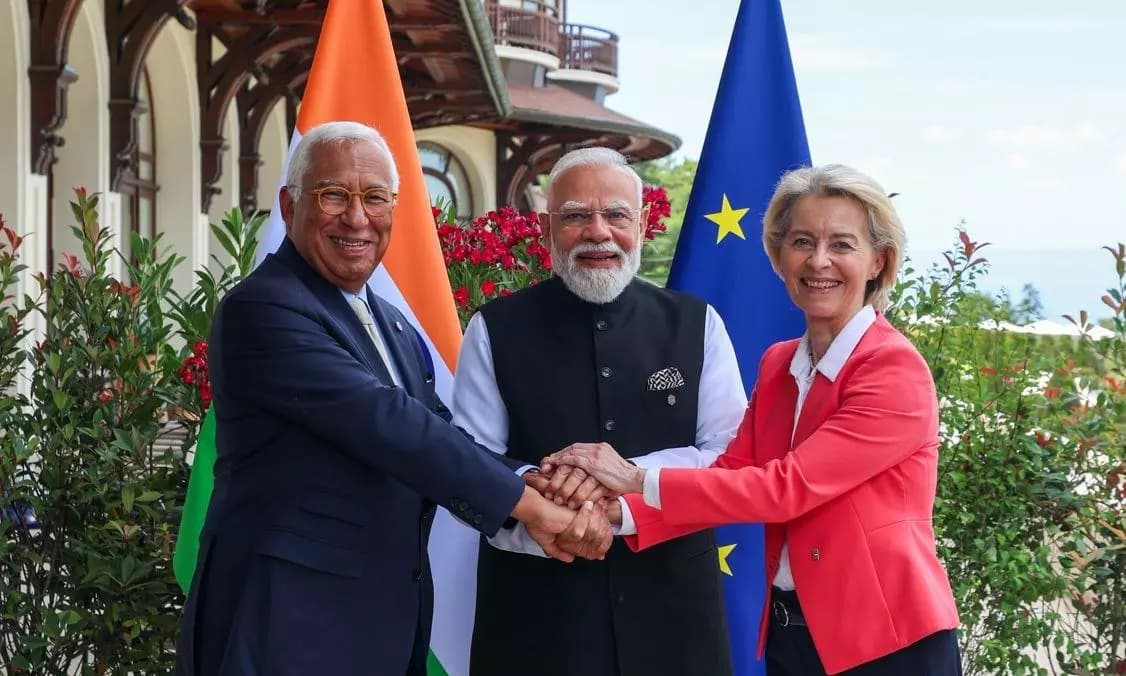
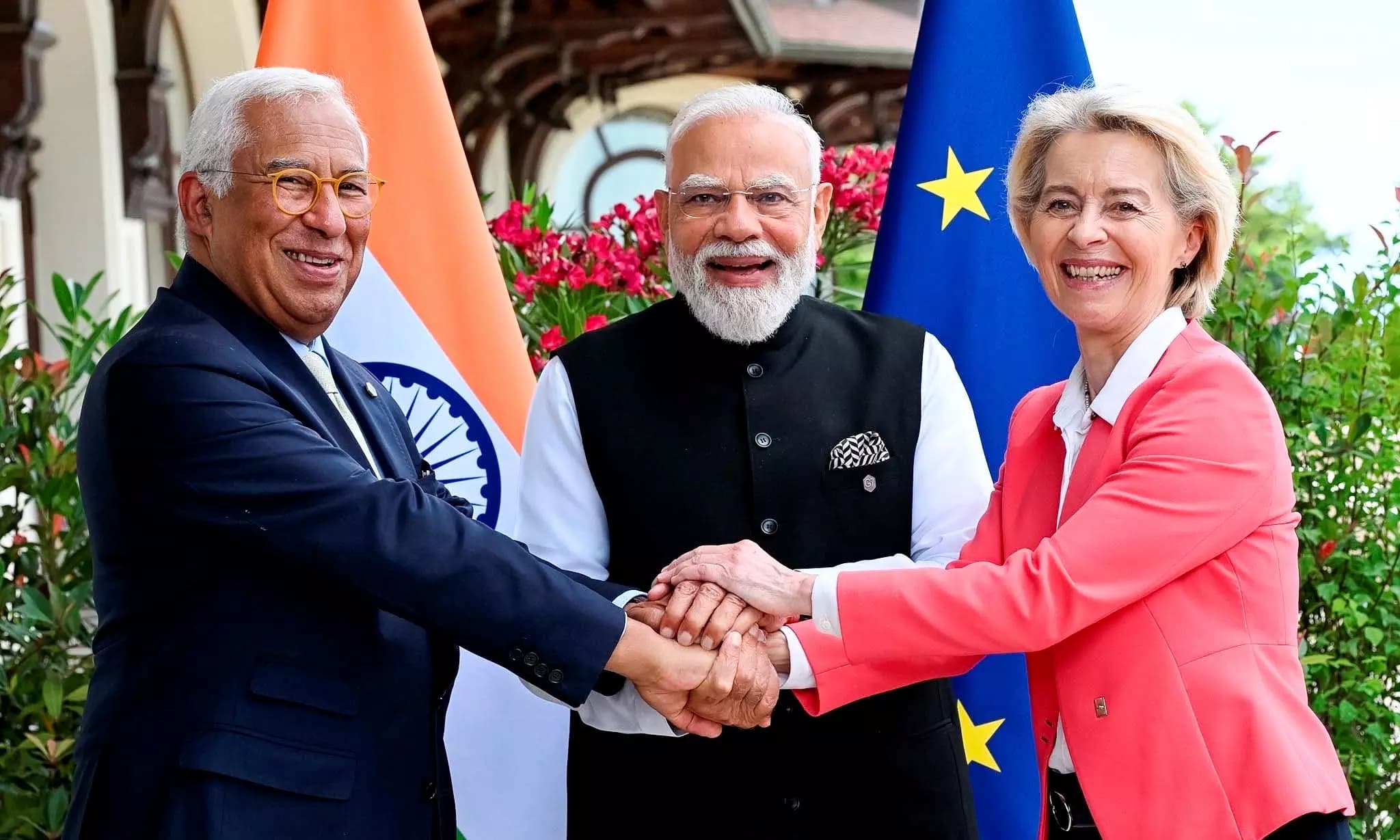
In addition to the progress made with the United Kingdom, diplomatic efforts regarding an India-EU free trade pact also saw positive movement during the same visit. Prime Minister Modi held joint discussions with European Commission President Ursula von der Leyen and European Council President Antonio Costa. Both sides reaffirmed their commitment to finalizing the negotiations before the end of the year.
Furthermore, the visit highlighted the enduring strength of the Indo-French partnership. Described as one of the most robust bilateral relationships globally, the collaboration spans critical sectors such as defence, nuclear energy, and space exploration. The alignment of interests on regional and global issues further solidifies this bond. With France established as a resident power in the Indo-Pacific, the potential for continued cooperation between India and France remains exceptionally high, paving the way for a rich vein of future possibilities in international strategic alignment. As the Prime Minister concluded his visit to Paris, the strong rapport between the two nations was underscored by a warm message from French President Emmanuel Macron.