India and European Union Aim to Sign Free Trade Agreement by Year-End
Prime Minister Narendra Modi and EU leaders have committed to finalizing the India-EU Free Trade Agreement by the end of 2026. The move aims to boost trade, diversify supply chains, and deepen strategic cooperation in defense and global connectivity initiatives.
Highlights
- •India and the EU aim to sign a Free Trade Agreement by the end of 2026.
- •The agreement is expected to diversify supply chains and boost investment opportunities.
- •India and Germany signed a Defence Industrial Cooperation Roadmap to strengthen security ties.
- •Leaders prioritized the development of the India-Middle East-Europe Corridor for improved connectivity.
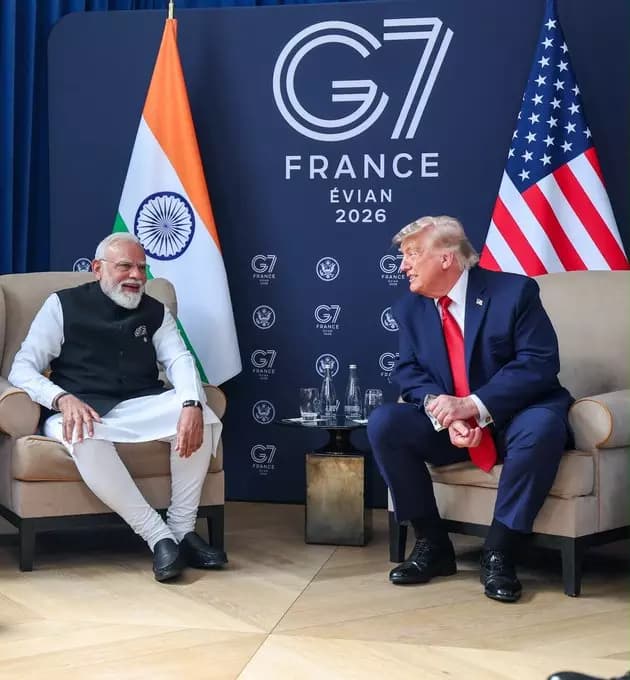
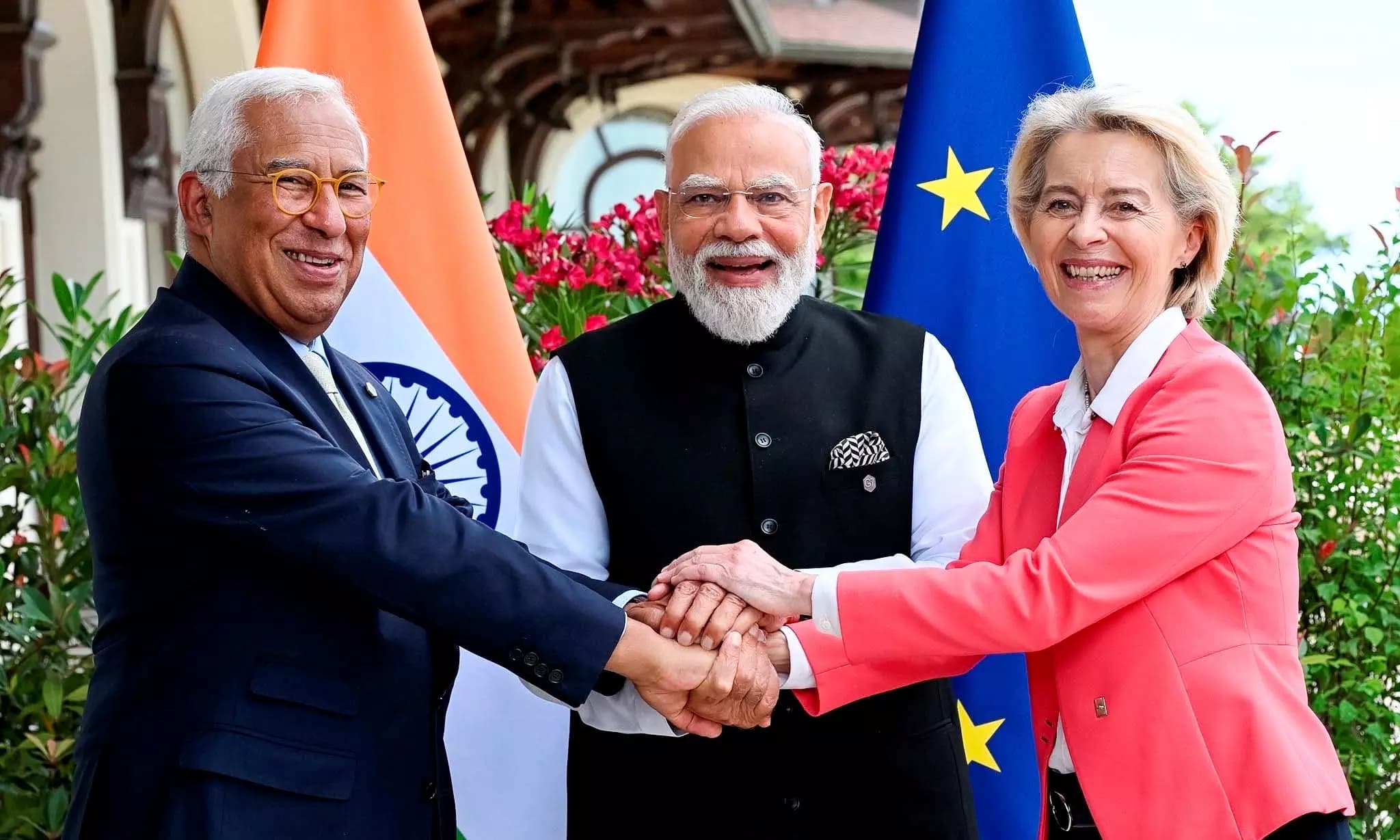
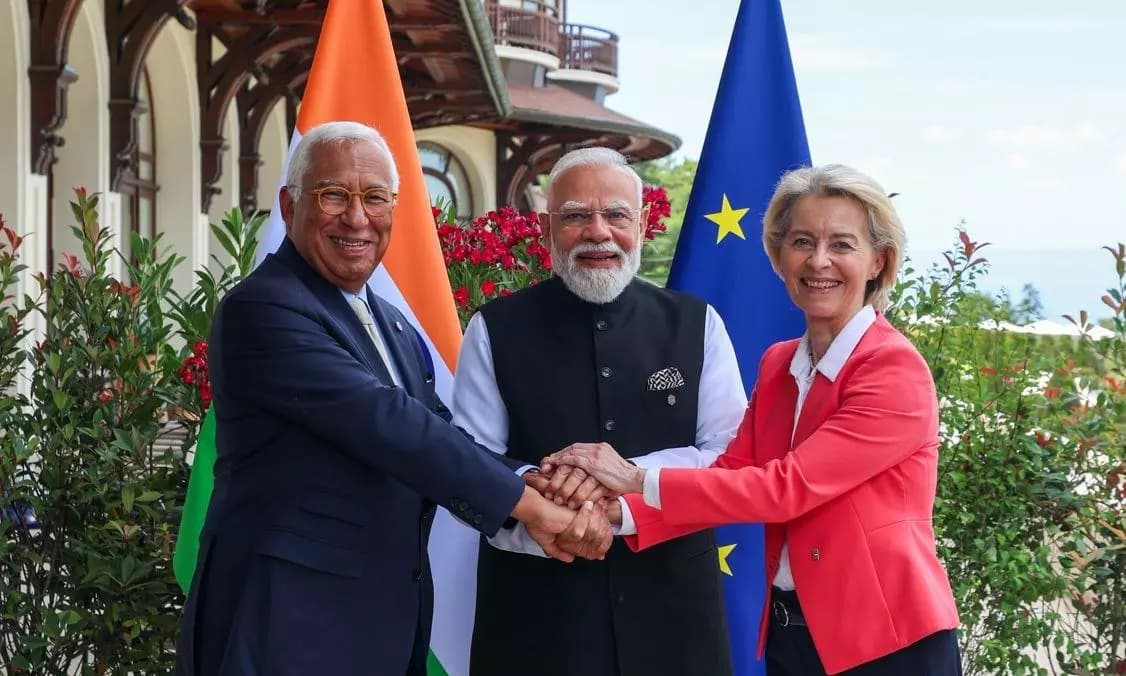
Leaders from India and the European Union have reached a significant milestone, committing to finalize the India-EU Free Trade Agreement by the close of 2026. This development emerged following a high-level meeting on the sidelines of the G7 Summit held in Evian, where Prime Minister Narendra Modi engaged in discussions with European Commission President Ursula von der Leyen and European Council President António Costa.
Strengthening Strategic and Economic Ties
The proposed India-EU Free Trade Agreement is being hailed as a historic breakthrough that aims to significantly enhance bilateral trade volumes and investment opportunities. Both parties emphasized that the expeditious signing and implementation of this deal will prove vital in diversifying supply chains, particularly amid the current global geopolitical uncertainties. The European Commission leadership highlighted that the momentum generated since the 16th India-EU Summit in January 2026 has been instrumental in fast-tracking these negotiations.
Beyond trade, the discussions encompassed broad cooperation in security and defense. The leadership teams expressed a mutual intent to accelerate progress on an investment framework while fostering deeper ties in defense technology. Furthermore, the participants reviewed ongoing infrastructure projects, specifically identifying the India-Middle East-Europe Corridor (IMEC) as a primary vehicle for enhancing international connectivity and strategic integration.
Enhanced Cooperation with Germany
In addition to broader European Union engagements, Prime Minister Narendra Modi held a productive bilateral meeting with German Chancellor Friedrich Merz. As the two nations commemorate 75 years of diplomatic relations in 2026, the leaders reaffirmed their dedication to strengthening the India-Germany Strategic Partnership. This includes expanded cooperation in sectors such as sustainable development, technological innovation, education, and professional mobility.
A key outcome of the dialogue with Germany was the formalization of the Defence Industrial Cooperation Roadmap, which is expected to bolster joint security efforts. Additionally, both sides celebrated the implementation of a transit visa waiver for Indian citizens passing through German airports, reflecting a commitment to easing mobility. The leaders also addressed urgent global concerns, including the situation in West Asia and the ongoing conflict involving Russia and Ukraine, expressing collective support for regional stability initiatives.
The meeting served as an invitation for Prime Minister Narendra Modi to attend the eighth India-Germany Inter-Governmental Consultations in Germany later this year. This series of diplomatic engagements underscores a robust, forward-looking agenda aimed at delivering transformative outcomes for both the Indian and European economies while addressing complex global challenges through coordinated policy efforts.