India and European Union to Finalize Historic Free Trade Agreement by 2026
India and the European Union have pledged to sign a landmark free trade agreement by the end of 2026. The deal, discussed by Prime Minister Narendra Modi and EU leaders, aims to reduce tariffs and strengthen economic, security, and defense cooperation between the two regions.
Highlights
- •India and the EU have committed to signing a comprehensive free trade agreement by the end of 2026.
- •The deal is expected to reduce tariffs on 99% of Indian exports to the EU and over 97% of EU exports to India.
- •Leaders emphasized the strategic importance of the agreement for diversifying global supply chains and boosting economic growth.
- •The partnership also includes expanded cooperation in defense, security, and the development of the India–Middle East–Europe Corridor.
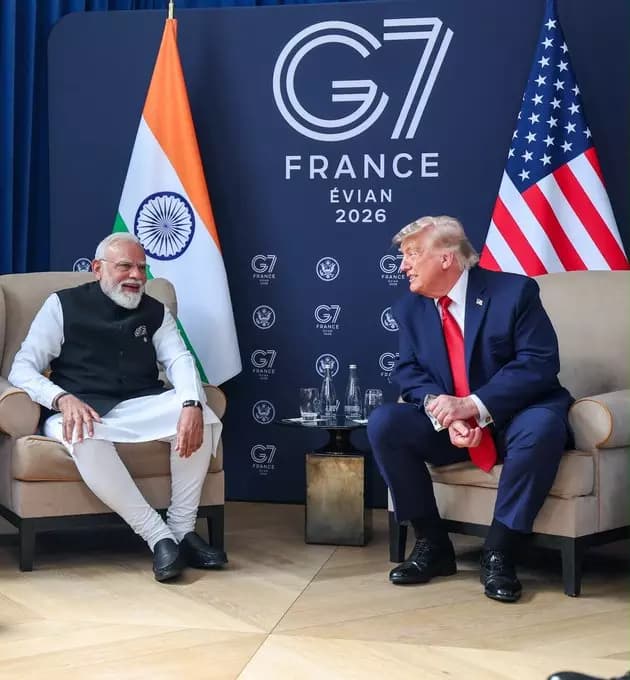
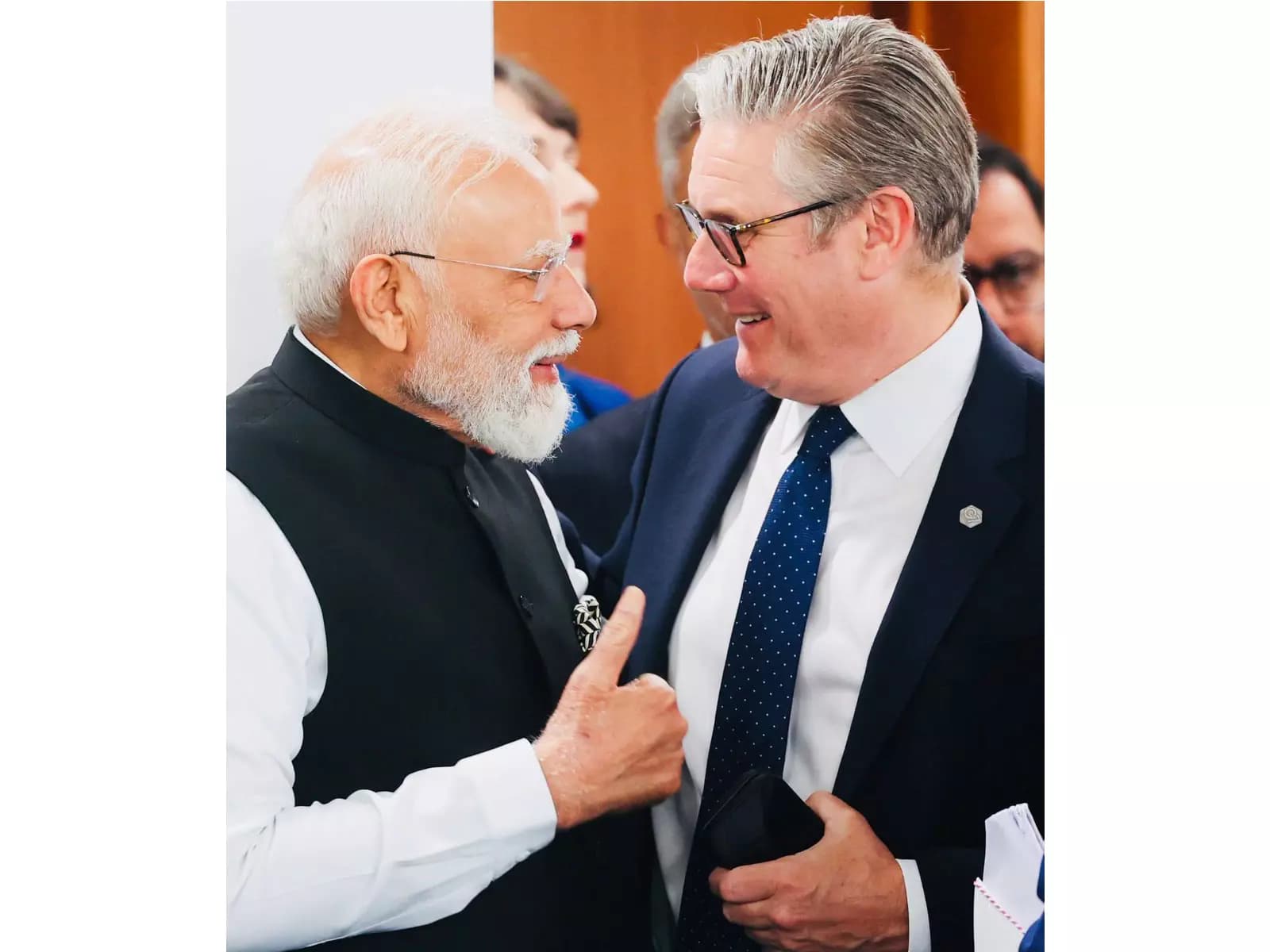
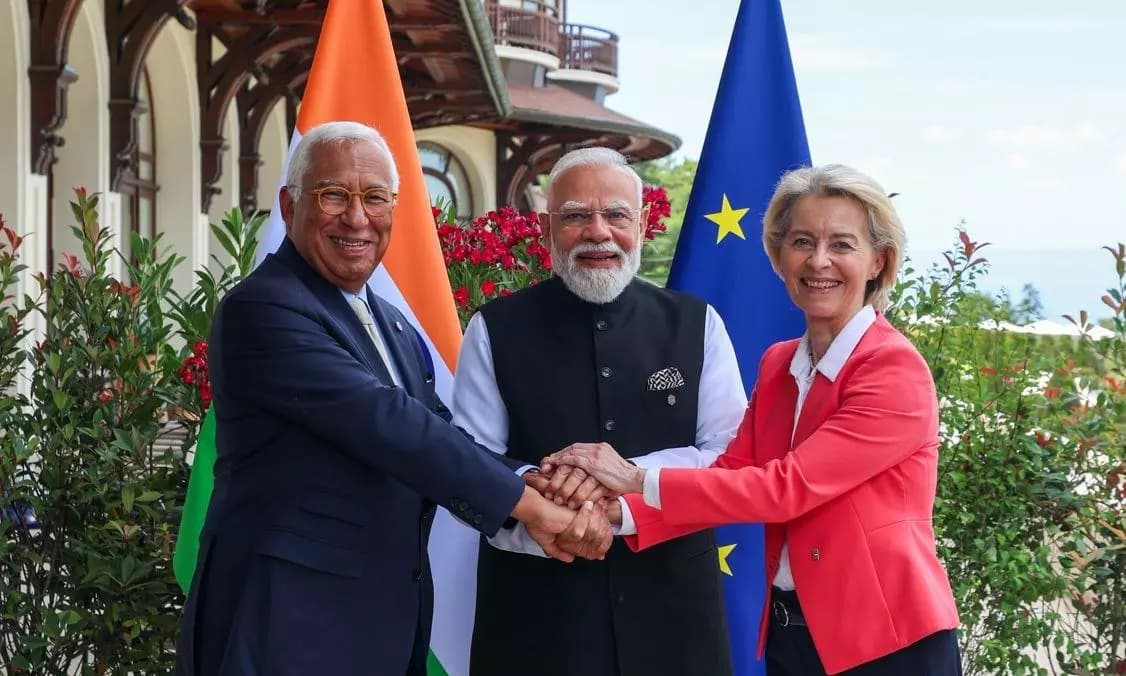
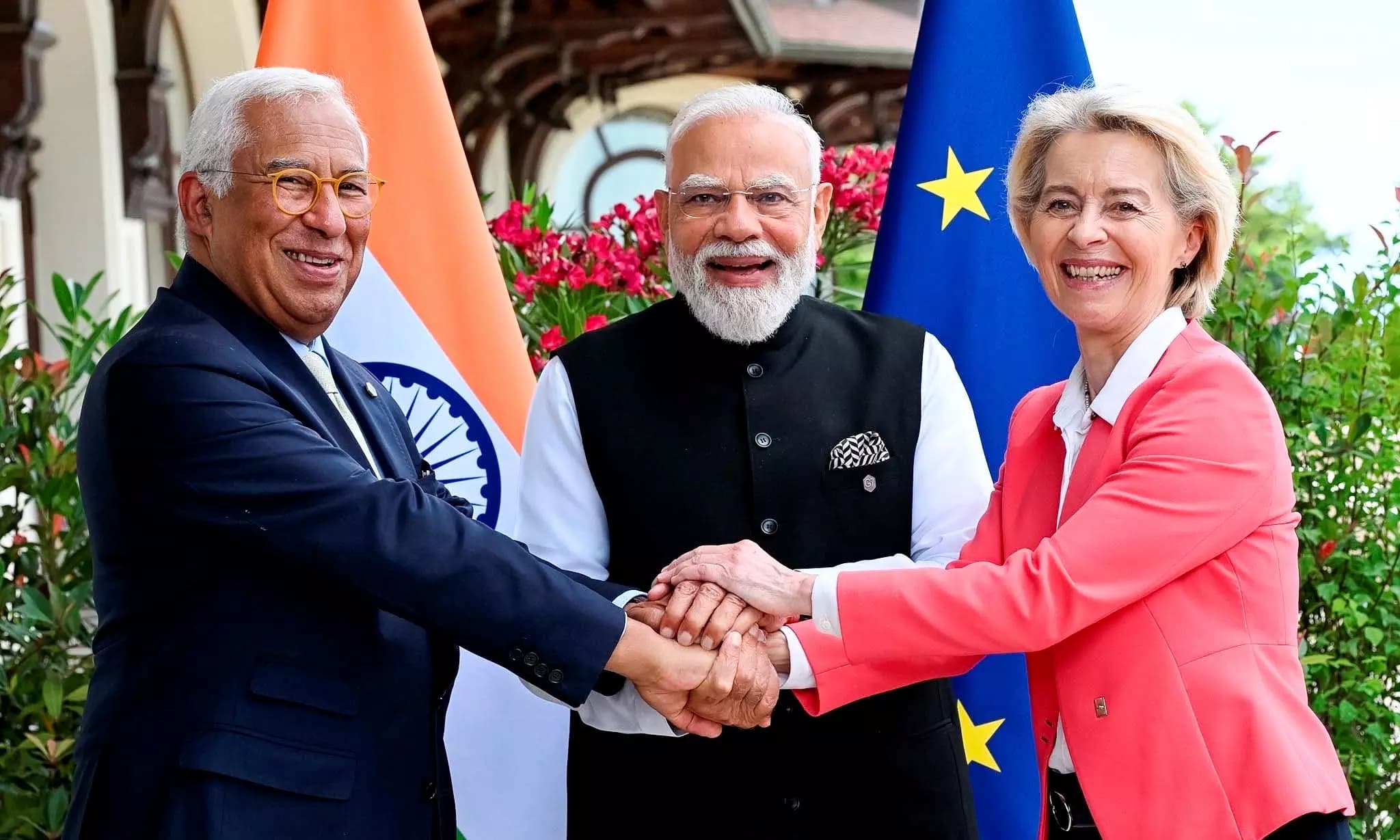
India and the European Union (EU) have reaffirmed their commitment to finalize a historic free trade agreement by the conclusion of 2026. This significant announcement was made by the President of the EU Commission, Ursula von der Leyen, following constructive deliberations with Prime Minister Narendra Modi. The meeting took place on the sidelines of the recent G7 summit held in Evian-Les-Bains, France, where both leaders focused on strengthening bilateral economic ties amid a complex and shifting global geopolitical landscape.
The proposed free trade agreement is widely regarded as a transformative deal that promises to unlock extensive opportunities for both commerce and investment. By facilitating the diversification of supply chains, the agreement aims to bolster economic resilience. Prime Minister Modi and EU officials, including the President of the European Council, Antonio Costa, underscored the urgent necessity of signing and implementing this pact to foster greater stability and prosperity.
Economic Impact and Strategic Cooperation
Once enacted, this comprehensive free trade agreement is projected to influence nearly one-quarter of the global GDP. Official projections indicate that the deal will eliminate tariffs on 99 percent of Indian exports to the European Union and significantly reduce duties on over 97 percent of EU exports to India. These adjustments are expected to save European exporters approximately four billion euros in annual tariffs, marking a major milestone in economic integration between the two powers.
Beyond trade, the leadership from both sides resolved to intensify cooperation in the sectors of security and defense. The discussions also highlighted progress regarding the India–Middle East–Europe Corridor (IMEC), which serves as a critical project for enhancing connectivity. Ursula von der Leyen emphasized the commitment to advancing this strategic infrastructure, alongside accelerating parallel work on a separate investment agreement to further deepen these economic linkages.
The Ministry of External Affairs (MEA) highlighted that for the financial year 2024-25, the total trade in goods between India and the EU reached approximately USD 136 billion. With India exporting USD 76 billion and importing USD 60 billion, the European Union remains one of the largest trading partners for the nation. The ongoing collaboration is rooted in shared democratic values, open market systems, and a mutual vision for a resilient, multipolar global order. Furthermore, the leaders reviewed the progress of the joint India-EU Comprehensive Strategic Agenda, which was endorsed earlier this year, ensuring that the partnership continues to deliver transformative outcomes for both regions.