West Asia Peace Deal: Can the US Successfully Rein In Israel?
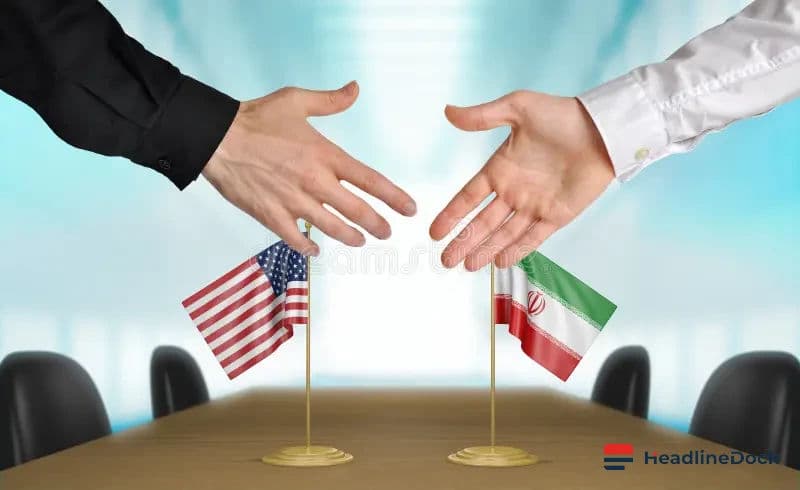
A potential West Asia peace deal between the US and Iran offers hope for regional stability and the reopening of the Strait of Hormuz. Success hinges on ensuring all parties, including Israel, commit to a permanent cessation of military hostilities.
Highlights
- •A preliminary agreement between the US and Iran aims to de-escalate the West Asia conflict.
- •Successful implementation could reopen the Strait of Hormuz for global oil and gas shipping.
- •The US may release $12 billion in frozen Iranian assets to facilitate a permanent peace.
- •Diplomatic efforts are focused on ensuring regional actors, including Israel, adhere to the ceasefire terms.
The potential for a West Asia peace deal marks a significant turning point in global diplomacy. Recent reports indicate that the United States and Iran have reached a preliminary agreement aimed at halting the protracted conflict in the region. While Israel is not currently a direct signatory, there is growing international hope that this development might encourage a cessation of hostilities in Lebanon, offering a long-overdue opportunity to stabilize a region deeply scarred by decades of aggression.
Navigating the Path to Regional Stability
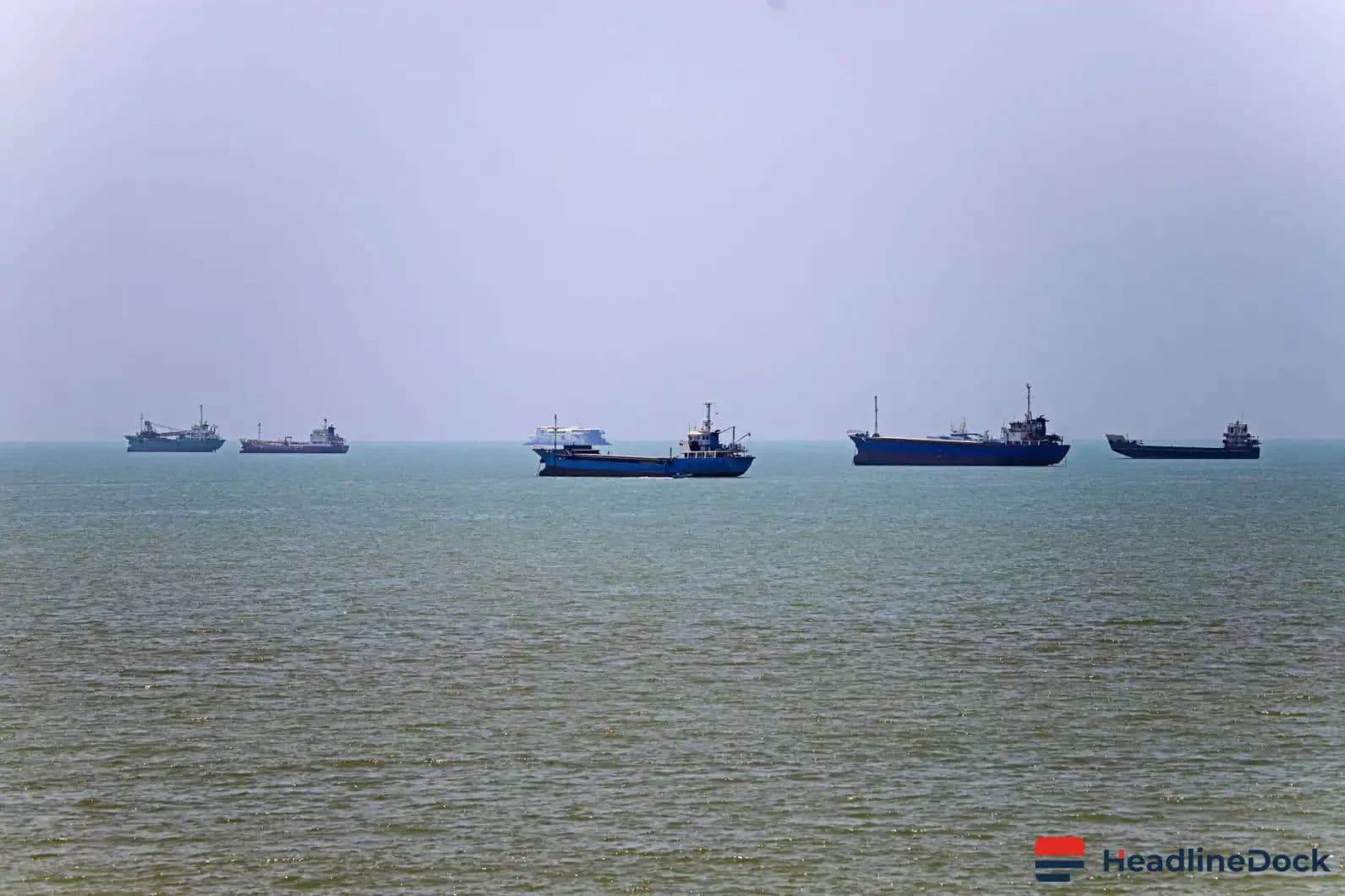
The global community is watching closely, hopeful that this fragile West Asia peace deal will remain intact. A key benefit of this de-escalation is the expectation that the Strait of Hormuz will reopen to free, toll-free shipping, facilitating the vital transport of oil and gas to Asia. Despite this optimism, substantial challenges persist, particularly concerning Iran’s nuclear ambitions, which served as the primary justification for the recent military actions led by the United States and Israel.
Skepticism remains regarding the long-term feasibility of the memorandum of understanding. However, the gradual easing of Western sanctions and the release of withheld Iranian funds could foster a climate conducive to lasting stability. Such progress may also influence militant proxies, including Hezbollah and Hamas, to shift their focus toward more constructive roles within a region long defined by intense religious and political friction.
Geopolitical Implications and Diplomatic Challenges
Observers are particularly focused on the upcoming diplomatic gathering in Geneva. It is anticipated that U.S. President Donald Trump will attend the signing, effectively acknowledging that the recent conflict proved largely unwinnable for all major parties involved. There is a broader lesson here for other leaders, including Russian President Vladimir Putin, that in an era characterized by advanced asymmetrical warfare and long-distance drones, traditional military outcomes are increasingly elusive.
The immediate concern is that provocative actions from Israel—specifically by Prime Minister Benjamin Netanyahu—could destabilize the agreement during the critical 60-day implementation period. The effectiveness of the deal relies heavily on President Trump successfully encouraging Netanyahu to exercise restraint. The potential release of approximately $12 billion in frozen Iranian assets reflects the administration's increasing emphasis on dialogue over continued military intervention.
This development is particularly relevant to India, which experienced the tragic loss of three sailors as collateral damage during the conflict. Like many other nations, India will welcome a permanent end to military operations. Ensuring Israel remains aligned with these diplomatic efforts remains one of the most formidable challenges facing President Trump as he continues these high-stakes negotiations with Iran.