US and Iran Sign Ceasefire Agreement to Resolve Gulf Conflict and Reopen Hormuz
The US and Iran have signed a preliminary ceasefire agreement to extend their truce by 60 days and reopen the Strait of Hormuz. Despite this development, significant challenges remain regarding nuclear policies and the ongoing conflict between Israel and Hezbollah in Lebanon.

Highlights
- •A preliminary US and Iran ceasefire agreement has been signed to extend the current truce by 60 days.
- •The deal aims to reopen the Strait of Hormuz, which has been blockaded since February.
- •Sanctions relief and a $300 billion reconstruction fund are part of the potential benefits for Iran.
- •Significant disagreements remain regarding the conflict between Israel and Hezbollah in Lebanon.
A US and Iran ceasefire agreement has been announced, signaling a potential shift in the ongoing conflict within the Gulf region. US President Donald Trump confirmed that a preliminary memorandum has been signed by both nations, although comprehensive details regarding the provisions remain limited. This development follows a period of intense volatility that has significantly impacted global energy markets.
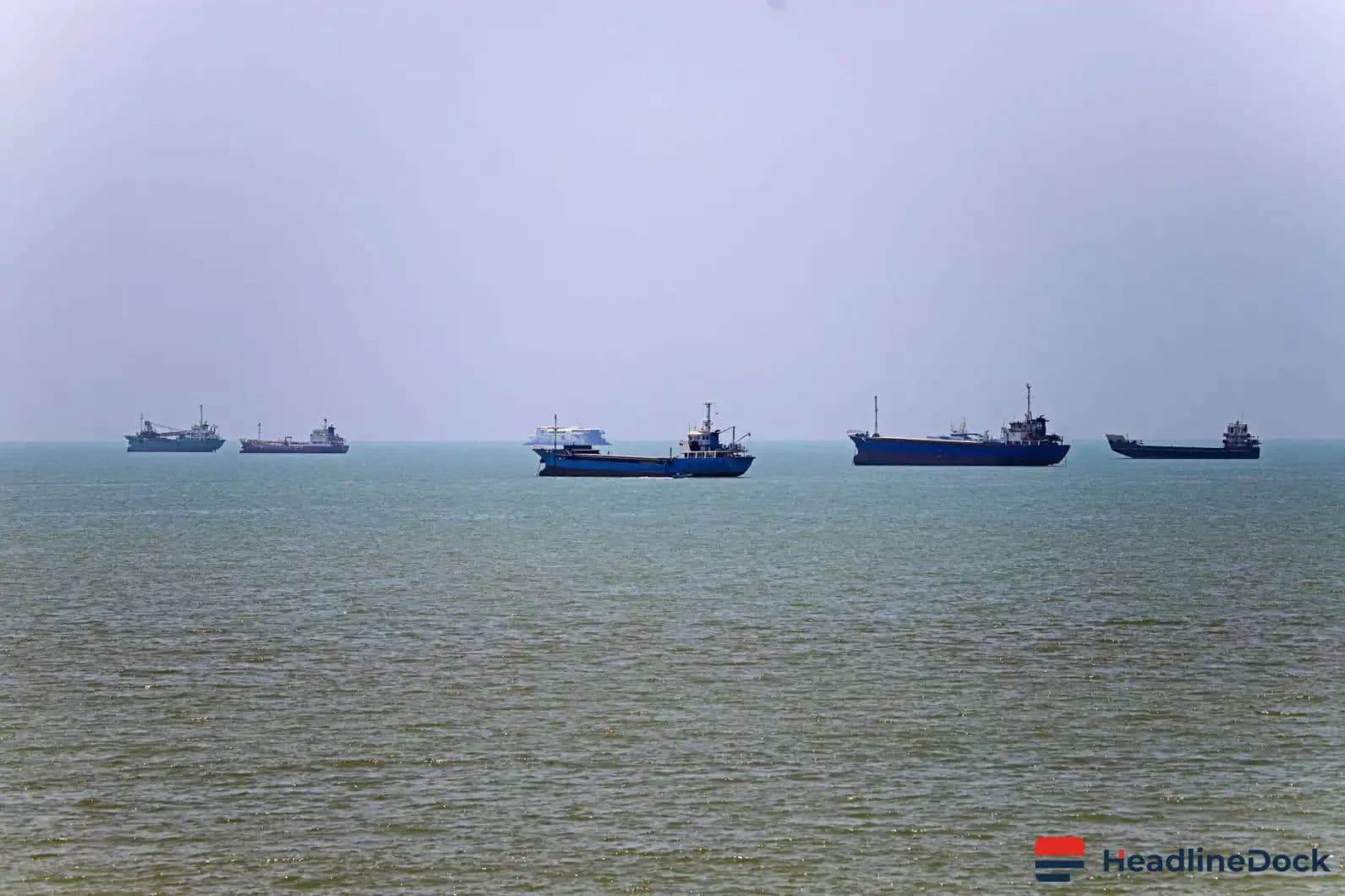
The newly signed memorandum is intended to extend an existing ceasefire, originally announced in April, by an additional 60 days. A primary focus of this arrangement is the reopening of the Strait of Hormuz. This critical waterway, situated between Iran and Oman, has been effectively blockaded since February, disrupting approximately one-fifth of the world’s oil trade. While the agreement facilitates the resumption of transit, the restoration of full shipping operations remains dependent on verified safety assurances.
Details and Diplomatic Implications
Vice President JD Vance, who is scheduled to attend a formal signing ceremony in Geneva, described the document as a general framework, spanning only about a page and a half. Further specifics are expected to be disclosed by US officials in the coming days. The agreement reportedly includes a notable sanctions relief package for Iran. This could potentially lead to the lifting of existing sanctions, the unfreezing of foreign assets, and the establishment of a $300 billion reconstruction fund supported by neighboring Gulf states.
However, achieving these economic benefits is contingent upon strict conditions. US officials have indicated that Iran must commit to never developing a nuclear weapon and must cease its support for regional militias, such as Hezbollah in Lebanon. The future of Iran's nuclear program and the fate of its enriched uranium stockpile remain central points of contention that are expected to be addressed in subsequent diplomatic phases.
Sticking Points and Regional Security
Despite the announcement of a US and Iran ceasefire agreement, the situation remains complex. The ongoing conflict between Israel and Hezbollah has not been fully resolved by this document. While Iran has advocated for a complete cessation of hostilities, Israeli Prime Minister Benjamin Netanyahu has stated that Israel will maintain its military presence in southern Lebanon and reserves the right to respond to attacks. The invasion of southern Lebanon by Israeli forces in March remains a significant factor in the regional security landscape.
The announcement has elicited varied responses. While fighting in Lebanon has reportedly diminished since the news of the agreement, instances of violence persist, including recent drone strikes. Furthermore, internal assessments from some Israeli officials have expressed significant concerns regarding the long-term implications of this deal for their national security.