The Strait of Hormuz: Weaponizing Global Supply Chains Against Democracies
The blockade of the Strait of Hormuz by Iran has severely disrupted global trade, highlighting the dangerous reliance of modern economies on vulnerable maritime choke points. This event emphasizes the need for democracies to build resilient trade architectures to prevent economic coercion.
Highlights
- •The blockade of the Strait of Hormuz has severely disrupted global energy and fertilizer supplies.
- •The event highlights the vulnerability of modern democracies to weaponized trade routes and dependency.
- •Experts advocate for non-punissabilité, a strategy to prevent trade corridors from becoming tools of coercion.
- •Future resilience requires diversifying routes, strategic storage, and shifting to domestic energy production.
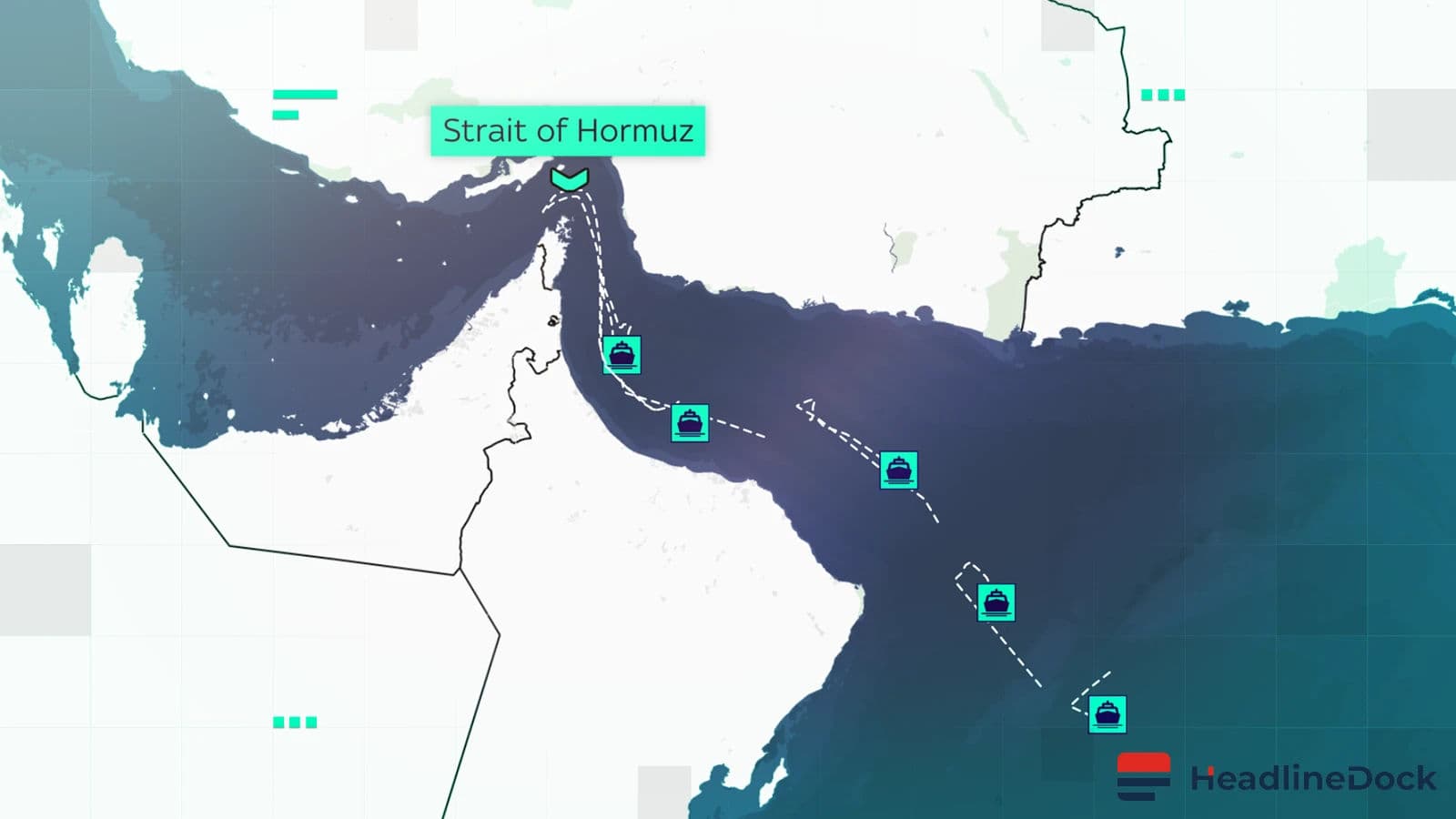
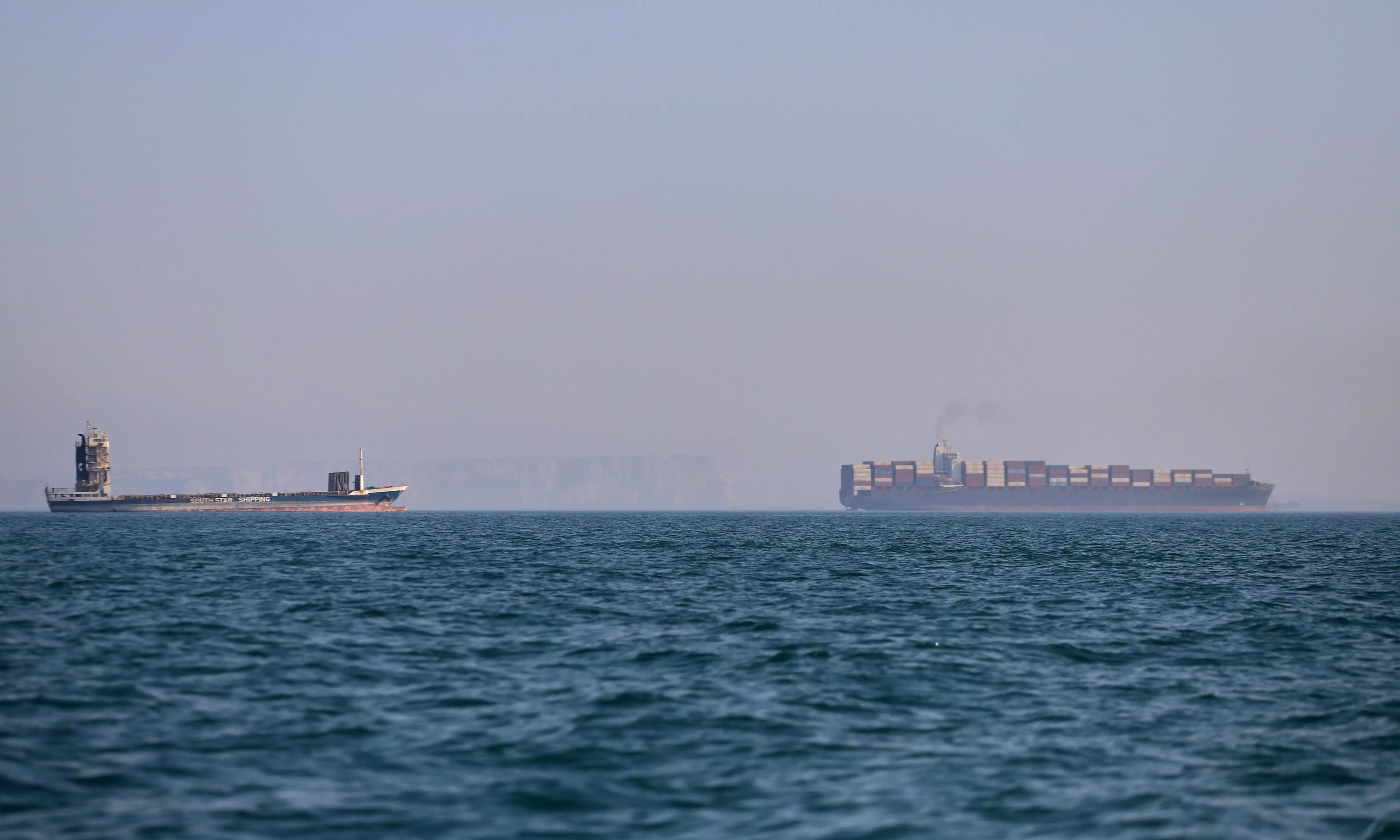
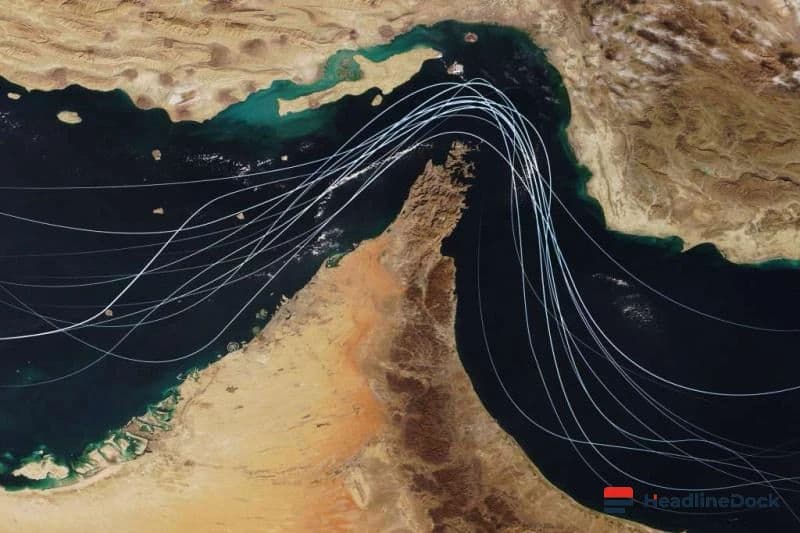
The recent closure of the Strait of Hormuz by the Iranian navy has exposed deep vulnerabilities in global supply chains. By halting transit in this critical waterway on February 28, 2026, the move effectively disrupted significant portions of the world's hydrocarbon and fertilizer trade. This event highlights how heavily reliant modern economies are on global maritime corridors, which can be weaponized by actors seeking to exert pressure.
Global Economic Fallout and Vulnerability
The blockade of the Strait of Hormuz triggered an immediate spike in global commodity prices. Within just one week, the cost of oil and gas surged by over 40 dollars, highlighting the intense pressure placed on nations dependent on these imports. Despite efforts to utilize strategic reserves, the global market struggled to stabilize. This situation serves as a stark reminder of the dilemmas of flux, where nations that build production systems around external, uncontrollable supply lines inadvertently create major security weaknesses.
The theory of weaponized interdependence suggests that these global networks, often touted as tools for peace through commerce, are actually prone to becoming strategic bottlenecks. In the case of the Strait of Hormuz, the region's importance has been well-documented for decades, yet little progress has been made in establishing viable, redundant trade routes. This reliance on a single, vulnerable choke point forces democratic nations into a position of structural punissabilité, where their economic stability can be compromised by regional geopolitical actions.
Strategic Paths Toward Resilience
To combat these risks, experts argue for a move toward non-punissabilité, or the prevention of trade corridors from being used as instruments of coercion. This involves a multi-faceted approach, including diversifying sources and transit routes, enhancing strategic storage, and fostering technological substitution. By replacing critical but insecure imports with domestic energy sources like nuclear or renewable power, nations can insulate themselves from the risks inherent in vital transit chokepoints.
The blockade has also demonstrated the limitations of military-focused solutions. Even when interventionist policies aim to neutralize a threat, the downstream circulatory vulnerabilities often create unforeseen economic consequences. Moving forward, governments must integrate an analysis of global trade flows into their security planning. Developing a resilient géoéconomique architecture—one that includes both state partnerships and cooperation with private logistics operators—is essential for democracies to maintain their stability in an era where global flows have become high-stakes geopolitical weapons. The goal is to ensure that these essential maritime channels return to their primary purpose: reliable, global circulation of necessary goods rather than levers for international extortion.