How Australia Can Power Asia’s Energy Security and Clean Transition
Australia has the potential to become a vital energy partner for Asia and the Pacific. By fostering a regional alliance focused on LNG, renewable fuels, and battery minerals, Australia can help stabilize markets and support a secure transition toward cleaner energy solutions.
Highlights
- •Australia can leverage its resources to enhance regional energy security in Asia-Pacific.
- •The closure of the Strait of Hormuz exposed major vulnerabilities in Asian fuel supplies.
- •A proposed energy alliance would cover LNG, critical minerals, and renewable technologies.
- •Australia's proximity and reliability make it a superior alternative to other global gas suppliers.
Global energy security has emerged as a primary concern for governments worldwide, particularly as they navigate the transition toward clean power while managing surging demand from AI data centres. For the Asia-Pacific region, this challenge is especially pressing, given its heavy reliance on imported fuels. Australia is uniquely positioned to address these needs by serving as a regional energy superpower, utilizing its vast reserves of both traditional and renewable energy resources.
To stabilize long-term markets, there is a strong case for establishing a new regional energy alliance. In the immediate future, such a partnership would focus on guaranteeing consistent supplies of liquefied natural gas (LNG). Moving forward, the relationship could expand to include renewable fuels and battery minerals, which are essential for a cleaner energy future.
Addressing Energy Insecurity Across Asia
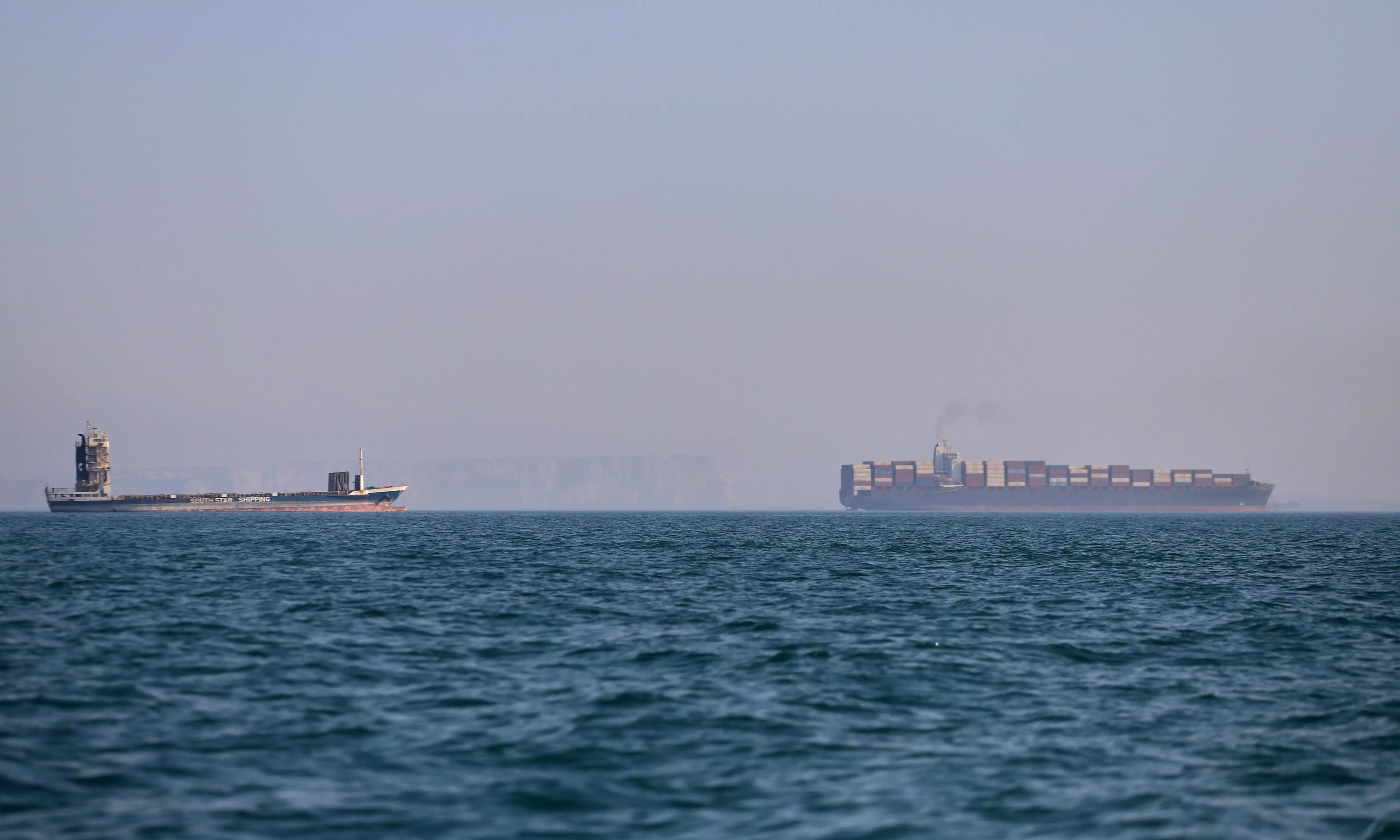
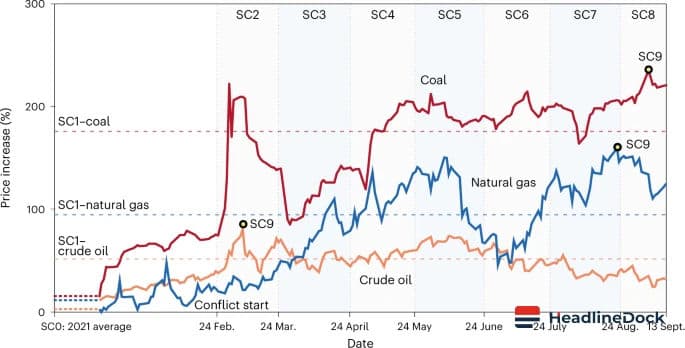
Recent geopolitical tensions have highlighted the fragility of current supply chains. When the Strait of Hormuz was closed during the conflict between the United States-Israel and Iran, Asia faced a massive loss, seeing 80% of its oil and 27% of its natural gas supplies disrupted. Pacific nations, which depend heavily on diesel and food imports, felt the impact acutely. While a deal eventually ended the conflict, the vulnerability of relying on volatile regions remains clear.
The global race for energy security sees major powers like the United States and China adopting distinct strategies. China has shifted toward rapid electrification and expanding its reserves, while also dominating exports in electric vehicles, solar panels, and batteries. In contrast, the United States is focusing on "energy dominance," leveraging domestic oil and gas production to lower costs and secure its position in the tech-driven AI market.
Australia’s Strategic Opportunity
Without a proactive strategy, Australia risks becoming a sidelined participant in these shifting global landscapes. To remain competitive, Australia must work alongside allies like Japan and the United States to build a comprehensive energy security alliance. Such a framework should go beyond fossil fuels to encompass the entire supply chain, including hydrogen, critical minerals, and low-carbon fertilisers.
Australia is currently the most reliable high-volume LNG exporter in the Asia-Pacific, providing a significant advantage over competitors hampered by sanctions or lengthy transit times. By integrating its abundant renewable potential and critical minerals with the financing and infrastructure strengths of its allies, Australia can provide long-term certainty to regional partners. This pragmatic approach supports global net-zero goals while acknowledging the immediate reality that many Asian nations will continue to require fossil fuel supplies in the coming decades.