Strait of Hormuz Reopens: A Crucial Relief for Global Oil Markets
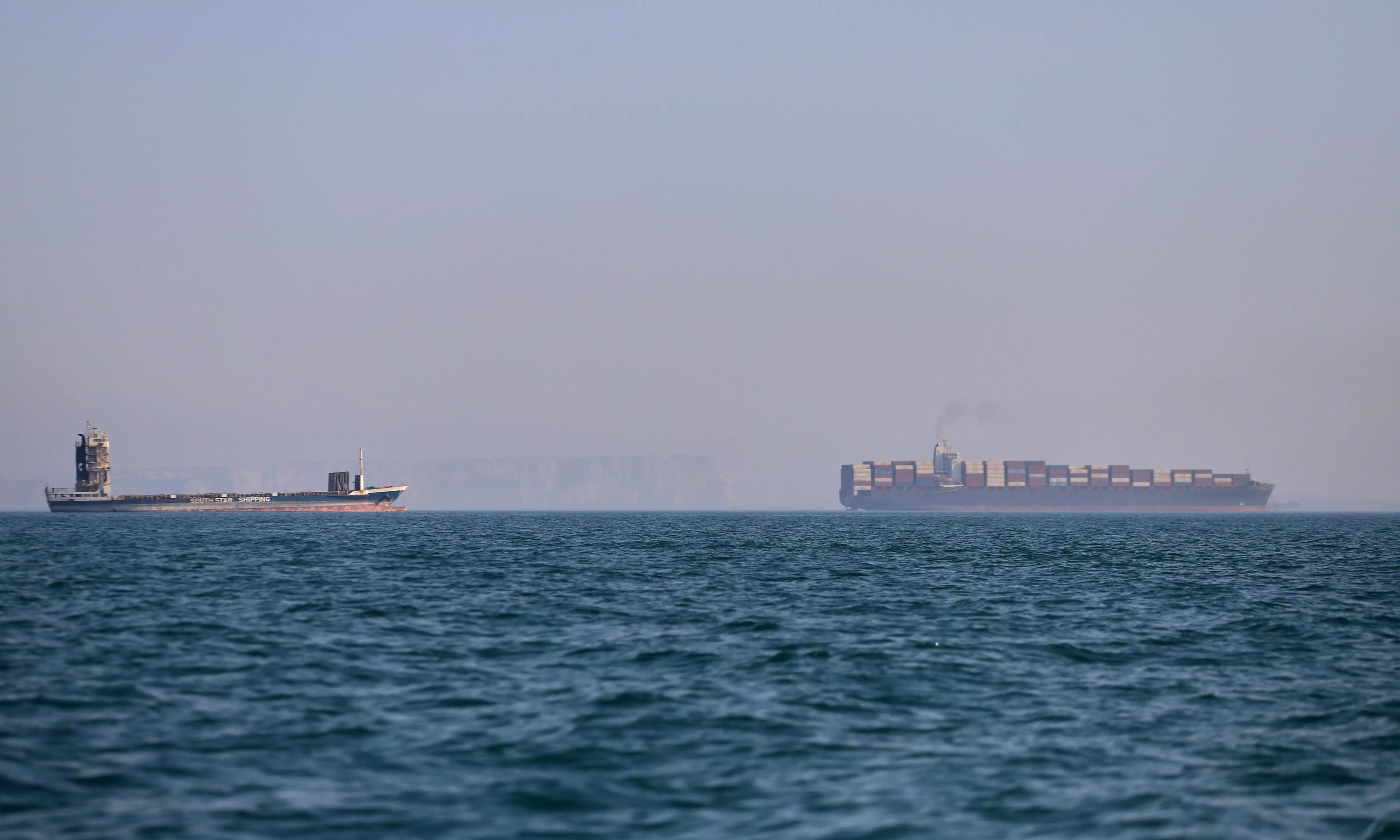
The reopening of the Strait of Hormuz, following a US-Iran agreement, marks a major relief for global oil markets. This critical route, essential for energy-importing nations like India, is expected to normalize crude and LNG supplies after months of severe disruption.
Highlights
- •The Strait of Hormuz, handling 20% of global energy, has reopened after a four-month disruption.
- •An MoU between US and Iranian leadership effectively ends the period of waterway closure.
- •The reopening is expected to release over 160 million barrels of stranded crude oil.
- •India remains highly dependent on the route, relying on it for nearly half of its energy imports.
The reopening of the Strait of Hormuz signals a significant turning point in global energy markets after nearly four months of intense disruption. This critical maritime chokepoint, which normally facilitates the transit of approximately 20 percent of the world’s energy supplies, had seen shipping activities drop to single digits following heightening tensions. The stabilization comes as a result of a Memorandum of Understanding (MoU) finalized by US President Donald Trump and Iranian President Masoud Pezeshkian, aimed at de-escalating the recent conflict.
Impact of the Strait of Hormuz Reopening
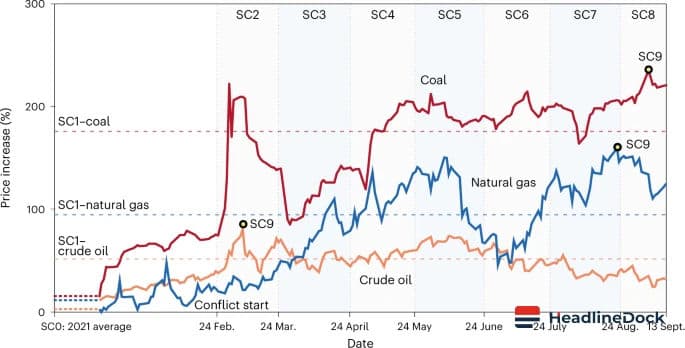
For weeks, the global energy landscape faced severe volatility as the waterway became a focal point of regional hostilities. With the Strait of Hormuz now accessible again, the flow of crude oil and liquefied natural gas (LNG) is expected to normalize, providing much-needed relief to international markets. Data from Kpler suggests that this development could unlock roughly 93 million barrels of stranded non-Iranian crude from the Gulf, alongside 72 million barrels of Iranian supply that had been stalled on tankers west of Chabahar.
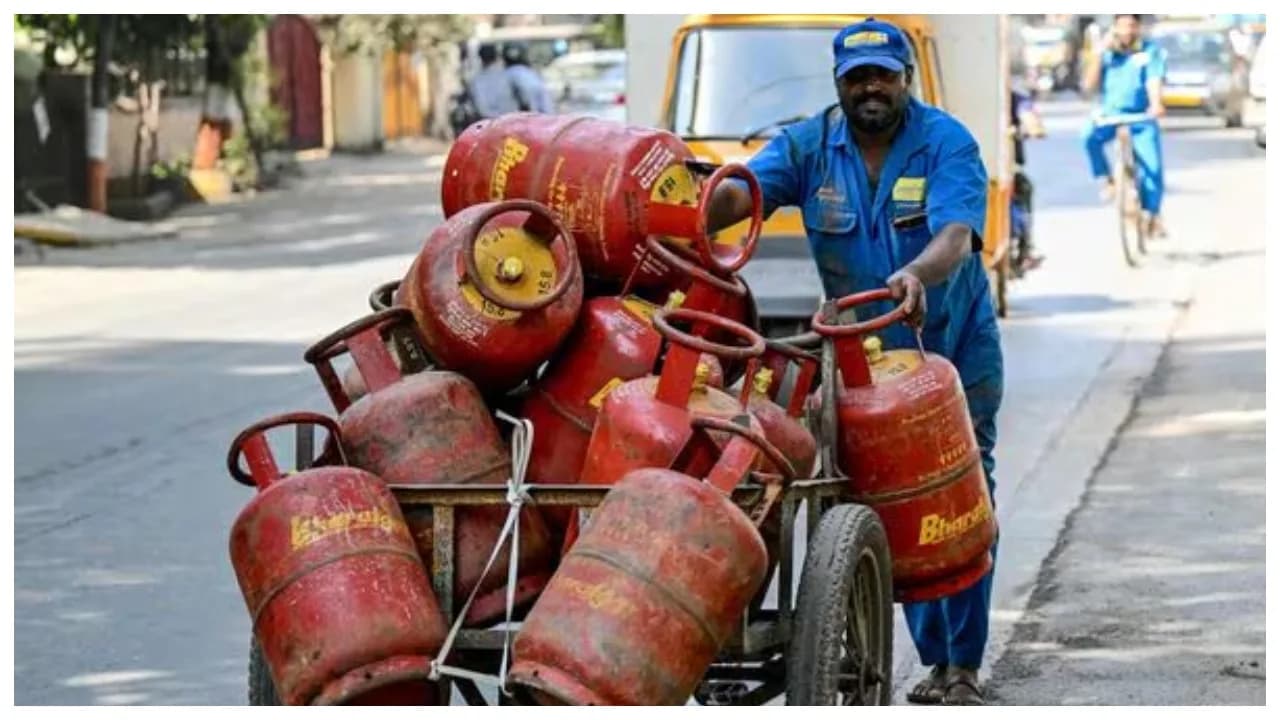
This development is particularly consequential for major energy-importing nations such as India. As a country that relies on the Gulf for a vast portion of its energy needs—importing nearly 85 to 90 percent of its crude oil and significant volumes of LNG—the stability of this route is essential for industrial production and economic health. Energy analysts note that while India navigated the recent crisis more effectively than previous disruptions by leveraging alternative supplies from Russia and Venezuela, the reliance on the Strait of Hormuz remains a structural reality of its energy strategy.
Future Stability and Diplomatic Challenges
While the immediate resumption of traffic is a positive sign for the global economy, the durability of this peace remains a subject of caution. The MoU stipulates that Iran will exert its best efforts to ensure the free movement of commercial vessels for 60 days, with full normalization expected within 30 days as technical hazards like mines are cleared. Experts highlight that the path to long-term stability is complicated by deep-seated geopolitical mistrust.
The involvement of regional actors and the skepticism surrounding US-Iran relations suggest that future security in the region may be fragile. Despite these risks, the reopening represents a critical step in lowering transport costs and easing the inflationary pressures that resulted from the prolonged detour of commercial vessels. As global markets react to the resumed flow of oil, the focus now shifts to whether the diplomatic commitments made by the involved parties will hold under the complexities of the current geopolitical environment.