Strait of Hormuz Energy Shipments Begin Slow Resumption After US-Iran Deal
Following a peace deal between the US and Iran, energy shipments through the Strait of Hormuz are set to resume gradually. While markets have reacted positively, significant infrastructure damage and safety concerns indicate a slow recovery for global oil and LNG flows.
Highlights
- •Strait of Hormuz energy shipments expected to resume slowly following a US-Iran peace deal.
- •Brent crude prices have dipped below US$80 per barrel amid optimistic market sentiment.
- •Regional energy infrastructure, including Qatar's Ras Laffan complex, suffered significant damage requiring years for repair.
- •Australia maintained fuel security throughout the conflict by securing record volumes of diesel imports.
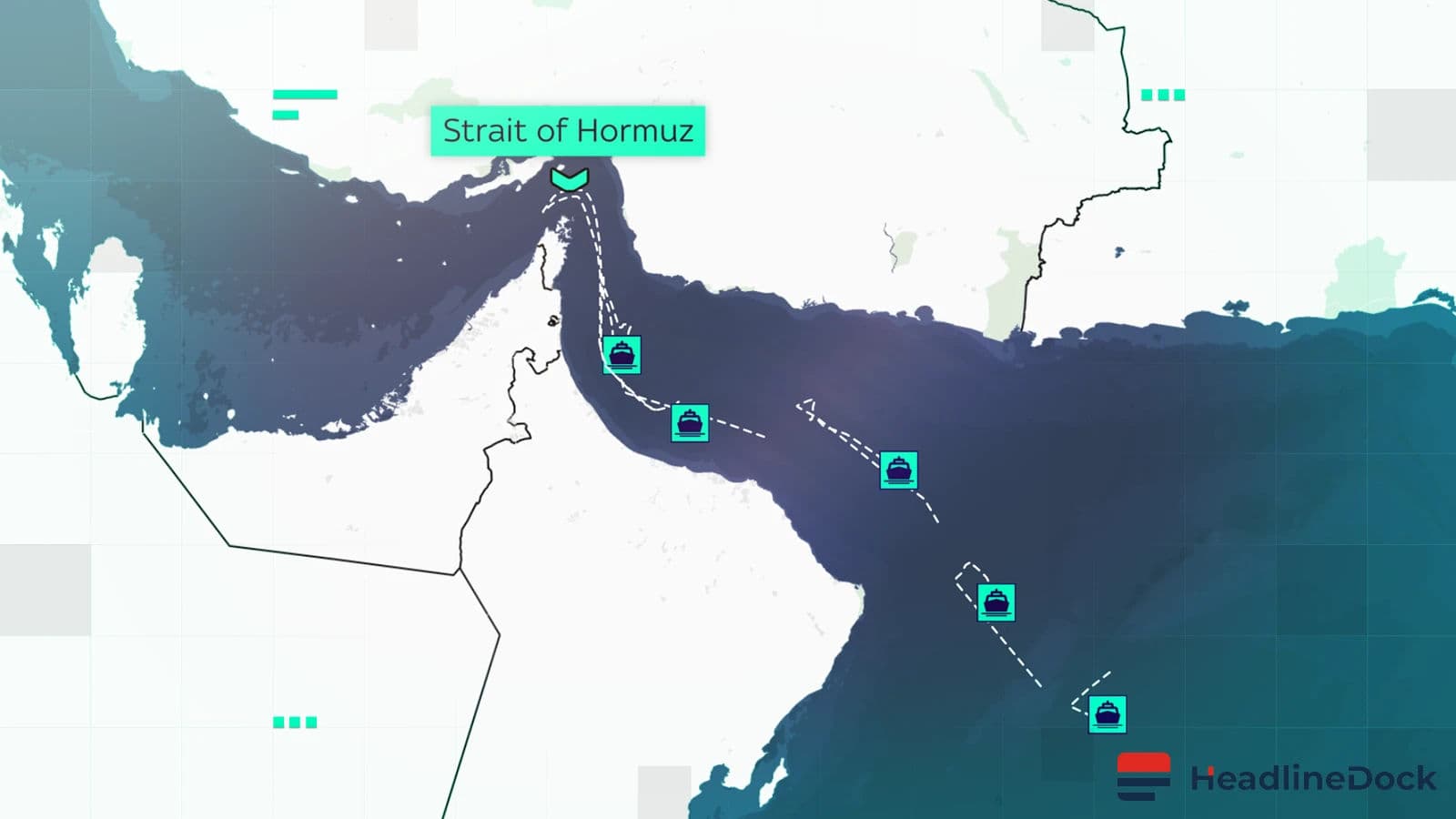
Following a diplomatic resolution to the conflict between the United States and Iran, global markets are bracing for the gradual resumption of Strait of Hormuz energy shipments. President Donald Trump announced the deal with an optimistic message, signaling a potential shift in maritime trade dynamics. However, the restart of oil and liquefied natural gas (LNG) flows through this critical chokepoint is expected to be a slow and complex process.
Energy traders have responded with cautious optimism, evidenced by Brent crude oil prices falling below US$80 per barrel. Despite the political announcement, the United States Navy has confirmed that its existing blockade will remain operational until the official signing of the agreement, which is scheduled for June 19, 2026. Experts anticipate that reaching pre-conflict export volumes will take at least six months, with gas infrastructure repairs potentially extending over a much longer duration.
Challenges to Resuming Maritime Trade
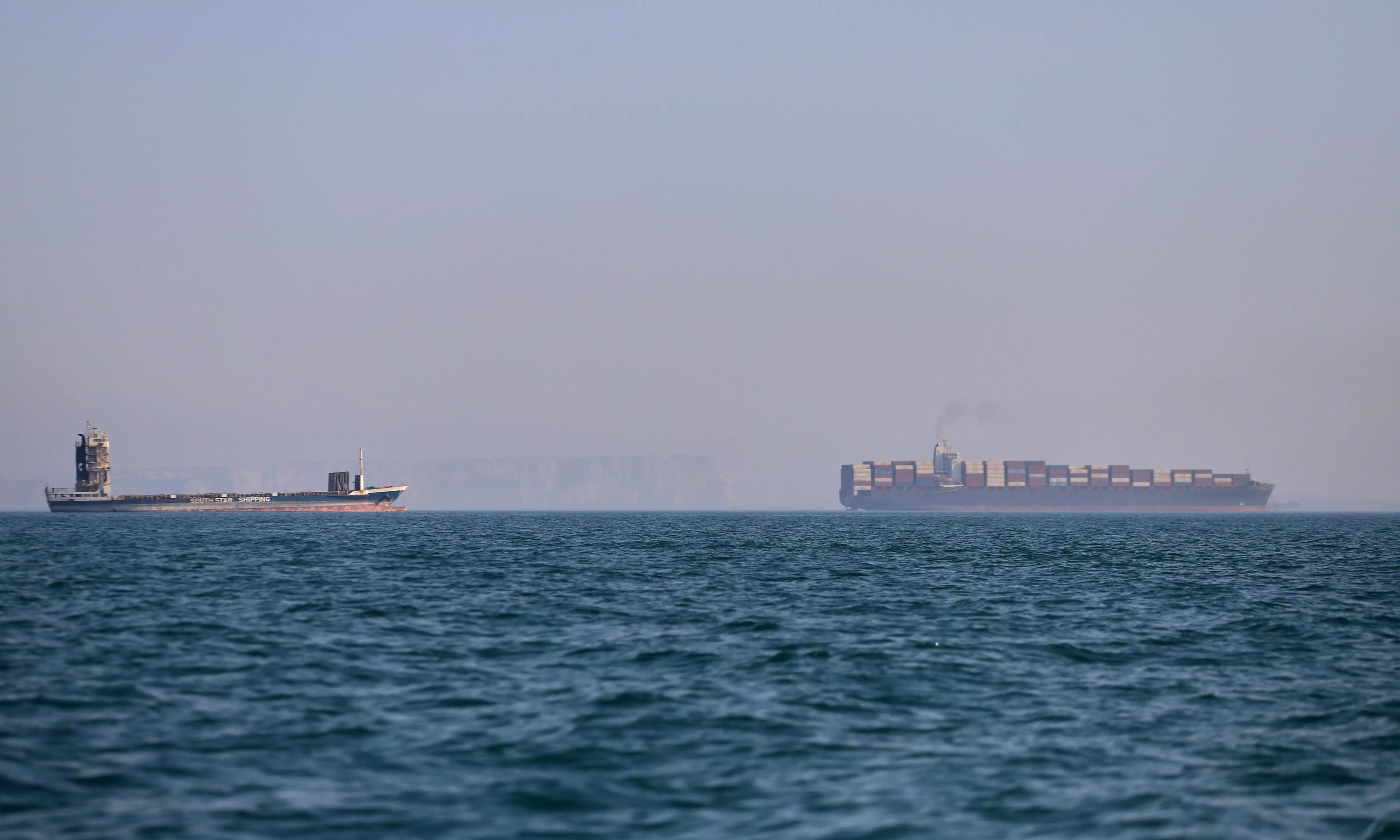
The Strait of Hormuz is a vital artery for global commerce, historically accounting for one-quarter of seaborne oil trade and nearly one-fifth of global LNG shipments. The reopening remains shrouded in ambiguity, as the specific terms of the draft agreement have not been published. While reports from Iran suggest a resumption of activities within 30 days under local arrangements, the region faces significant physical obstacles. Approximately 60 crude oil tankers remain trapped in the Persian Gulf, and maritime safety experts warn that demining operations could take months to clear paths safely.
Furthermore, the conflict resulted in extensive damage to over 80 energy facilities across the region. QatarEnergy has indicated that repairs to the critical Ras Laffan complex, which previously generated nearly 19% of global LNG output, could take between three and five years. Similarly, the United Arab Emirates has projected that full oil export capacities might not be restored until 2027.
Australia's Economic Resilience
Despite the severe supply disruptions, Australia has demonstrated notable resilience. By maintaining consistent imports of diesel—which powers a significant portion of the nation’s mining and agricultural sectors—the country managed to stay at level 2 of its National Fuel Security Plan, avoiding the need for mandatory rationing. While the prospect of a lasting peace is being welcomed by energy markets, the long-term stability of these supply lines remains closely tied to the successful implementation of the current US-Iran deal. Should the situation deteriorate again, global markets remain vulnerable to price volatility and potential future shortages.