How Abrupt Development Aid Cuts Are Fueling Violent Conflict in Africa
Research reveals that the abrupt suspension of USAID programs in 2025 has triggered a significant rise in armed conflict across Africa. Experts suggest that to restore stability, the global community must transition to sustainable aid models that bolster local institutions and productivity.
Highlights
- •Sudden cuts to USAID funding in early 2025 are linked to a 6.5% increase in conflict risk across African regions.
- •Research indicates that USAID programs helped avert approximately 92 million deaths globally from 2001 to 2021.
- •Conflict-related battles and protests rose significantly shortly after the abrupt withdrawal of American humanitarian aid.
- •Experts advocate for a transition toward sustainable development investments that strengthen local institutions and economic productivity.
Recent research indicates that the abrupt decline in international development aid is directly linked to an increase in violent conflict across various regions in Africa. Over the last 18 months, there has been a notable reduction in aid budgets from donor nations, compounded by the United States government's decision to suspend all operations managed by USAID in January 2025.
Impact of Sudden Development Aid Cuts
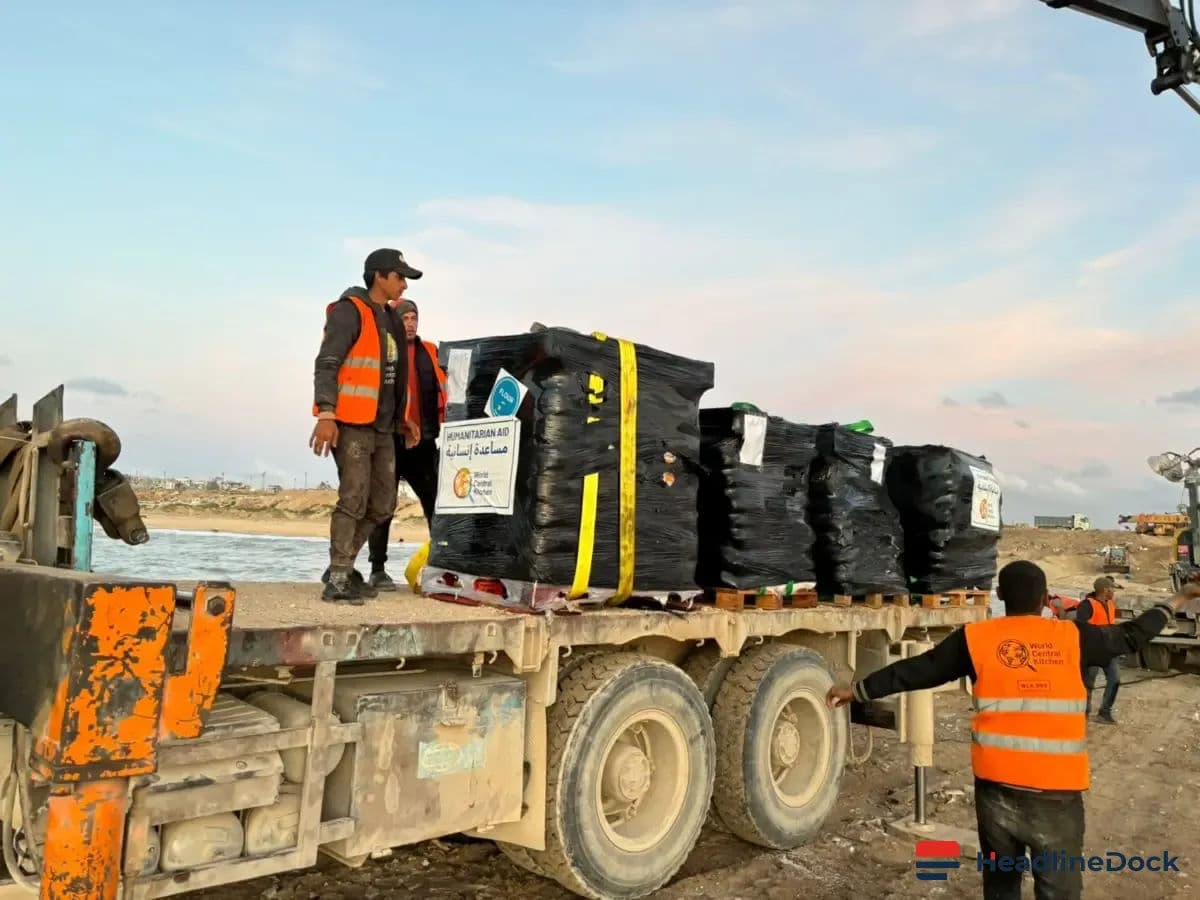
The sudden removal of USAID, which historically stood as the largest provider of humanitarian assistance, has had immediate and severe consequences. Studies from Lancet Global Health suggest that USAID initiatives were instrumental in preventing nearly 92 million deaths between 2001 and 2021. With the current termination of these programs, experts project an additional 14 million deaths by 2030 if these funding levels remain suppressed.
The correlation between reduced development aid and instability is clear. By analyzing geolocated data alongside conflict records from the Armed Conflict Location and Event Data (ACLED) project across 870 regions in Africa, researchers identified a significant shift. Areas that previously relied on American aid experienced a 3.1 percentage point increase in conflict probability following the January 2025 suspensions. This translates to a 6.5% rise in relative conflict risk, with notable increases in battles, protests, and related fatalities.
Strategies for Restoring Stability
The abrupt withdrawal of financial support causes economic opportunities to vanish rapidly, which lowers the cost of participating in rebellion while leaving underlying tensions intact. Evidence suggests that nations with stronger governance and robust local institutions are better equipped to buffer against these destabilizing effects. Conversely, the presence of foreign aid from other sources, such as China, did not show a clear mitigating impact on the volatility caused by the USAID shutdown.
As the international community considers how to respond, experts recommend shifting away from simply restoring the old model of assistance. Instead, there is a call to "build back better" by prioritizing investments that enhance productivity and cannot be easily misappropriated, such as human capital development. Promoting peace in the future will likely depend on sound public policies, the expansion of job-creating programs, and international security guarantees, such as the support provided by United Nations peacekeepers. Relying on these structural improvements, rather than a return to previous aid structures, may offer a more resilient path toward long-term prosperity and security in vulnerable regions.