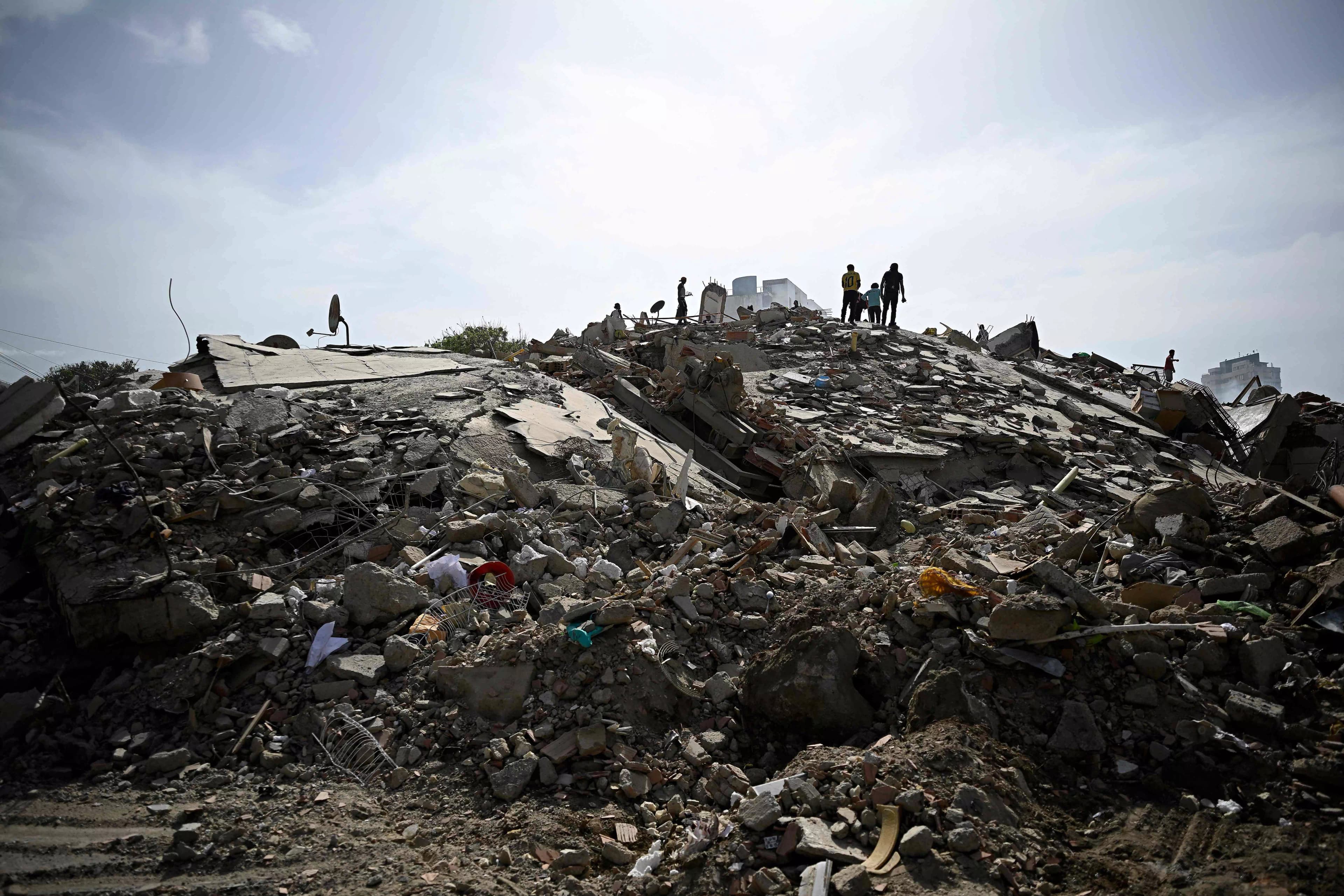
Tanker Struck in Strait of Hormuz as US and Iran Trade Attacks
Tensions in the Strait of Hormuz have intensified after a tanker was hit by a projectile. The United States and Iran are accusing each other of violating a recent peace deal, leading to an escalation in regional attacks and threats to global energy shipping routes.
Highlights
- •A tanker was struck by a projectile in the Strait of Hormuz, causing bridge damage but no injuries.
- •The US and Iran are trading accusations of violating a peace deal signed just two weeks ago.
- •Iran's Revolutionary Guards are enforcing unauthorized transit rules, demanding ships seek permits.
- •Tensions remain high following drone strikes in Bahrain and ongoing conflict between Israel and Hezbollah.
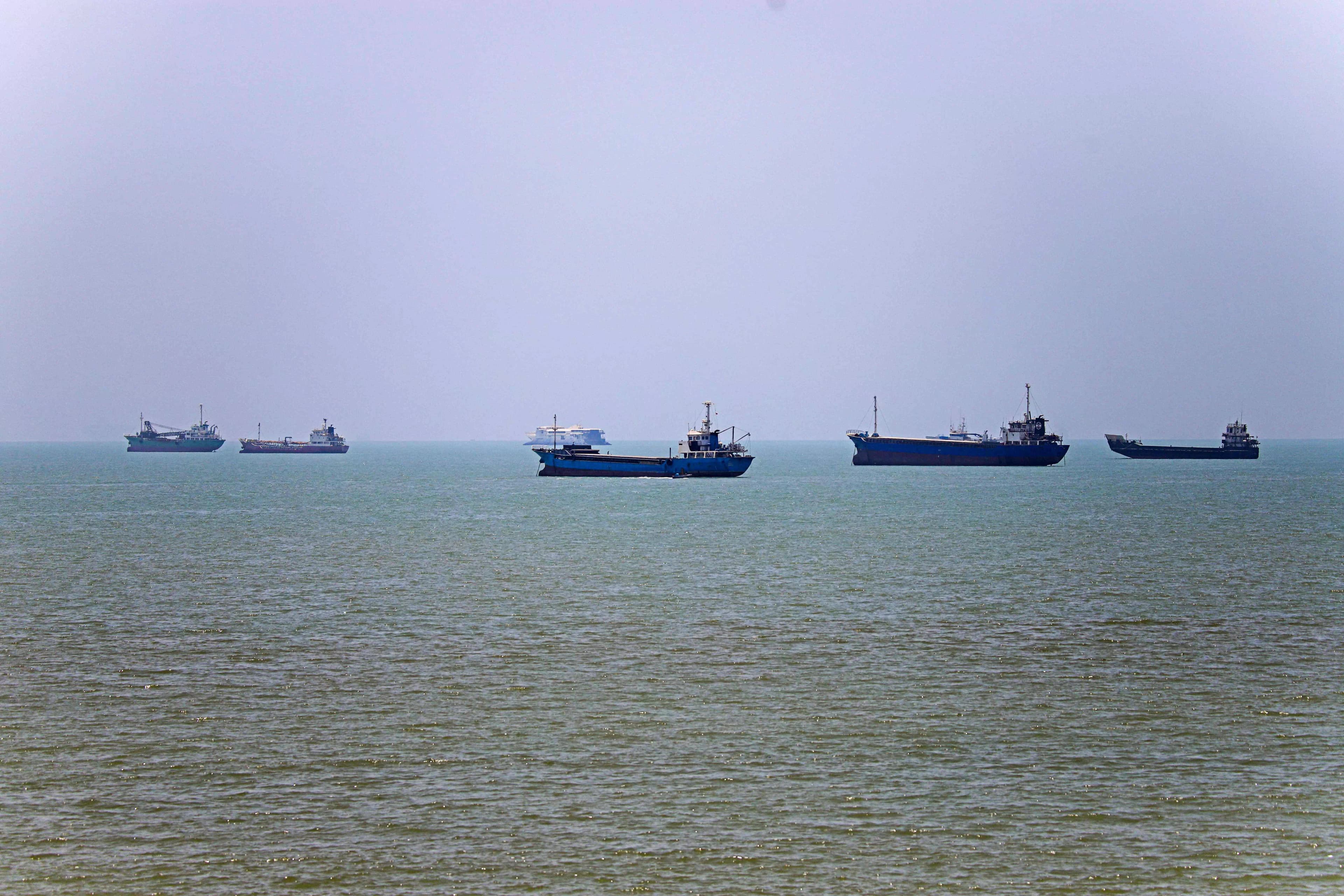
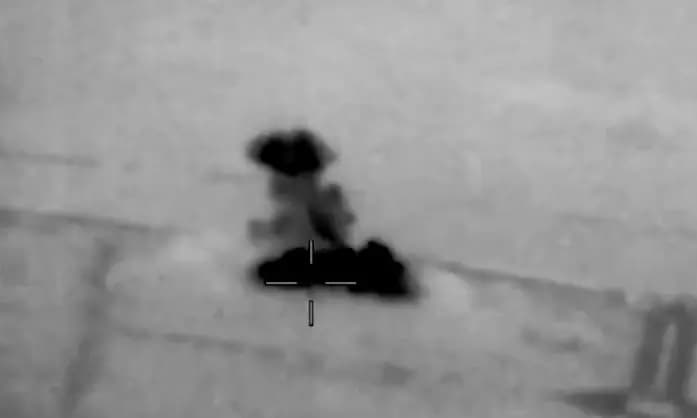
Tensions in the Strait of Hormuz have spiked once again after a tanker was struck by a projectile on Saturday. This incident marks a severe escalation between the United States and Iran, occurring just two weeks after both nations signed an interim peace agreement intended to de-escalate a conflict that has persisted for four months.
According to reports, the tanker sustained damage to its bridge during the attack. Fortunately, all crew members on board remained safe. This latest strike follows an attack on a cargo ship just two days prior, further destabilizing a critical maritime corridor for global energy shipments. The Joint Maritime Information Center, which oversees a coalition of navies tasked with protecting shipping interests, has subsequently raised the regional security threat level.
Escalating Conflict in the Strait of Hormuz
The security situation in the Strait of Hormuz continues to deteriorate as both Washington and Tehran trade accusations of violating the recent peace deal. While the United States claimed to have targeted Iranian positions overnight, Iran retaliated by asserting it had struck military targets linked to US forces. Additionally, Bahrain reported a drone strike on its soil, the site of the US Navy’s regional headquarters.
Iran has not offered direct commentary regarding the specific attacks on merchant vessels. However, state television in Iran indicated that the Revolutionary Guards had issued warning shots at vessels attempting to navigate through unauthorized channels. These directives are pressuring shipping operators to seek Iranian permits to cross the strait. Ebrahim Azizi, the head of Iran's parliamentary national security committee, emphasized that any failure to adhere to these shipping directives would face a decisive response.
The ongoing regional instability remains deeply intertwined with the broader conflict involving Israel and Hezbollah in Lebanon. Tehran has criticized the United States for failing to uphold ceasefire commitments in Lebanon following Israel’s March offensive. Despite multiple US-brokered efforts, ceasefires have struggled to gain traction, with Hezbollah leader Naim Qassem dismissing the latest agreement as surrender.
US Vice President JD Vance responded to the renewed escalation by stating that the United States has strictly honored the terms of the memorandum of understanding. He placed the blame squarely on Iran, asserting that any further violence would be met with equivalent force. As the situation remains volatile, the safety of the Strait of Hormuz remains a central concern, with international shippers left to navigate a precarious landscape of competing transit routes and heightened security risks.