US Strikes Iran Following Cargo Ship Attack in Strait of Hormuz
The US military struck Iranian missile and drone sites in response to a drone attack on a cargo ship in the Strait of Hormuz. The incident has halted UN-led ship evacuations and heightened tensions during ongoing US-Iran peace negotiations, posing a significant challenge to maritime trade stability.
Highlights
- •US forces struck missile, drone, and radar sites in Iran following a drone attack on a cargo ship.
- •The incident occurred in the Strait of Hormuz, halting UN-backed efforts to evacuate stranded vessels from the area.
- •Global shipping confidence faces a major test as transit normalization slows down after the recent projectile strike.
- •Negotiations between the US and Iran continue during a 60-day window to address maritime security and nuclear issues.
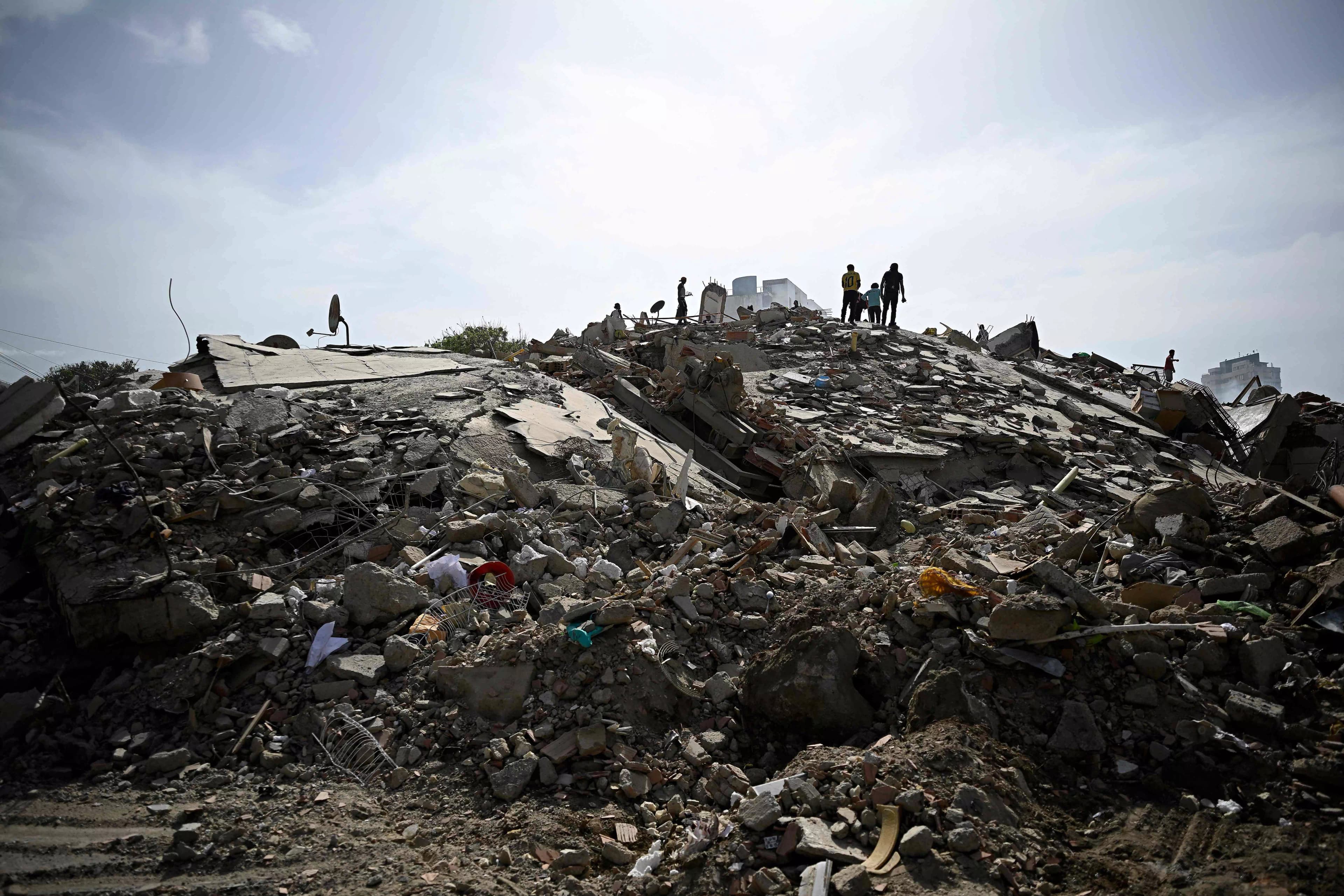
The United States military conducted targeted strikes on Iran this Friday, marking a direct response to a recent drone assault on a cargo vessel in the critical Strait of Hormuz. The military actions were confirmed by US Central Command, which targeted missile launch facilities, drone operating locations, and coastal radar stations within Iranian territory.
The escalation occurred shortly after President Donald Trump addressed the press at the White House, expressing his disapproval of the drone attacks. When questioned regarding a potential military reaction, the President signaled that a response was forthcoming. The situation has intensified tensions, as the two nations remain engaged in delicate negotiations aimed at securing an interim peace agreement and resolving broader conflicts in the region.
Strait of Hormuz Security and Global Trade Impact
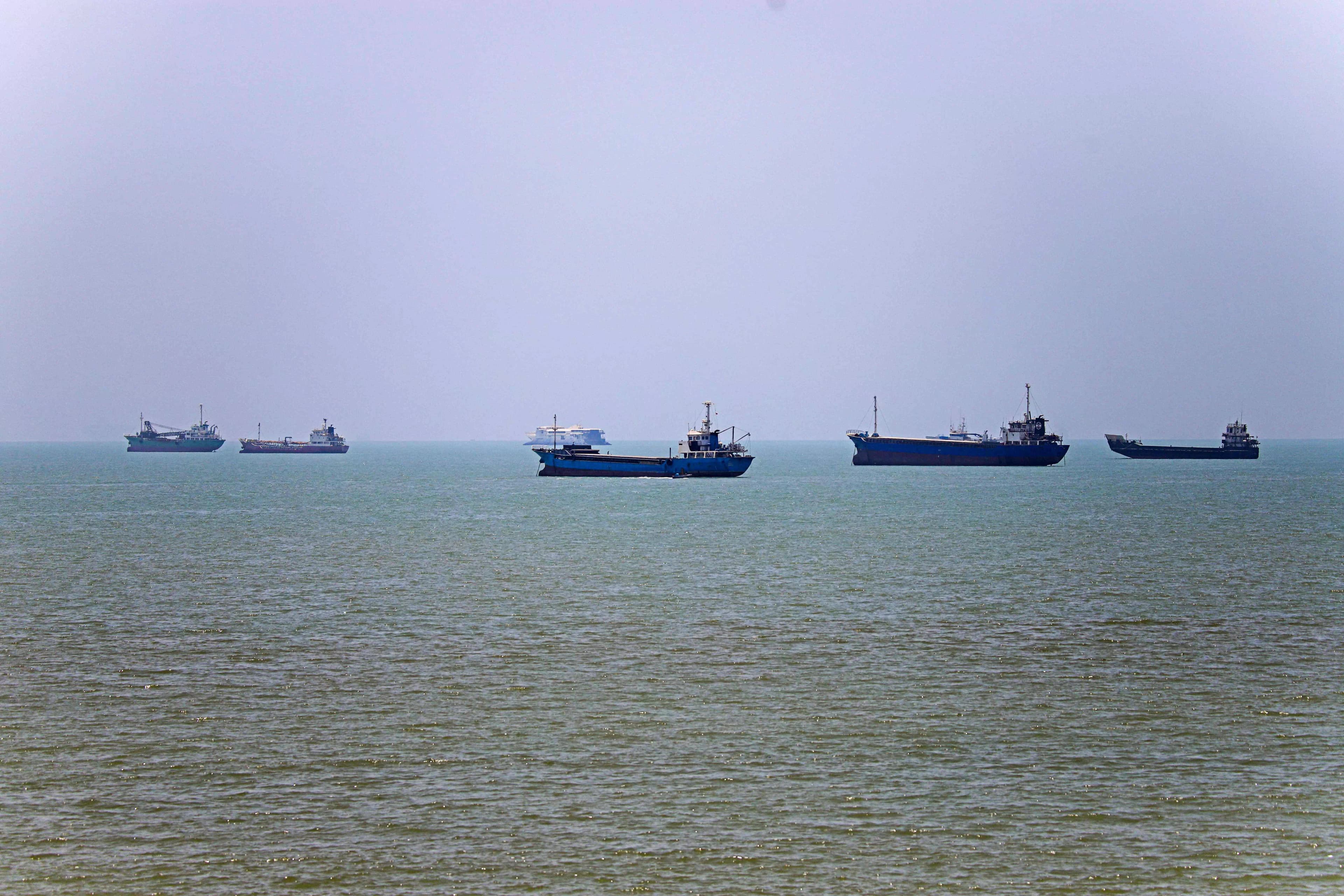
The security landscape in the Strait of Hormuz remains fragile, directly impacting global supply chains. A container ship was struck by a projectile off the coast of Oman on Thursday, an event that followed public threats from Iran regarding vessel navigation in the waterway. While no casualties were reported, the incident prompted the International Maritime Organisation to temporarily suspend humanitarian operations aimed at evacuating stranded ships.
Before the interruption, approximately 115 vessels had successfully navigated through an alternative path hugging the Oman shoreline. However, according to Arsenio Dominguez, the agency's secretary-general, around 500 ships currently remain in the area. The suspension of these evacuation routes has cast doubt over the normalization of transit, a concern highlighted by the marine data firm Windward. Analysts are closely monitoring the impact, as the Strait of Hormuz remains a vital artery for international crude oil tankers.
Despite these challenges, maritime data from Lloyd's List Intelligence indicates that over two dozen ships continued their transit through the southern route following the military strikes. The ongoing negotiations between the US and Iran, which also involve discussions regarding uranium enrichment, face a tight 60-day window for establishing permanent terms. Market participants are now closely watching whether stability can be restored to this essential maritime passage amidst the volatile geopolitical climate.