Over 50,000 Missing After Catastrophic Twin Earthquakes Strike Venezuela
A series of powerful twin earthquakes in Venezuela has left over 50,000 people missing and hundreds dead. International rescue teams have mobilized to assist in the desperate search for survivors amidst a national landscape already struggling with economic and infrastructure collapse.
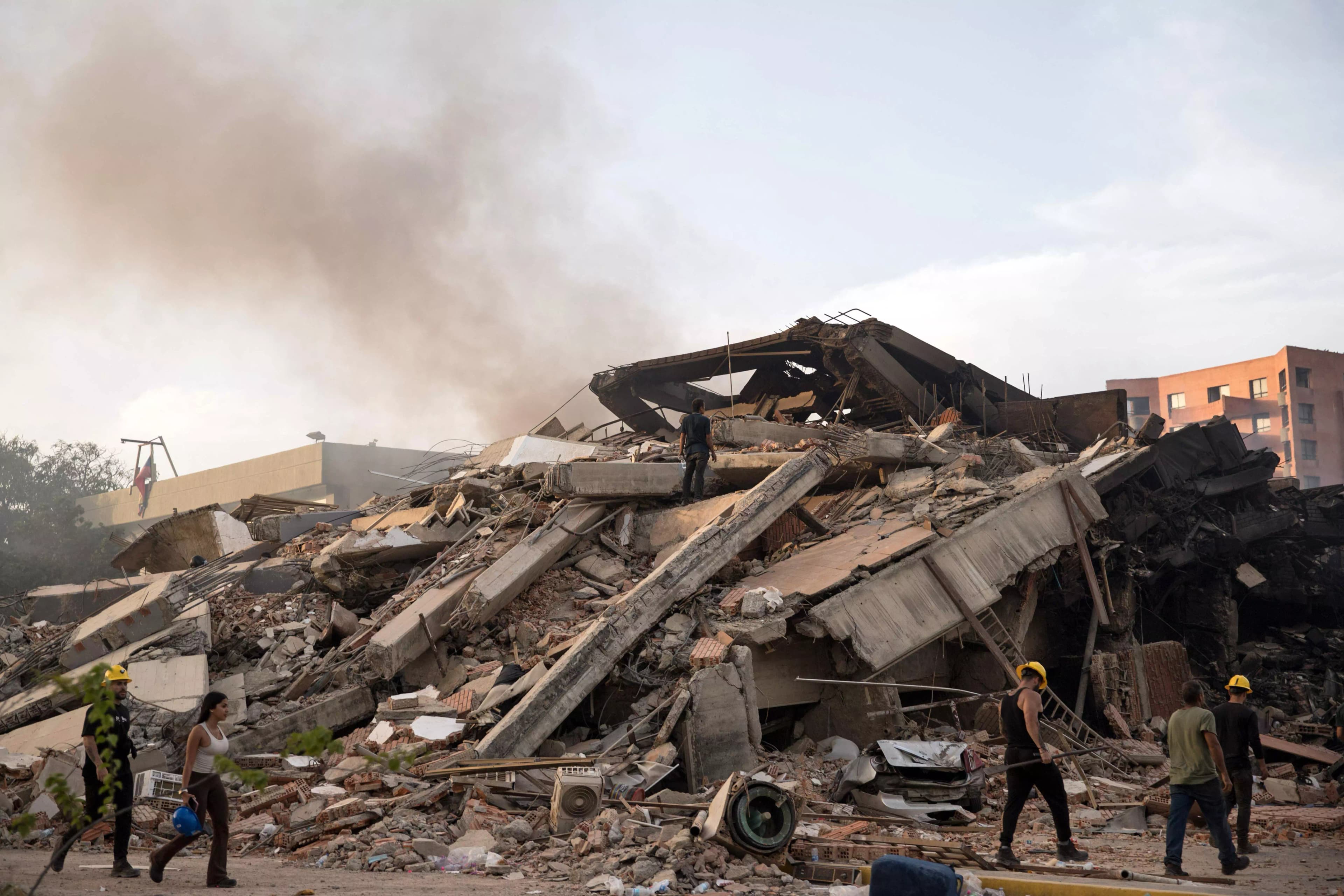
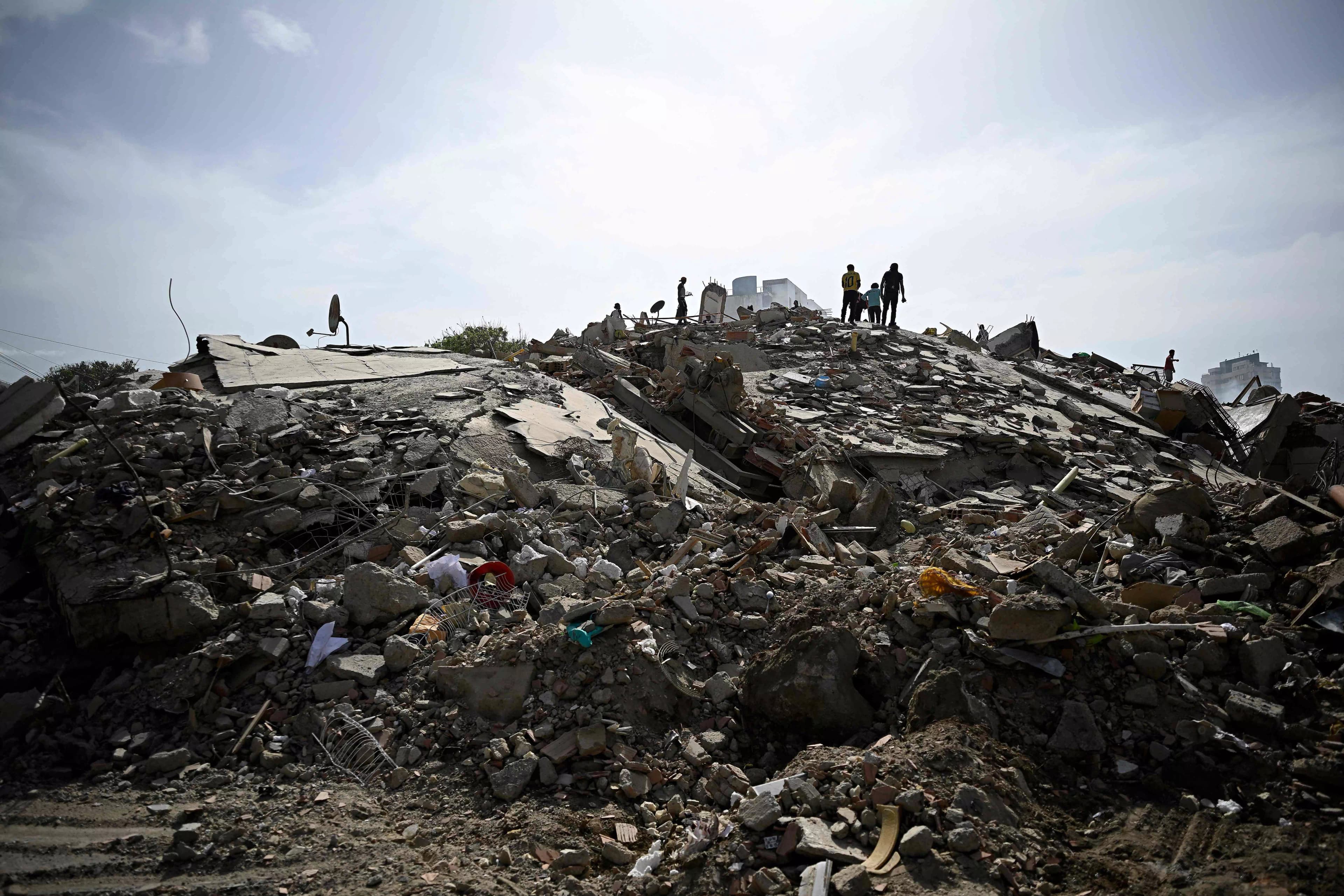
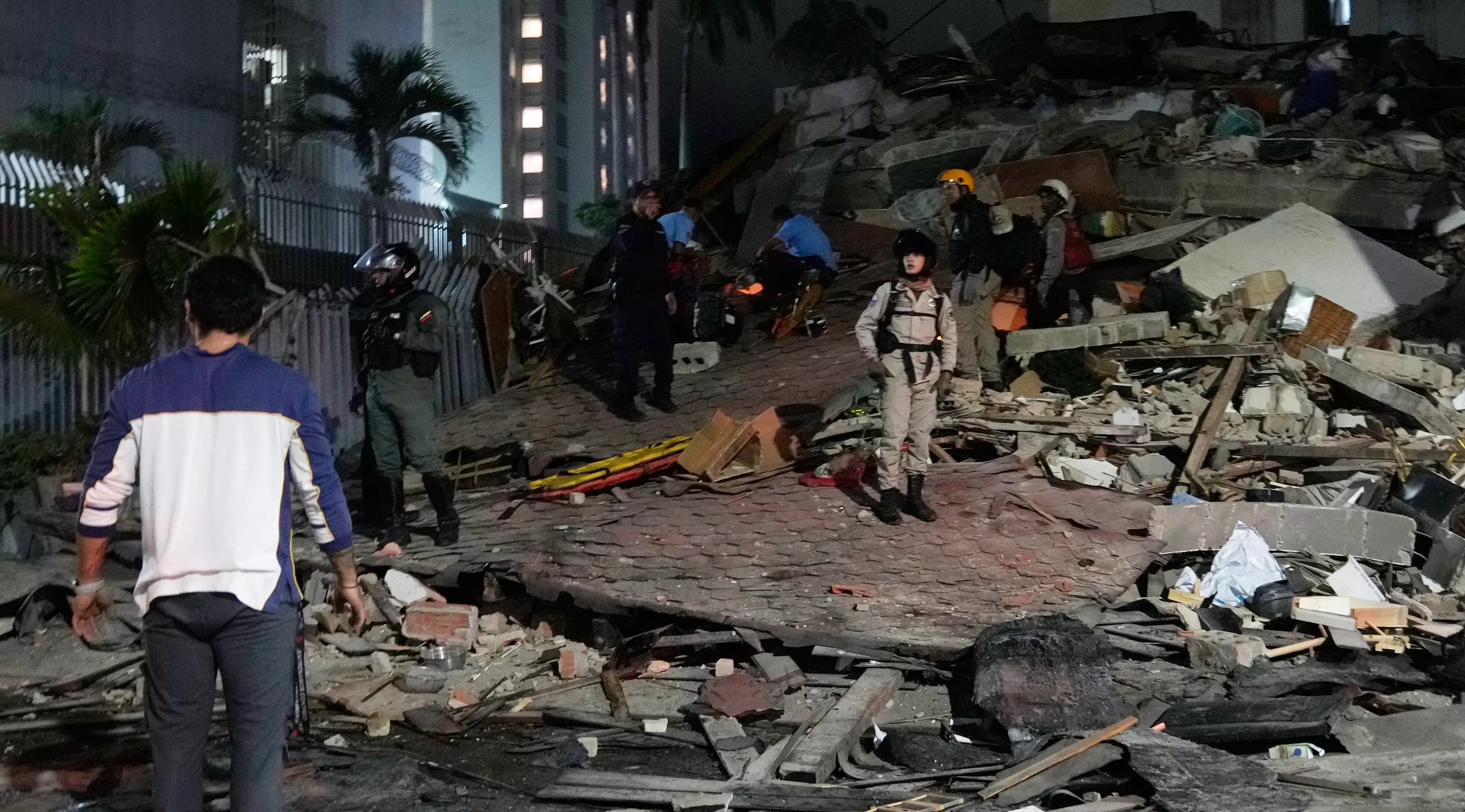
A catastrophic natural disaster has struck Venezuela, with officials reporting that over 50,000 people are currently missing following devastating Venezuela earthquakes. The twin tremors, which hit the northern coast on Wednesday night, have left a trail of destruction that aid organizations are struggling to navigate. United Nations aid chief Tom Fletcher confirmed that the search and rescue operation for survivors is a massive undertaking, as the confirmed death toll has climbed to 589.
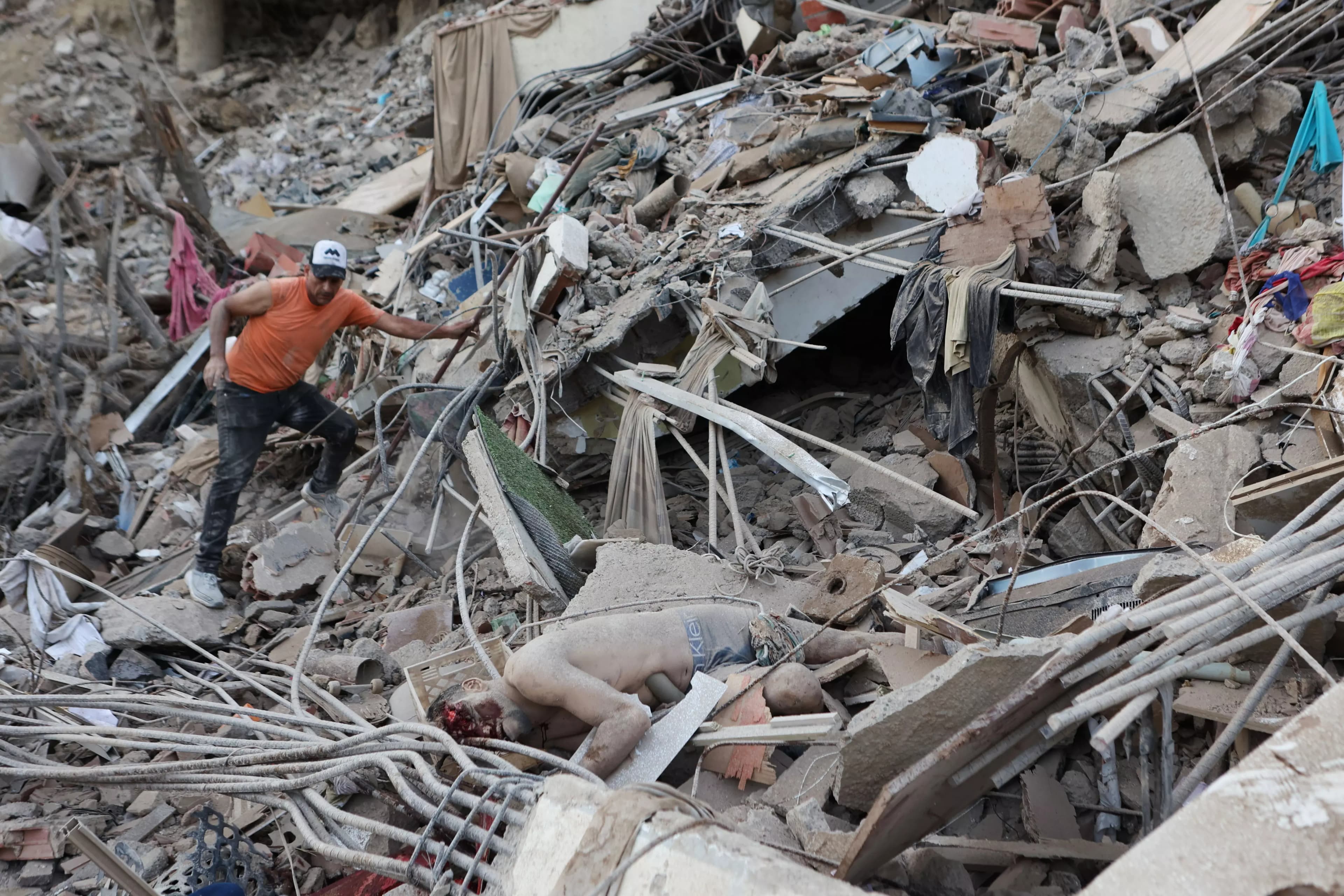
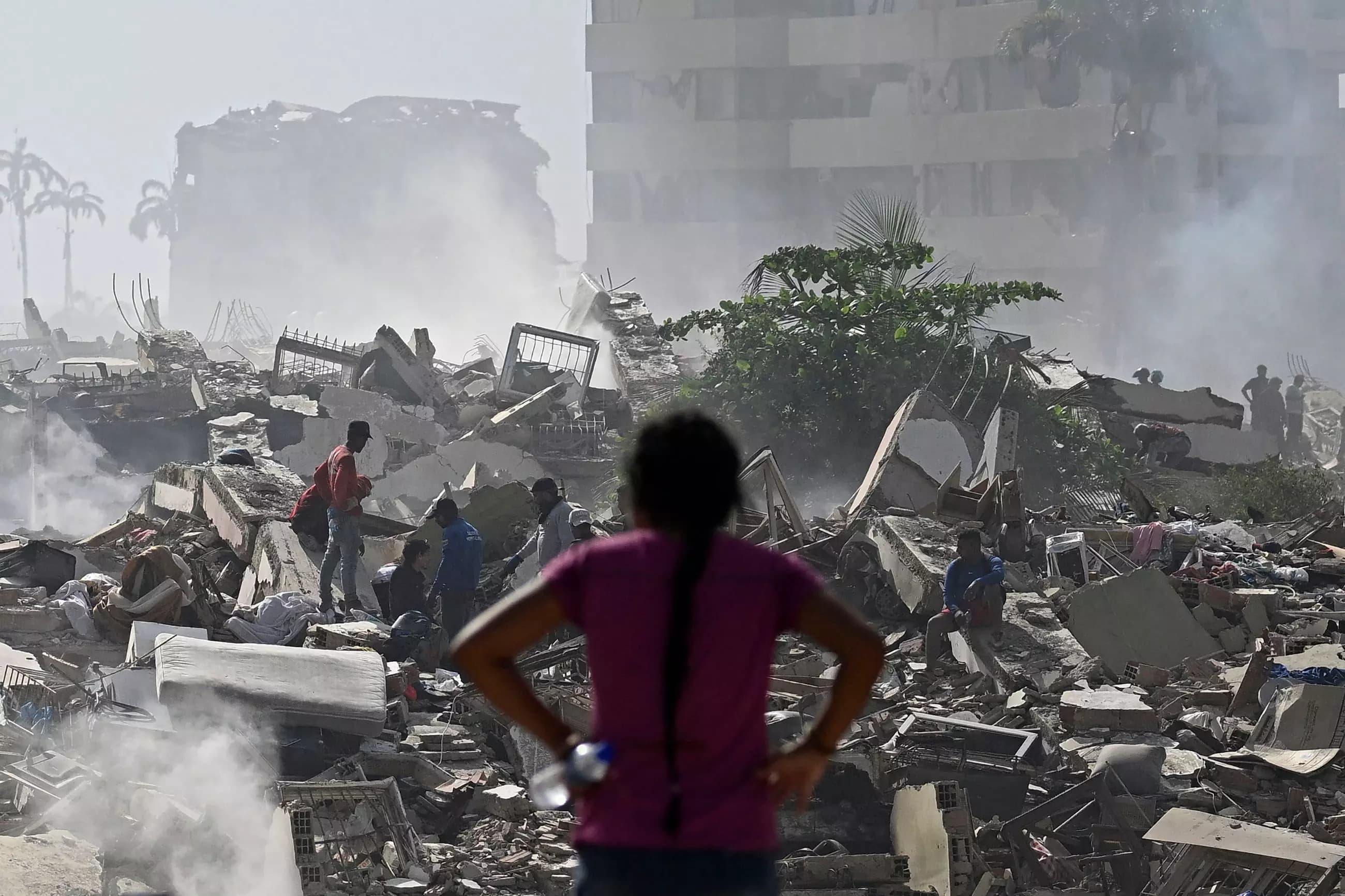
The two powerful quakes, measuring 7.2 and 7.5 on the magnitude scale, occurred within less than a minute of each other. The impact was centered in the region north of the capital, Caracas, with La Guaira emerging as one of the most severely affected areas. Satellite imagery of the region reveals multiple residential complexes reduced to rubble, complicating efforts for responders trying to reach trapped individuals.
International Response to Venezuela Earthquakes
The humanitarian response has mobilized assistance from at least 17 nations, including Spain, Switzerland, Colombia, Mexico, and El Salvador. A senior United States military official has arrived in Caracas to coordinate relief efforts, which include the deployment of warships, helicopters, and transport planes. Furthermore, the United States has announced the mobilization of $150 million in aid and a temporary suspension of economic sanctions to facilitate emergency access.
Despite the arrival of global support, rescue efforts on the ground remain difficult. Many residents have expressed deep frustration over the pace of recovery, with some locals in La Guaira accusing authorities of failing to deploy necessary heavy machinery quickly enough. Families continue to wait near flattened buildings, hoping for signs of life, while rescuers—sometimes working with only their bare hands—listen for survivors amidst the ruins.
The disaster comes at an already precarious time for Venezuela, which has been grappling with severe economic collapse and a significant migration of its population over the last decade. Public services and healthcare infrastructure were already strained long before the seismic activity occurred. Aid agencies have issued urgent warnings that the country, which has not seen such a massive seismic event since 1997, faces a deepening human tragedy if international assistance does not continue effectively. The tremors were also felt in neighboring regions, including Bogota in Colombia and several cities in northern Brazil, signaling the sheer scale of the geological disturbance.
,curated_key_highlights:[