International Aid Faces Obstacles Following Devastating Venezuela Earthquakes
The June 24, 2026, earthquakes in Venezuela have triggered a severe humanitarian crisis. While global aid is incoming, damaged infrastructure at the nation’s main airport is complicating delivery. Experts recommend cash donations to trusted local groups for the most effective and rapid recovery response.

Highlights
- •Powerful earthquakes struck Venezuela on June 24, 2026, worsening a severe pre-existing humanitarian crisis.
- •Over 50,000 people are currently reported as missing, with confirmed casualties in the hundreds.
- •International aid is delayed due to significant structural damage at Simón Bolívar International Airport.
- •Experts advise donating cash to established local nonprofits to ensure faster and more effective disaster relief.
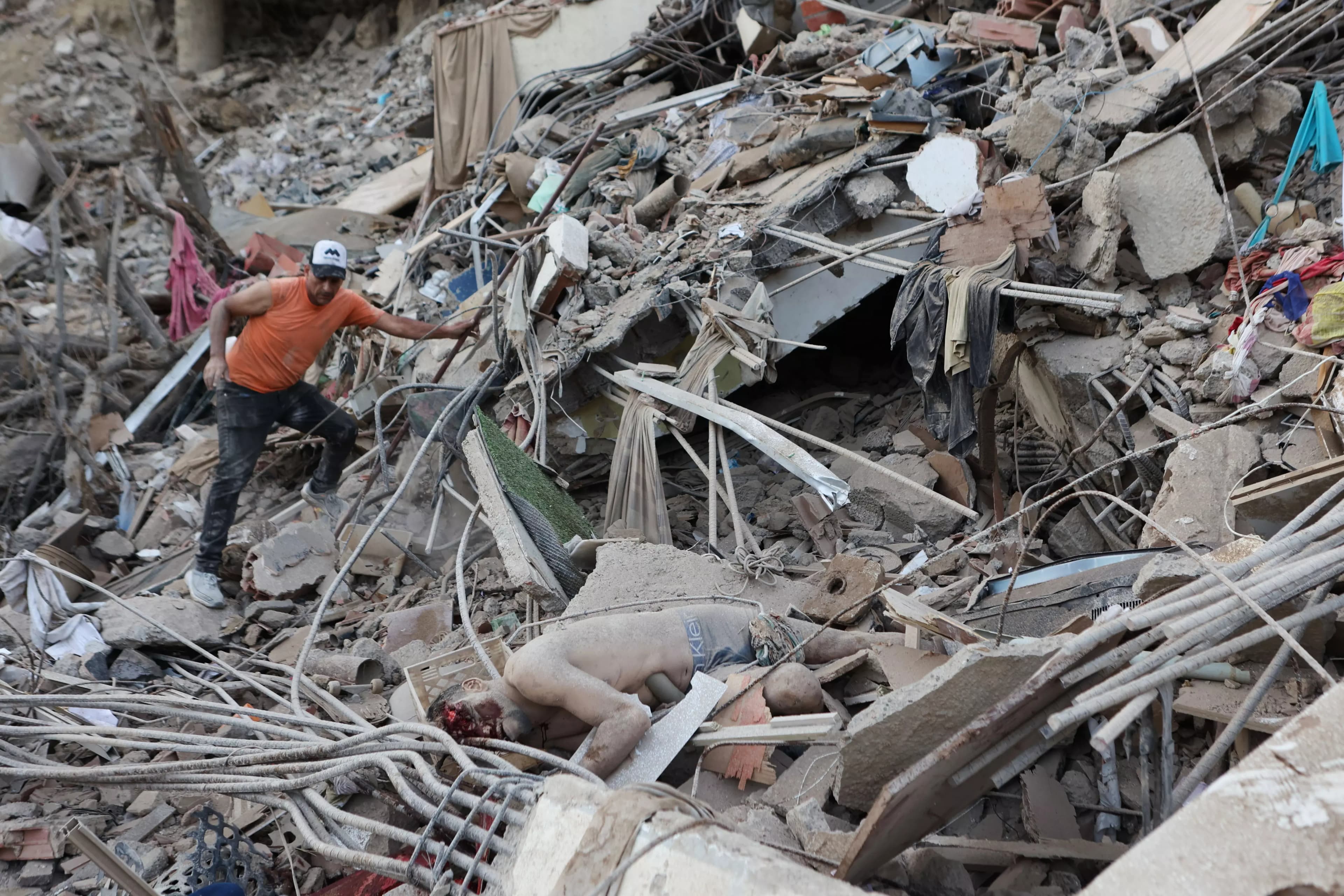
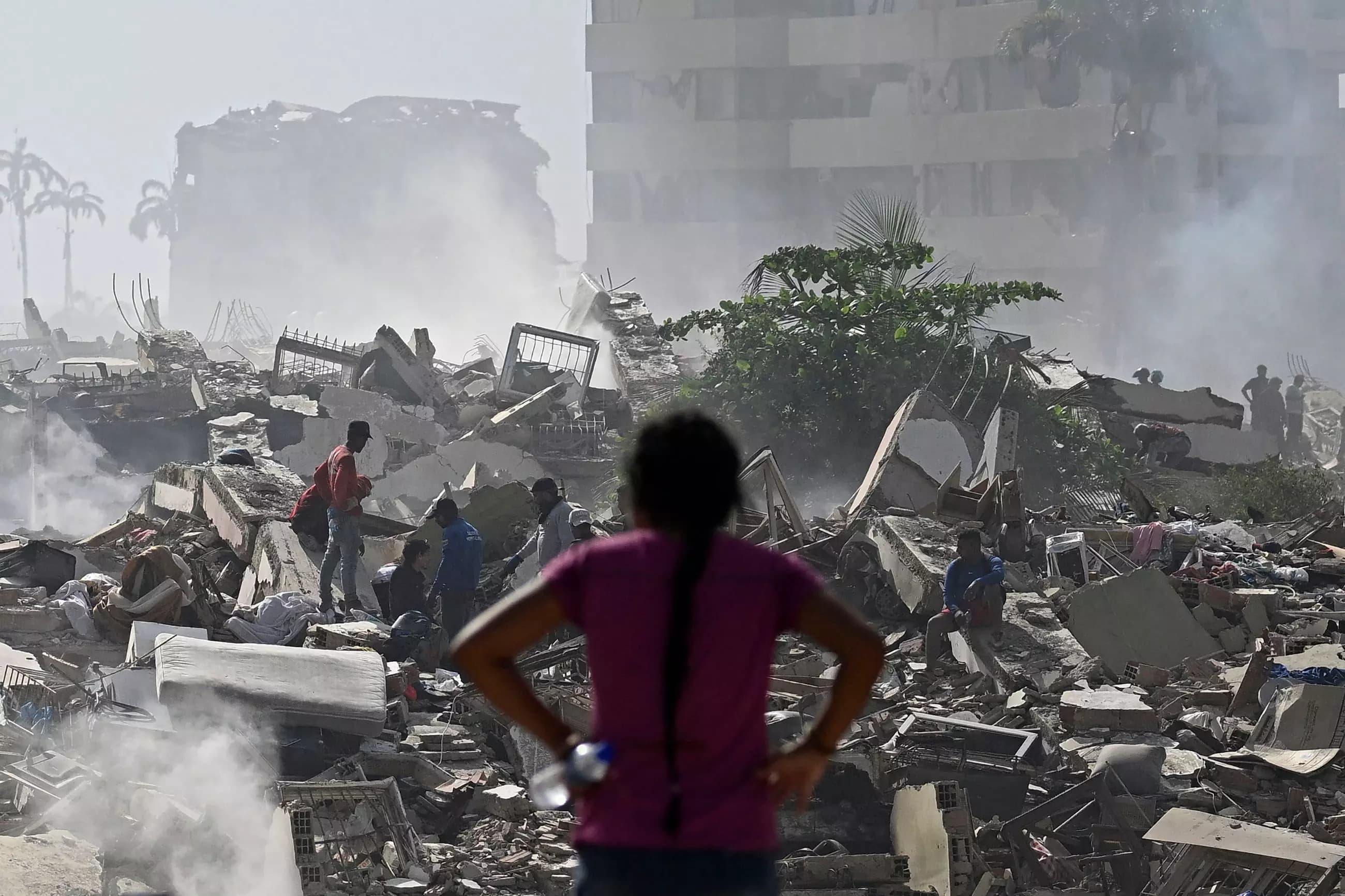
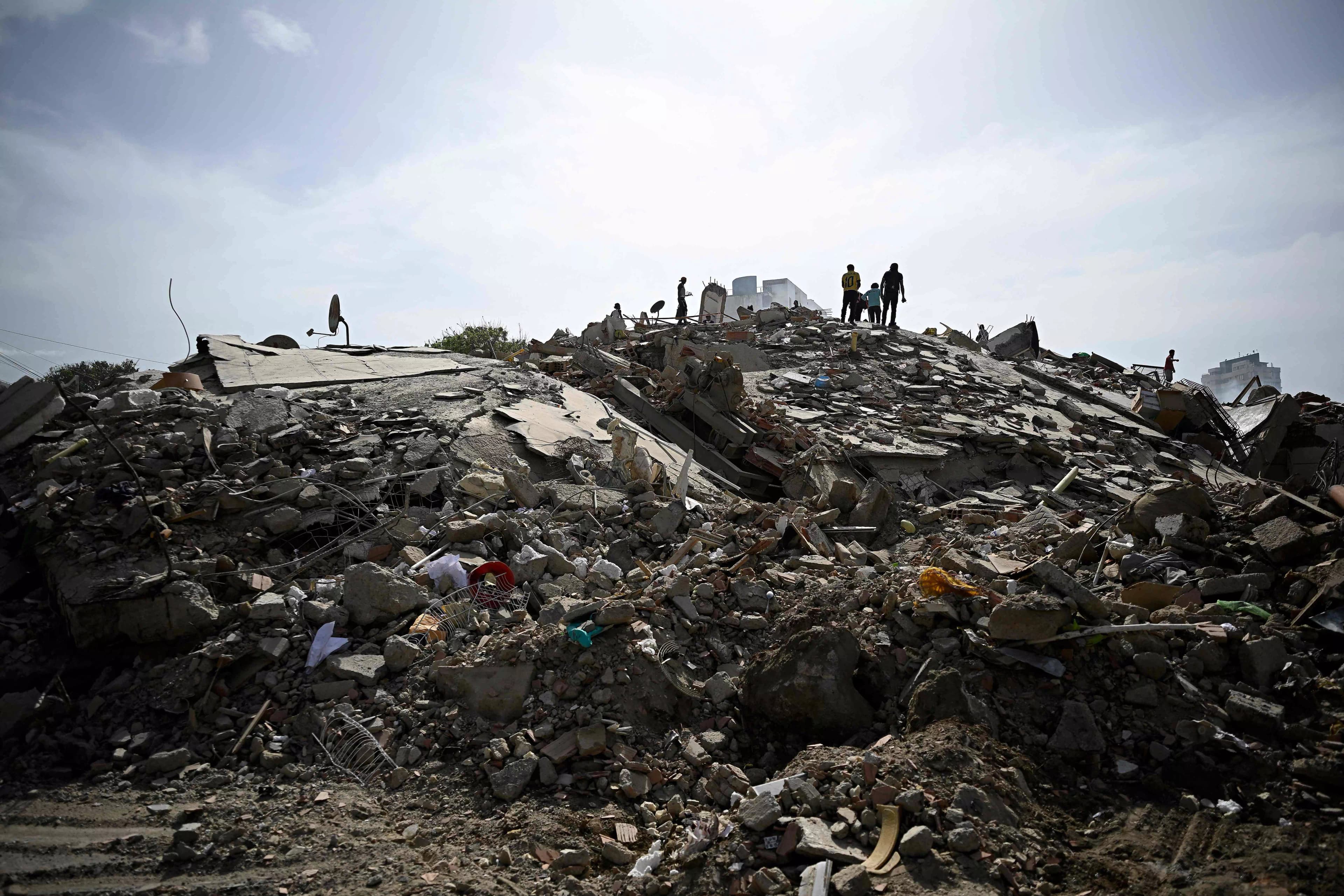
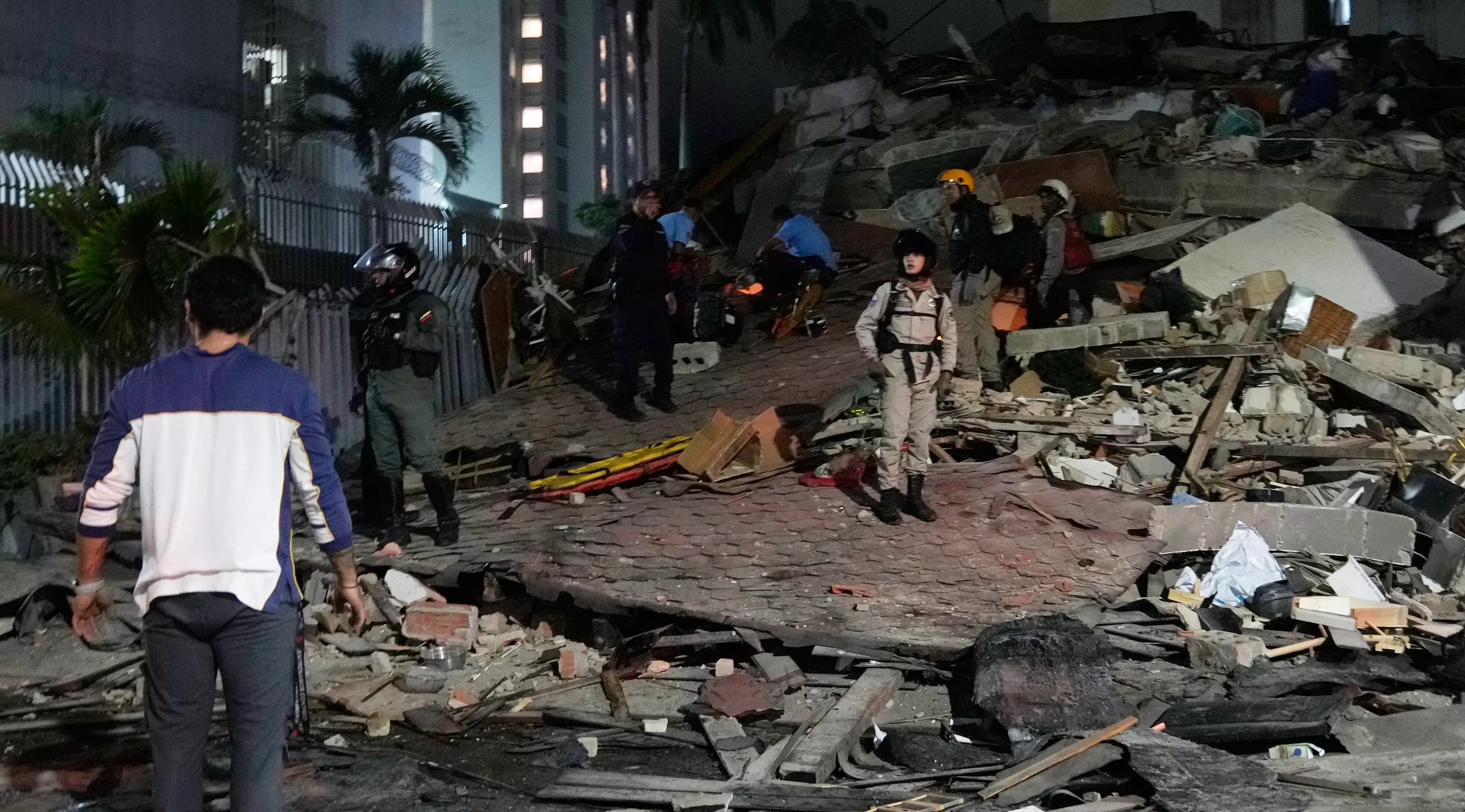
The Venezuela earthquakes that struck on June 24, 2026, have severely worsened an already difficult humanitarian situation in the country. Before these powerful tremors occurred, millions of citizens were struggling to secure basic necessities such as food, medicine, and fuel. Now, the need for emergency shelter, clean water, and medical aid has reached a critical level across the nation.
The scale of the crisis is immense, with reports indicating that over 50,000 individuals are currently unaccounted for. While early estimates mention hundreds of fatalities and thousands of injuries, the full extent of the displacement caused by the collapse of homes remains unclear. For the millions of Venezuelans living abroad, particularly the 1.2 million residing in the United States, this disaster has caused widespread fear as families struggle to re-establish contact with their loved ones back home.
International Response and Logistical Challenges
In response to the tragedy, the international community has pledged significant support. Countries including the United States, Brazil, Germany, Spain, and France have offered to provide essential resources, such as helicopters, aircraft, and logistical equipment to assist in rescue operations. These assets are vital for reaching trapped survivors and managing the immediate aftermath of the disaster.
However, the delivery of this humanitarian aid is facing major logistical hurdles. The country's primary gateway, the Simón Bolívar International Airport, has sustained significant damage. Structural failures, including fallen ceiling panels and widespread power outages, have rendered the facility temporarily inoperable. This disruption threatens to slow down the arrival of critical supplies from global relief organizations like the United Nations World Food Program and the International Red Cross.
Experts in disaster management emphasize that the most effective way for the public to help is by providing financial contributions to established, trusted nonprofit organizations already active within the region. Direct cash donations allow these groups to source supplies locally, which helps bolster the local economy, supports businesses, and avoids the significant delays associated with international shipping. This approach ensures that aid reaches those in need more rapidly while avoiding the logistical complications of importing goods. As recovery efforts continue, the primary goal remains to support the nation's stabilization while navigating the severe infrastructure damage left behind by the Venezuela earthquakes.