Hyderabad Groups Urge Reopening of the Telangana Waqf Board Record Room
Various religious and social organizations in Hyderabad have demanded the reopening of the Telangana Waqf Board record room. The facility has been inaccessible for nine years, creating significant legal and administrative obstacles for the management of local Waqf properties and community assets.

Highlights
- •Religious and community groups demand the reopening of the Telangana Waqf Board record room.
- •The record room has reportedly been inaccessible for nearly nine years, hindering legal proceedings.
- •Mohammed Mushtaq Malik expressed concerns over the lack of regular Waqf Board meetings.
- •Stakeholders blame the restricted access for the loss of crucial legal battles regarding Waqf lands.
In Hyderabad, a collective of religious, social, and community-based organizations has issued an urgent demand for the immediate reopening of the Telangana Waqf Board record room. The call comes amidst growing frustration over the facility being kept locked for nearly nine years, a situation that has reportedly hampered the management and legal standing of various Waqf properties throughout the state.
Impact of Restricted Access to Waqf Board Records
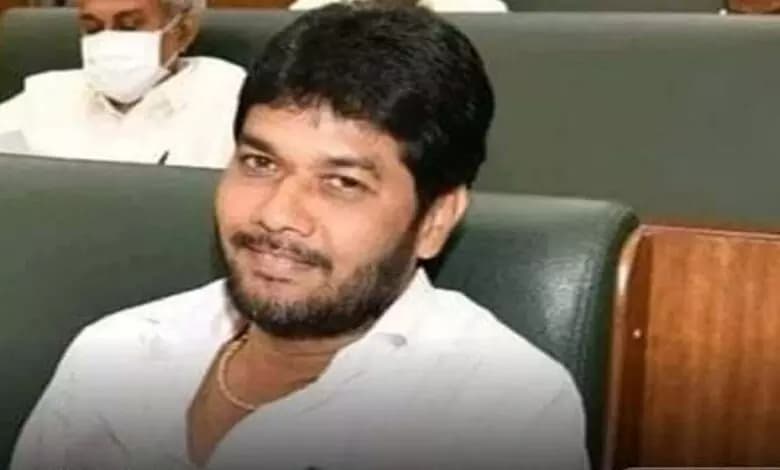
The plea was formalized during a meeting held to address the deteriorating status of Waqf properties in Telangana. Presided over by Mohammed Mushtaq Malik, who serves as the president of Tehreek Muslim Shabban and the Sharia Faisla Board, the gathering brought together a significant assembly of ulema, muftis, legal professionals, and representatives from various mosque management committees.
According to the participants, the continued inaccessibility of the record room has severely obstructed the ability to retrieve critical documentation. This lack of access has created substantial challenges in resolving both legal and administrative disputes. Many attendees questioned the legal justification for keeping these vital archives under lock and key for almost a decade, arguing that the lack of transparency is detrimental to the community.
The records, which were reportedly restricted during the tenure of the previous BRS government in 2017, house essential materials, including gazette copies and other historical documents. Currently, stakeholders are required to seek prior permission from revenue officials to view these files, a process that many believe has contributed to the loss of several legal battles in court.
Calls for Transparency and Efficient Governance
Beyond the issue of the record room, speakers at the meeting expressed deep concern regarding the apparent lack of regular meetings for the Waqf Board. The absence of routine oversight has led to a backlog of pending matters involving dargahs, graveyards, mutawallis, and various mosque management committees. These issues, which require immediate administrative attention, have remained unresolved, causing ongoing frustration among the stakeholders.
The participants emphasized that the efficient functioning of the Waqf Board is essential for the preservation and protection of community assets. They urged authorities to reconsider the existing restrictions and take proactive steps to restore open access to the records, ensuring that committees and legal representatives can adequately fulfill their responsibilities. As the situation persists, the community continues to advocate for a more transparent and responsive management system to safeguard their religious and social heritage against further administrative neglect.