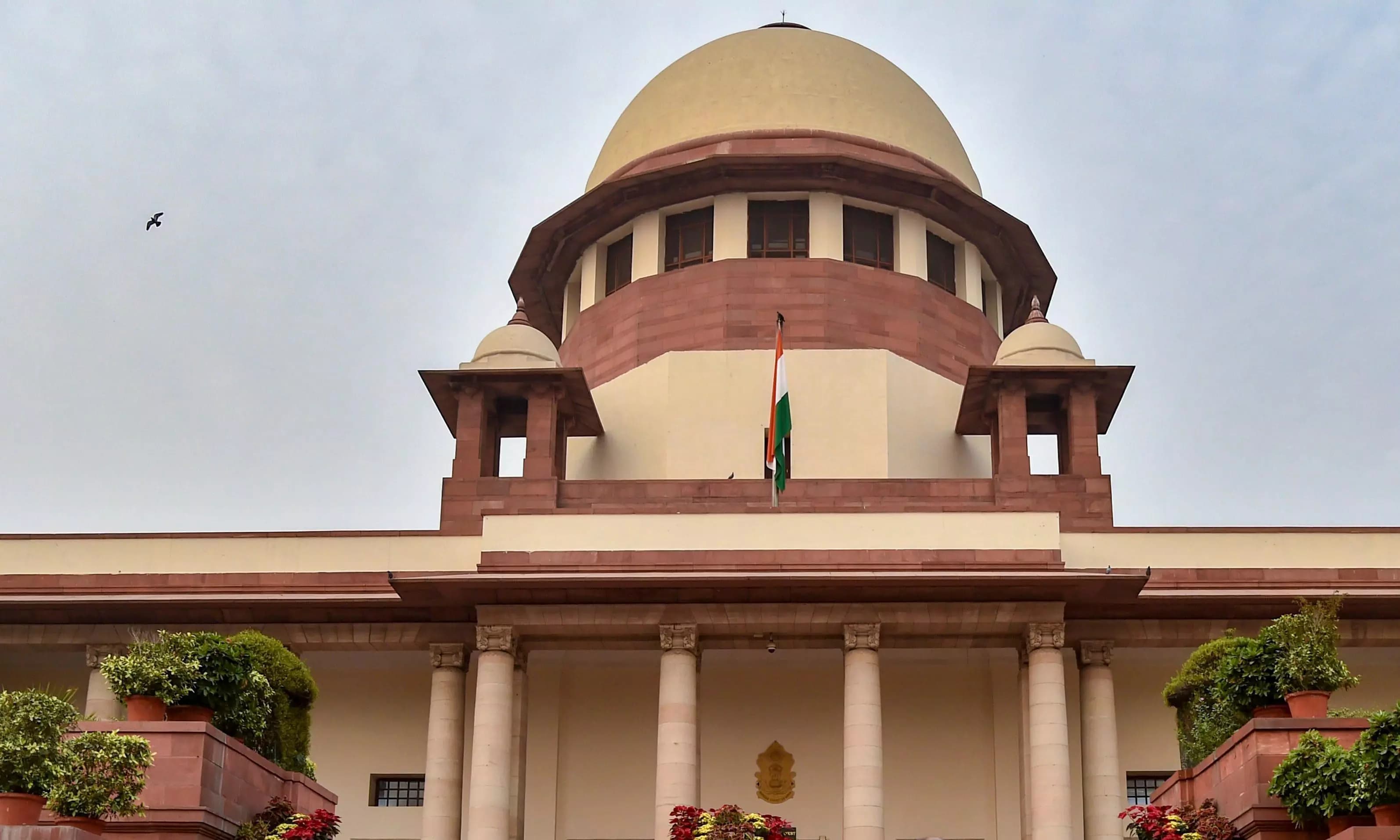
SC: Overqualified Job Seekers Cannot Fill Lower-Qualification Positions
The Supreme Court has ruled against appointing overqualified candidates to positions reserved for those with lower qualifications. This decision ensures fair opportunities for all eligible applicants based on their educational credentials.

Highlights
- •Overqualification: The new ruling prevents high-qualified job seekers from taking up roles designed for less qualified individuals.
- •Court's Ruling: Justices Ahsanuddin Amanullah and R. Mahadevan reversed a Madras High Court judgment reinstating an overqualified bank attendant.
- •Public Employment Integrity: The rulings emphasize the necessity of adhering to qualification criteria for ensuring fairness in public sector appointments.
- •Supporting State Policies: The decision upholds state policies on reserving certain categories of posts to ensure equitable access for candidates.
The Supreme Court of India has issued a ruling that candidates with higher qualifications cannot be appointed to positions reserved for individuals with lower educational credentials. This decision, made by Justices Ahsanuddin Amanullah and R. Mahadevan, clarifies the importance of adhering to qualification criteria in public employment.
The court's stance was set forth while reversing a Madras High Court judgment reinstating a temporary bank attendant who had concealed his graduation certificate to obtain employment suited for candidates with Class 10 qualifications or below. As Justice Ahsanuddin Amanullah stated, 'Public employment must be available to all eligible candidates in accordance with the prescribed qualifications. When a position is meant specifically for candidates possessing lower educational qualifications, permitting someone with higher qualifications to secure such an opportunity inevitably deprives a genuine and deserving candidate of their rightful place.'
According to the ruling, setting upper limits on qualifications enhances opportunities for those who may not pursue higher education. 'The state's policy of reserving certain categories of posts is reasonable and justified as it ensures that these individuals are not forced to compete against more highly-qualified candidates,' noted Justice Mahadevan.
The Implications
'Such a practice consistently upholds the principles of fair public employment, ensuring that all candidates, regardless of their educational background, have equal opportunities based on their eligibility,' they added. The apex court supported the bank's decision to terminate the employment of the employee who had concealed his qualifications.
The new ruling underscores the importance of maintaining strict qualification criteria for various job positions in the public sector, particularly within banks and government institutions where appointments are often closely regulated by policy and law.