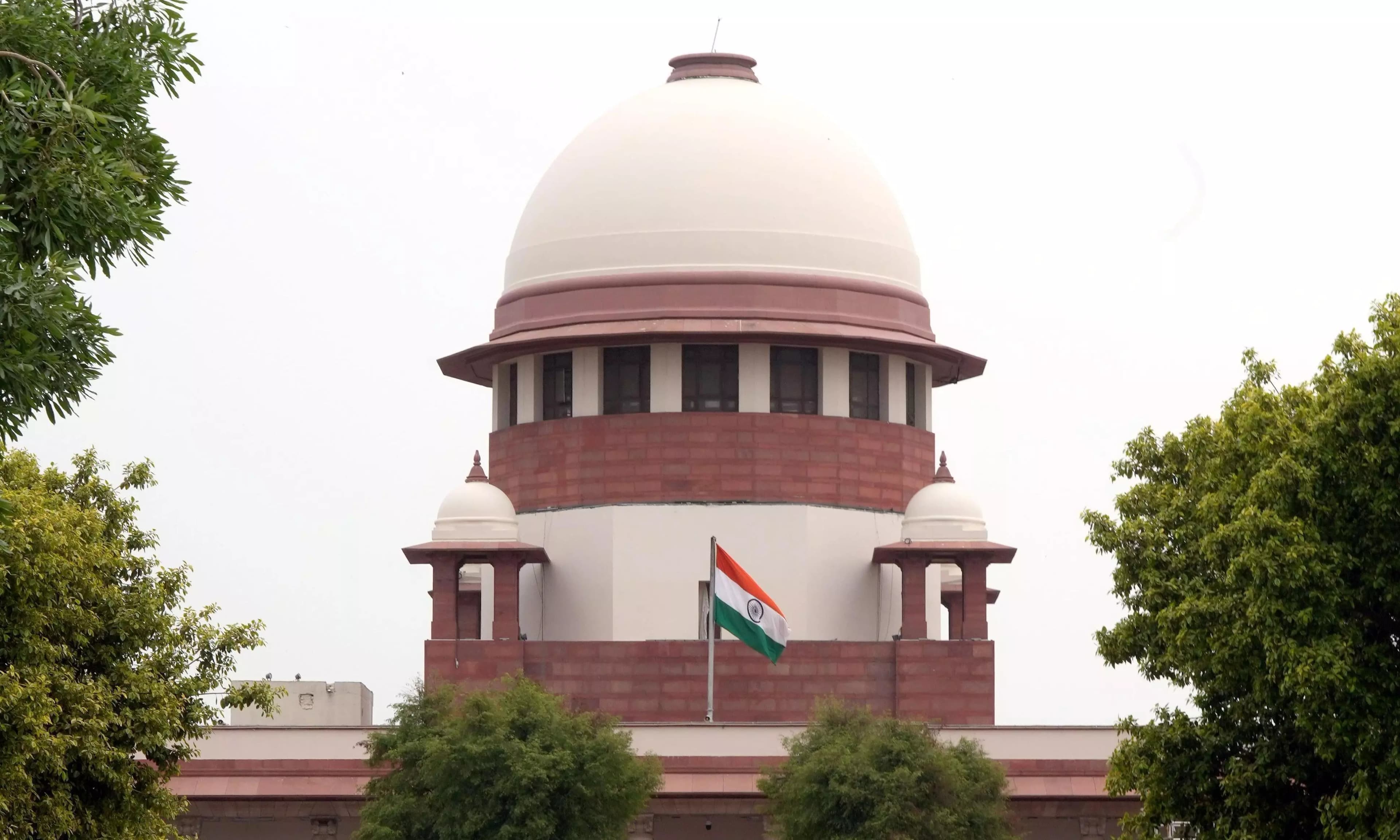
Supreme Court Declines Rule for Time-bound Case Disposal
The Indian Supreme Court has rejected a plea for establishing time-bound case disposal guidelines and uniform adjournment regulations across all courts, maintaining the complexity of judicial processes and governance.
Highlights
- •Supreme Court Rejects Plea for Time-bound Case Disposal
- •Justices Vikram Nath and V Mohana dismissed the plea
- •Seeking Uniform Adjournment Regulations in Indian Courts
- •No Implementation of National Case Flow Management Policy
New Delhi: In a significant legal development, the Supreme Court of India dismissed a plea that sought the framing of guidelines aimed at ensuring time-bound disposal of cases. Justices Vikram Nath and V Mohana refused to entertain the matter brought forward by a lawyer representing the need for uniform, structured, and enforceable adjournment regulations across all courts in the country.
The petitioner's request also encompassed the establishment of a national case flow management policy for implementation throughout the judicial system. The decision
Supreme Court Upholds Current Governance Structure
The denial of this plea underscores the existing governance structure of the Indian judiciary, maintaining flexibility for individual court rulings while aiming to resolve concerns around efficiency and fairness. The focus now will remain on how local courts and higher judicial bodies continue to address these challenges on a case-by-case basis.
Experts argue that while uniform guidelines can streamline processes and reduce delays, such measures must be weighed against the diverse needs of individual cases. The Supreme Court's decision reflects current priorities but leaves room for future reforms based on evolving circumstances within India's legal landscape.