Supreme Court Stays High Court Hearings on Transgender Rights Amendment Act 2026
The Supreme Court has stayed all high court proceedings challenging the Transgender Persons (Protection of Rights) Amendment Act, 2026. The Centre aims to consolidate these petitions to ensure a uniform constitutional ruling on the controversial law.

Highlights
- •The Supreme Court stayed all high court hearings regarding the Transgender Persons Amendment Act, 2026.
- •The Centre sought the transfer of all pending petitions to the apex court to avoid conflicting judicial rulings.
- •The Act is being challenged for potentially violating rights to self-identification, dignity, and bodily autonomy.
- •Petitioners argue the new law contradicts the landmark 2014 NALSA judgment on gender identity.
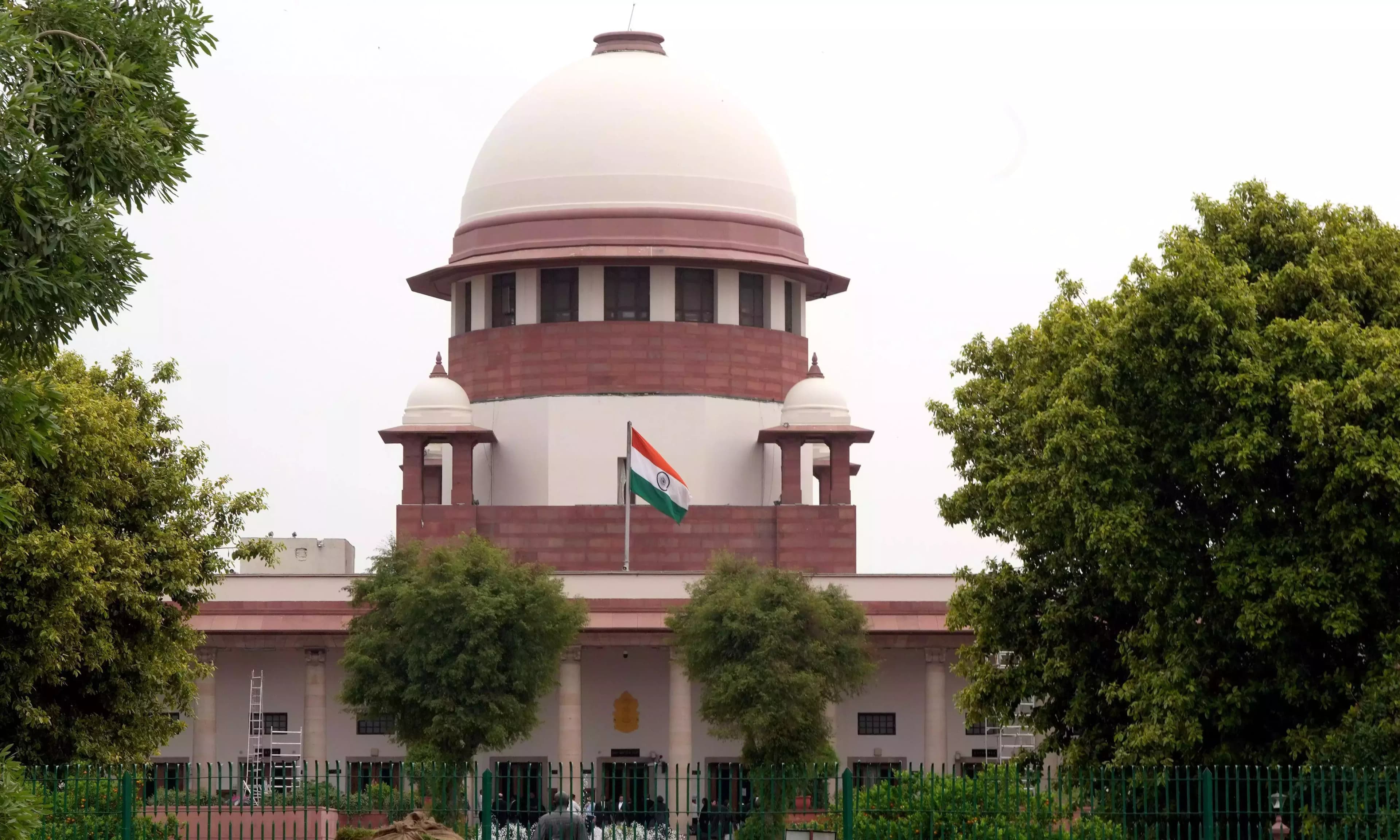
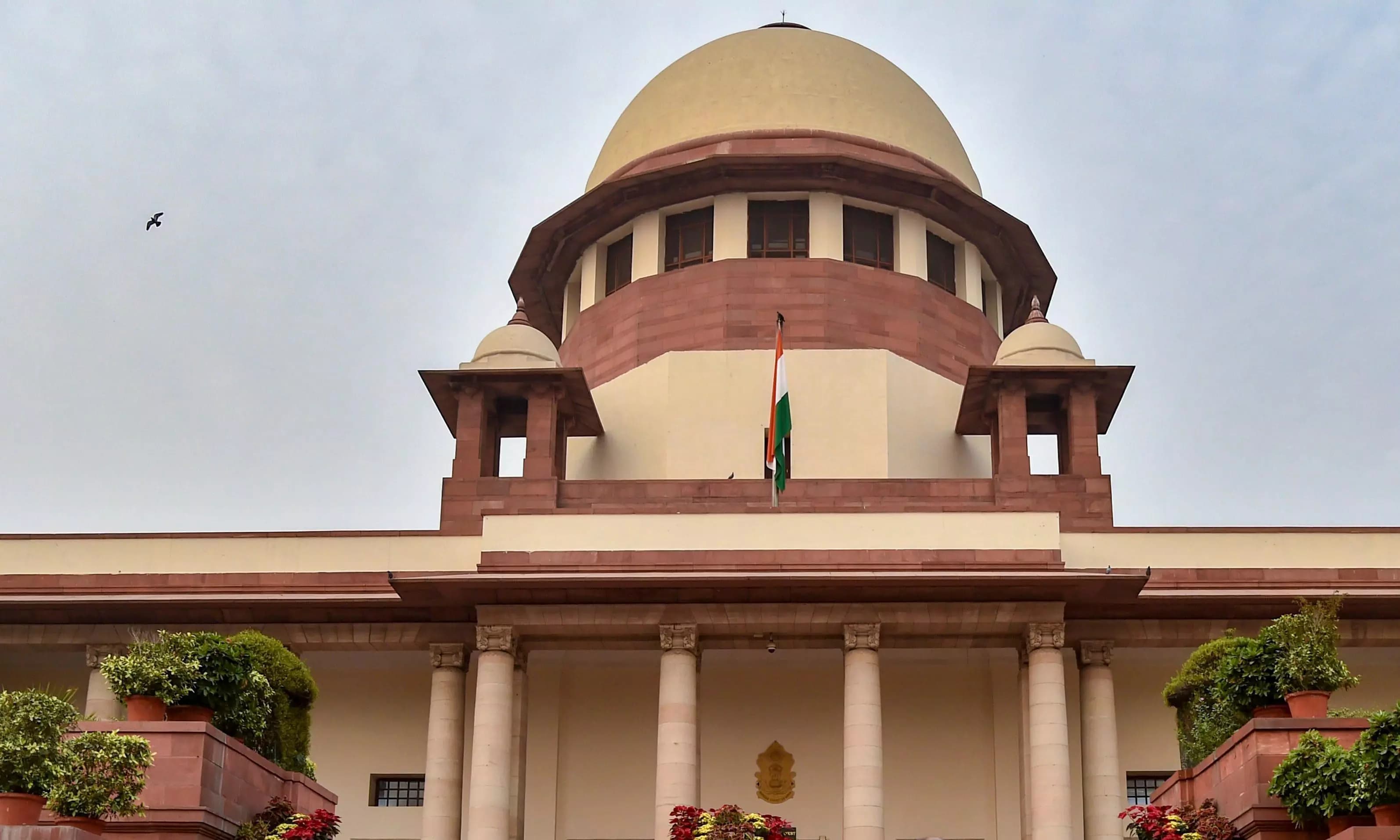
The Supreme Court of India has intervened in ongoing legal disputes concerning the Transgender Persons (Protection of Rights) Amendment Act, 2026. In a significant judicial development, a bench led by Chief Justice Surya Kant and Justice V. Mohana issued an order on Monday to stay all pending proceedings currently underway in various high courts regarding the legislation.
This decision follows an appeal filed by the Central government, which requested the transfer of all active petitions from different high courts to the Supreme Court. The Solicitor General, Tushar Mehta, representing the Centre, emphasized the need for consolidation to prevent the emergence of conflicting judicial rulings. The government argued that since multiple high courts are currently examining the constitutional validity of a central statute, there is a substantial risk of divergent legal interpretations that could cause confusion.
Legal Controversy Surrounding the Amendment Act
The Transgender Persons (Protection of Rights) Amendment Act, 2026, has faced rigorous opposition from various human rights organizations and members of the LGBTQ+ community. The legislation, which received Presidential assent on March 30, 2026, following its passage in Parliament on March 25, has become a focal point of intense legal scrutiny.
A primary grievance expressed by the petitioners concerns the removal of the self-identification concept of gender. Advocates argue that this provision stands in direct contradiction to the landmark 2014 NALSA judgment, which solidified the right of individuals to determine their own gender identity. Furthermore, the 2026 Amendment mandates specific medical or administrative processes for gender recognition. Critics contend that these requirements infringe upon the fundamental rights to personal dignity, individual privacy, and bodily autonomy.
The Supreme Court had previously sought formal responses from the Central government and other relevant parties on May 4, 2026, following the initial filing of these challenges. By staying the hearings in the high courts, the apex court has effectively paused local deliberations until the transfer petitions can be fully addressed. The central issue remains whether the current legislative framework aligns with the constitutional rights afforded to transgender citizens, particularly regarding their autonomy and the right to self-identify their gender.
As the legal battle over the Transgender Persons (Protection of Rights) Amendment Act, 2026 progresses, the judiciary's decision to consolidate these cases is viewed as a crucial step in ensuring a unified and consistent interpretation of the law across the nation.