How Cities Are Using Tourist Taxes to Manage Mass Tourism Effectively
As mass tourism surges, cities like Venice, Rome, and Barcelona are turning to new tourist taxes and entry fees. These fiscal measures aim to regulate visitor flows, protect historical landmarks, and ensure the sustainability of urban living spaces for local communities worldwide.
Highlights
- •Global cities are adopting new tourist taxes and entry fees to manage rising visitor numbers.
- •Venice and Rome have implemented specific access fees for high-traffic areas to reduce mass tourism pressure.
- •Barcelona and Kioto are using innovative traffic and access restrictions to prioritize resident quality of life.
- •Overnight tourist taxes and airport passenger levies remain significant fiscal instruments, despite ongoing debates about their impact.
Global tourist destinations are increasingly implementing tourist taxes and entry fees as a strategic response to the challenges of mass tourism. From iconic European landmarks to historic districts in Asia, authorities are introducing these financial measures to manage visitor influx, preserve cultural heritage, and improve the quality of life for local residents.
Managing Mass Tourism Through Fiscal Policy
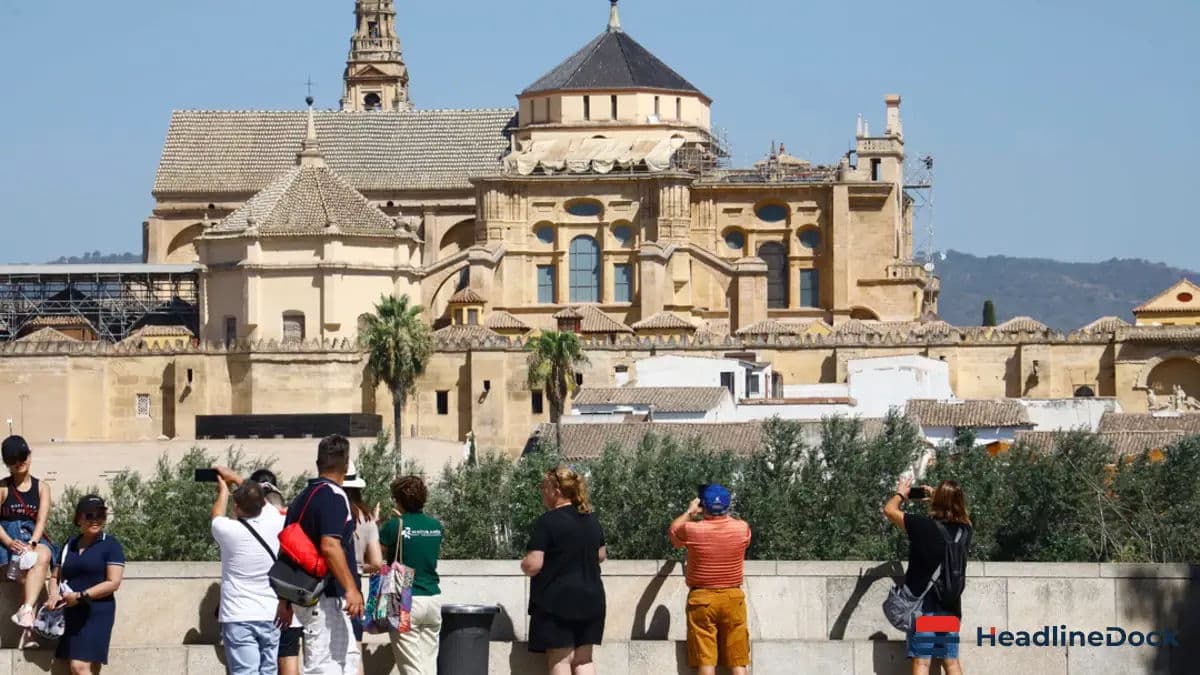
The travel industry, encompassing transportation, hospitality, and dining, already contributes through general tax systems like value-added tax and income tax. However, specialized tourist taxes, including accommodation levies, passenger fees, and access charges, are becoming more common. These measures aim to regulate access to sensitive urban areas during peak congestion times. While some view these fees as essential tools for managing the physical and social pressure of high-volume tourism, others express concerns regarding the potential privatization of public spaces or the limitation of movement.
Venice serves as a prominent urban laboratory for these policies. In 2024, the city introduced a payment model for day-trippers to enter its historic center, partly to address concerns from international heritage organizations regarding over-tourism. During that inaugural year, nearly half a million individuals participated in the program, generating 2.24 million euros in revenue. The local government emphasizes that the goal is not to stop arrivals, but to redistribute visitor traffic and enhance urban habitability.
In Rome, a symbolic entry fee of two euros was established in February 2026 for the area immediately surrounding the Fontana di Trevi. This measure helps order the flow of visitors, which can reach 70,000 daily during high season. The revenue generated, totaling over 435,000 euros in the first month, is earmarked to provide free museum access for city residents.
Global Approaches to Urban Congestion
Similar strategies are evident in other world-famous sites. Barcelona’s Park Güell has utilized entry controls for years to manage its monumental zone. More recently, the city took unique steps to reduce tourist pressure on surrounding neighborhoods, including removing specific bus routes from digital navigation maps to prioritize local commuters. Meanwhile, in Kioto, the historic Gion district has implemented restrictions on access to residential alleys and introduced fines for inappropriate behavior to protect the traditional lifestyle of its inhabitants.
Furthermore, the tourist tax applied to overnight stays remains a common fiscal tool across many regions. In Spain, the model has expanded from its initial implementation in Catalonia to regions like the Balearic Islands, Galicia, and the Basque Country. These taxes are typically calculated based on the type of accommodation and length of stay. Although widely adopted, debates persist regarding their impact on destination competitiveness and equity, as they often target regulated lodging while leaving informal markets largely unaffected.