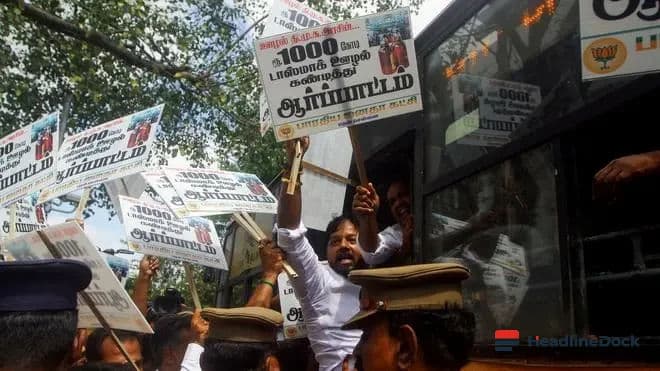
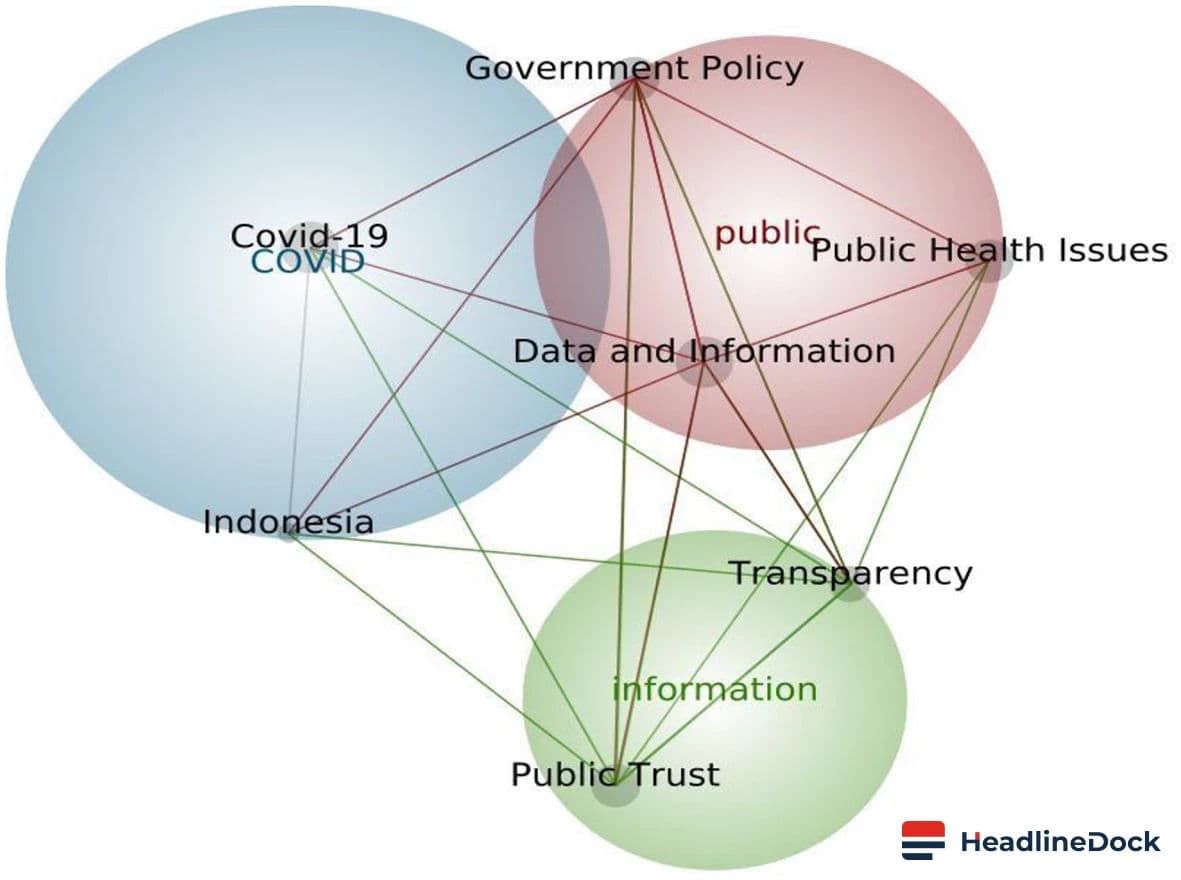
Why Government Policy Often Fails to Successfully Change Public Behavior
Government programs often fail to change public behavior despite massive funding because they prioritize information over practical accessibility. By applying behavioral science—specifically the COM-B framework of capability, opportunity, and motivation—policymakers can design more effective systems that address the actual barriers citizens face in daily life.
Highlights
- •Massive government budgets for health and waste management often fail to deliver expected behavior changes.
- •Behavioral science research indicates that information alone is insufficient to change deep-rooted human habits.
- •The COM-B model identifies capability, opportunity, and motivation as the three requirements for successful behavioral transformation.
- •Policymakers must move beyond awareness campaigns and improve access, simplicity, and environmental support for citizens.
Understanding government policy failure is crucial because, despite massive annual allocations, many public programs struggle to fundamentally alter human behavior. Whether it involves health initiatives or waste management, the disconnect between well-funded campaigns and actual societal change remains a significant challenge for policymakers. Simply providing information does not guarantee that citizens will adopt recommended practices.
For instance, billions of rupiah are directed toward critical areas, such as the Ministry of Health, which received a budget of Rp2.1 trillion for child immunization. Additionally, significant funds—roughly Rp66.5 trillion—are allocated for BPJS Kesehatan subsidies for low-income citizens, alongside Rp70 billion for community-based waste management programs. Despite this investment, the outcomes are often underwhelming. Child immunization coverage in the country remains at 85%, failing to reach the 95% target set by the World Health Organization (WHO). Similarly, 23 million BPJS Kesehatan participants are currently in arrears, totaling Rp14 trillion, while nearly half of the nation's rivers continue to suffer from severe pollution due to improper waste disposal.
The Gap Between Awareness and Action
The core issue lies in the faulty assumption held by many policymakers: that providing sufficient information will automatically lead to behavioral changes. This belief often results in the repetition of unsuccessful strategies, such as increasing the number of banners, advertisements, and awareness campaigns. However, established research in behavioral science, including studies by Nobel laureate Daniel Kahneman, confirms that human decision-making is rarely purely rational. Instead, choices are heavily influenced by habits, emotions, social norms, and the convenience of the surrounding environment.
Essentially, possessing knowledge is not the same as acting upon it. Most citizens understand that littering or neglecting health contributions is problematic, yet these behaviors persist because the structure of the program often fails to address the underlying context. Government policy failure is frequently a matter of design, not a lack of civic awareness among the population.
Designing Effective Behavioral Change
To foster genuine progress, authorities must look beyond awareness and address the practical realities of daily life. The COM-B framework, developed by researchers such as Susan Michie, highlights that behavioral change requires three essential components: capability, opportunity, and motivation. Citizens need the practical skills to execute a task, an environment that provides the necessary access or infrastructure, and strong personal or social motivation.
If the process of paying health premiums is overly complex, or if waste disposal facilities are unavailable, even the most motivated citizens will struggle to comply. Therefore, instead of focusing solely on communication, the state must prioritize creating supportive systems. By understanding the psychological and environmental factors that govern human decisions, policymakers can create frameworks that facilitate long-term, sustainable improvements in public behavior.