The Invisible Barriers Facing Migrant Workers During the Regularization Process
The regularization of migrant workers in Spain faces significant hurdles, particularly for women in the domestic care sector. Despite legal frameworks like ILO Convention 189, many remain isolated and unable to access vital administrative paths to legal residency and employment rights.
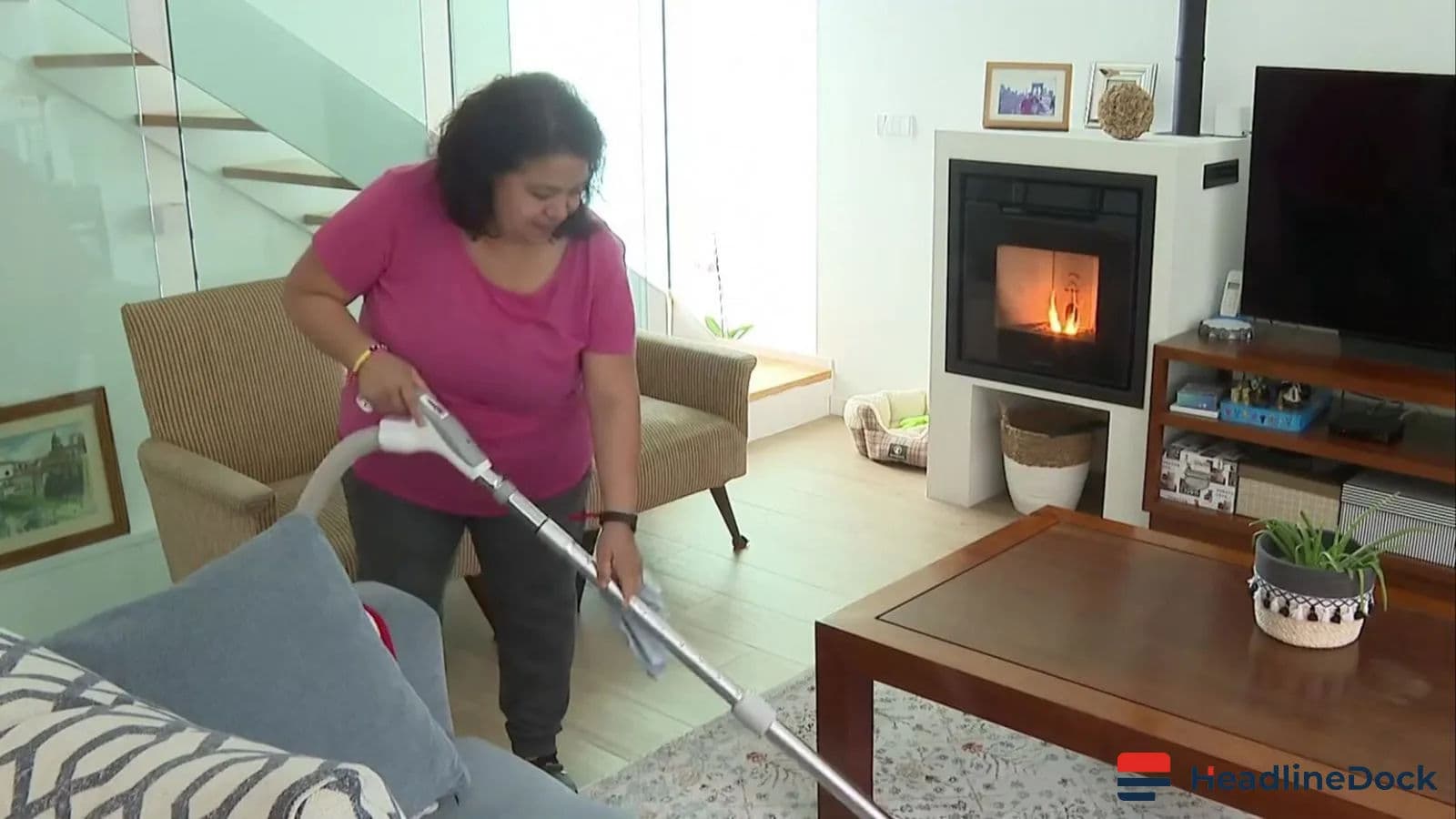
Highlights
- •Migrant women in Spain are heavily concentrated in the informal domestic and caregiving sectors.
- •The organization Mujeres Pa'lante reports that only 1% of their recent consultations involved live-in domestic workers.
- •Live-in workers face significant barriers to regularization due to isolation, limited free time, and lack of resources.
- •Advocates argue that intersectional, accessible strategies are essential for a successful and equitable regularization process.
The regularization of migrant workers has been championed by various social and feminist organizations as a pivotal step toward achieving greater social justice. This process is not merely about obtaining legal work and residency permits; for many individuals, it represents a crucial transition out of administrative invisibility, granting them the ability to exercise fundamental rights under safer, more secure conditions. As the deadline of June 30 for the current extraordinary regularization process nears, concerns are rising regarding who is successfully navigating these administrative barriers.
Barriers Facing Migrant Domestic Workers
For feminist advocates, this initiative holds a specific focus on gender equity. Data indicates that migrant women are disproportionately concentrated in highly precarious sectors, particularly domestic employment and caregiving. According to the report Invisible Work and Broken Bodies, approximately 565,000 individuals are employed within this sector in Spain, with 87% being women and roughly 32% operating within the informal economy. For these individuals, a lack of legal documentation exacerbates economic dependency, increases the risk of exploitation, and limits access to essential social protections.
The association Mujeres Pa'lante, a key organization providing support to migrant women in Barcelona and L'Hospitalet, has processed 6,185 consultations regarding the current regularization cycle. Notably, only 18.7% of those assisted were women, and a mere 70 individuals were identified as live-in domestic workers—a figure representing barely 1% of total engagements. These statistics highlight profound challenges in reaching the most vulnerable members of the workforce.
Addressing Systemic Challenges for Equality
Live-in domestic workers face unique forms of isolation, often living within their employer's residence with limited personal time and scarce resources to manage complex administrative requirements. While Spain has taken steps to recognize these rights—notably through the ratification of the ILO Convention 189, effective as of 2024—the transition from formal recognition to practical application remains fraught with difficulty. The fundamental challenge lies in the reality that the right to regularize is not equivalent to the capacity to do so.
If the goal of the regularization of migrant workers is to achieve meaningful social equality, authorities must adopt more intersectional strategies. Simply publishing online information is insufficient. Effective outreach requires collaboration with community-based entities, the establishment of weekend support services, and specialized campaigns directed at both migrant employees and the households that employ them. Only by acknowledging the specific conditions under which these workers live can society ensure that the process of regularization truly serves to protect those who provide essential care services.