Could Public Grocery Stores Solve Canada’s Ongoing Food Affordability Crisis?
As grocery prices surge, the debate over public grocery stores grows. Proponents view them as essential for food security and competition, while critics raise feasibility concerns. Beyond government-run shops, community-led solidarity models in Canada offer a proven, dignified path toward a more resilient, accessible food system.
Highlights
- •Toronto has initiated a municipal grocery store pilot program to tackle food access issues.
- •Supporters argue public grocery stores provide a necessary alternative to corporate-controlled food systems.
- •Critics cite concerns over the feasibility, costs, and lack of government experience in retail.
- •Community-led models like solidarity stores are proving successful in improving local food security.
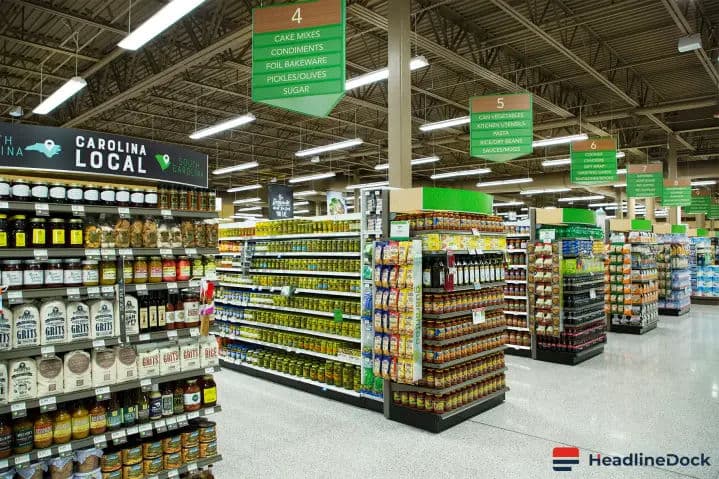
As food costs continue to rise across the nation, there is growing interest in public grocery stores as a potential solution to corporate price gouging and food insecurity. Recent initiatives, such as the Toronto city council's March 2026 approval of a municipal retail pilot program, highlight an intensifying debate over how governments can intervene to ensure better food access for citizens.
The push for government-managed food retail is gaining momentum. In the United States, New York has moved toward city-run markets, while in Canada, political figures like NDP Leader Avi Lewis have advocated for a comprehensive national strategy to introduce public grocery alternatives. Proponents argue that the current market, heavily controlled by a few dominant corporate chains, has failed to protect consumers from inflation and limited healthy food choices.
The Debate Over Public Grocery Stores
Critics of the public grocery stores model express significant skepticism regarding the ability of governments to manage retail operations effectively. These opponents frequently point to the complexities of supply chain logistics and the slim profit margins inherent in the food industry. They argue that government intervention could lead to tax burdens rather than actual affordability, questioning whether such models can truly compete with established private retailers.
However, supporters maintain that framing the discussion solely around profit margins misses the larger issue of systemic instability. An overly consolidated food retail sector is vulnerable to disruptions, and many argue that food should be treated as a public good, similar to essential infrastructure like public transit or roads. By diversifying the landscape, policymakers could build a more resilient system.
Community-Led Retail Models as a Solution
While municipal stores are one approach, Canada already hosts various successful community-led initiatives. Solidarity stores, which became prominent in the 1980s, offer a blueprint for social enterprise. These organizations prioritize community governance, job training, and support for local farmers. In Montréal, initiatives like the Carte Proximité program have demonstrated tangible results, significantly reducing food insecurity among thousands of participants.
Beyond local retail, experts suggest that governments should focus on supporting the broader infrastructure that enables these alternatives to thrive. This includes investing in public wholesale operations and regional procurement systems that benefit a wide range of independent retailers. Strengthening regulations to prevent further corporate concentration, such as the acquisition of independent chains like Mayrand Entrepôt by larger entities like Empire/Sobeys, remains a critical policy priority.
Ultimately, the goal is to create a food system that prioritizes public well-being over corporate dominance. By fostering diverse, locally rooted models and investing in essential supply chain support, governments can ensure that healthy food remains accessible to all citizens, moving beyond temporary political campaigns toward long-term resilience.