Indonesia's B50 Mandate: Could It Trigger Another Cooking Oil Crisis?
Indonesia's upcoming B50 biodiesel mandate aims to reduce fossil fuel dependency but risks destabilizing the domestic cooking oil supply. Experts warn this could trigger food inflation and negatively affect women, who bear the primary burden of household food management and precarious labor conditions.
Highlights
- •The government is launching the B50 mandate to cut fossil fuel imports by utilizing 50% palm-based biodiesel.
- •Increased demand for CPO in fuel production threatens to reduce supply for essential food items like cooking oil.
- •Historical data from the 2022 cooking oil crisis suggests that aggressive biodiesel policies can lead to severe domestic shortages.
- •Women are disproportionately affected by rising food prices and face harsh working conditions in monoculture palm plantations.
The Indonesian government is preparing for the implementation of the B50 biodiesel mandate, an initiative designed to bolster energy independence by reducing reliance on imported fossil fuels. Starting this July, this policy aims to replace 50% of diesel fuel with plant-based alternatives. However, the policy has sparked significant concerns regarding potential market volatility, food security, and the disproportionate impact on women.
Risks of the B50 Mandate and Potential Food Inflation
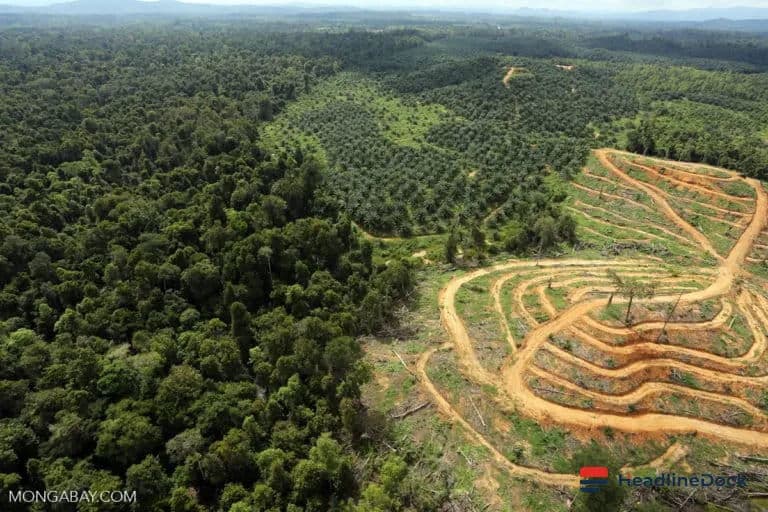
The core of the B50 biodiesel mandate relies heavily on the availability of crude palm oil (CPO). Experts warn that the massive demand generated by this policy could lead to increased deforestation and pressure on land use. More critically, there is a substantial risk that diverting CPO toward fuel production will tighten supplies for domestic food products, specifically edible oil. This echoes the instability experienced during the 2022 cooking oil crisis, where global price spikes triggered domestic shortages, long queues, and severe economic hardship for the public.
The economic implications of B50 extend beyond macro-level statistics. Because Indonesia’s palm oil industry is dominated by large-scale monoculture plantations, local communities often find their traditional livelihoods displaced. This forces a reliance on market-purchased food, making households highly vulnerable to price fluctuations in staples like cooking oil.
The Disproportionate Burden on Women
Women are anticipated to bear the heaviest burden under the new B50 biodiesel mandate. In many households, traditional gender roles assign the responsibility of managing daily food consumption and family budgets to women. When inflation causes the price of essential items such as cooking oil to rise, it is women who must navigate the resulting financial constraints, often resorting to extreme measures or seeking precarious, low-paying labor to ensure family survival.
Furthermore, research indicates that the palm oil industry utilizes gender-based hierarchies in its labor practices. Many women working in monoculture plantations are employed as informal, day-laborers without basic protections like health insurance, maternity leave, or adequate safety equipment. These BHL (daily casual laborers) often fall outside official company records, leaving them highly vulnerable to occupational hazards. As the government continues to pursue B50, there is an urgent call for authorities to include women in policy-making processes. Rather than viewing them solely as end-consumers, policymakers must recognize women as primary stakeholders who are currently being marginalized by the industrial shift toward bio-energy.