How the 2026 FIFA World Cup Forces Rapid Municipal Regulatory Changes
The 2026 FIFA World Cup has prompted North American cities to mobilize massive funding and regulatory changes. This rapid response to global event demands reveals that municipal inaction on local issues like housing and transit is often a political choice rather than a lack of capacity.
Highlights
- •Host cities in Canada and the U.S. have committed over $1 billion in public funds for the 2026 FIFA World Cup.
- •Municipal governments are implementing sweeping bylaw changes, including noise and waste policy exemptions, to meet strict FIFA requirements.
- •Critics note that local infrastructure and social programs often face funding deficits while massive budgets are unlocked for global mega-events.
- •The ability of cities to accelerate regulatory processes for corporate interests highlights that municipal inaction is often a matter of political choice.
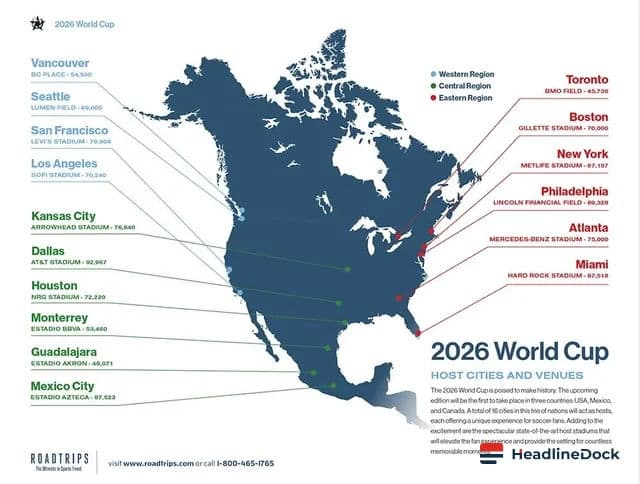
As the 2026 FIFA World Cup commences, millions of global soccer enthusiasts are turning their attention toward the 16 host cities across Canada, Mexico, and the United States. Large-scale sporting events often necessitate substantial public financial investments and rapid regulatory adjustments. To fulfill the strict requirements set by FIFA, major North American urban centers have redirected hundreds of millions of dollars, suspended local bylaws, and completely reorganized infrastructure to accommodate only a few matches.
The FIFA World Cup infrastructure demands have sparked a debate regarding municipal governance agility. While city administrations frequently claim they lack the legal powers or budget to address urgent local issues, the rapid mobilization for this event proves that such inaction is often a political choice rather than an unavoidable constraint. When motivated by international prestige or corporate pressure, cities have demonstrated a remarkable ability to expedite processes that usually face gridlock.
Infrastructure and Policy Adjustments
The financial commitments are staggering. Toronto has pledged $178.6 million, while Vancouver has allocated over $320 million from municipal budgets. Across all levels of the Canadian government, public expenditure has reached more than $1 billion—roughly $82 million per match—excluding potential cost overruns. These figures highlight the massive scale of FIFA World Cup funding and the priority placed on these international spectacles.
Beyond the fiscal impact, cities have enacted broad regulatory shifts. Toronto authorized temporary exemptions to existing bans on plastic water bottles and extended noise ordinance hours in public spaces. Similarly, Vancouver implemented a specialized bylaw to streamline approvals for temporary structures such as tents and shipping containers. Furthermore, local bylaw officers have been tasked with enforcing strict commercial trademark protections on behalf of the organization, including the temporary renaming of iconic venues like BMO Field.
While organizers emphasize tourism and cultural prestige, the tangible economic benefits remain a subject of skepticism among experts. Historically, post-event analyses suggest that such investments often shuffle existing tourism spending rather than generating entirely new economic activity. The willingness of municipal leaders to prioritize these demands over local concerns, such as the cancellation of community festivals due to permit hurdles, raises questions about the prioritization of urban policy.
A Pattern of Municipal Selectivity
Scholars frequently describe this phenomenon as an urban state of exception. When global entities—whether sports leagues, multinational developers, or major tech companies—request concessions, cities often bypass normal channels of public scrutiny and suspend standard regulations. This behavior is not limited to sports; similar patterns have been observed in corporate competitions for headquarters or the rapid development of large-scale data centers. If municipal governments can exhibit such regulatory flexibility for international events, the precedent suggests they possess the latent capacity to address domestic challenges like affordable housing and transit expansion with similar urgency.