Frustration Mounts in Venezuela as Earthquake Death Toll Reaches 1,430
A devastating 7.2 and 7.5 magnitude earthquake in Venezuela has left 1,430 dead and nearly 69,000 missing. Tensions are running high in La Guaira as citizens criticize the government's slow response while international rescue teams work to locate survivors under difficult conditions.
Highlights
- •The death toll from the 7.2 and 7.5 magnitude earthquakes in Venezuela has reached 1,430.
- •Approximately 68,900 people are officially reported missing across the affected regions.
- •Local residents have expressed significant frustration with the perceived lack of effective government response.
- •International rescue teams from several countries are assisting in the ongoing search for survivors.
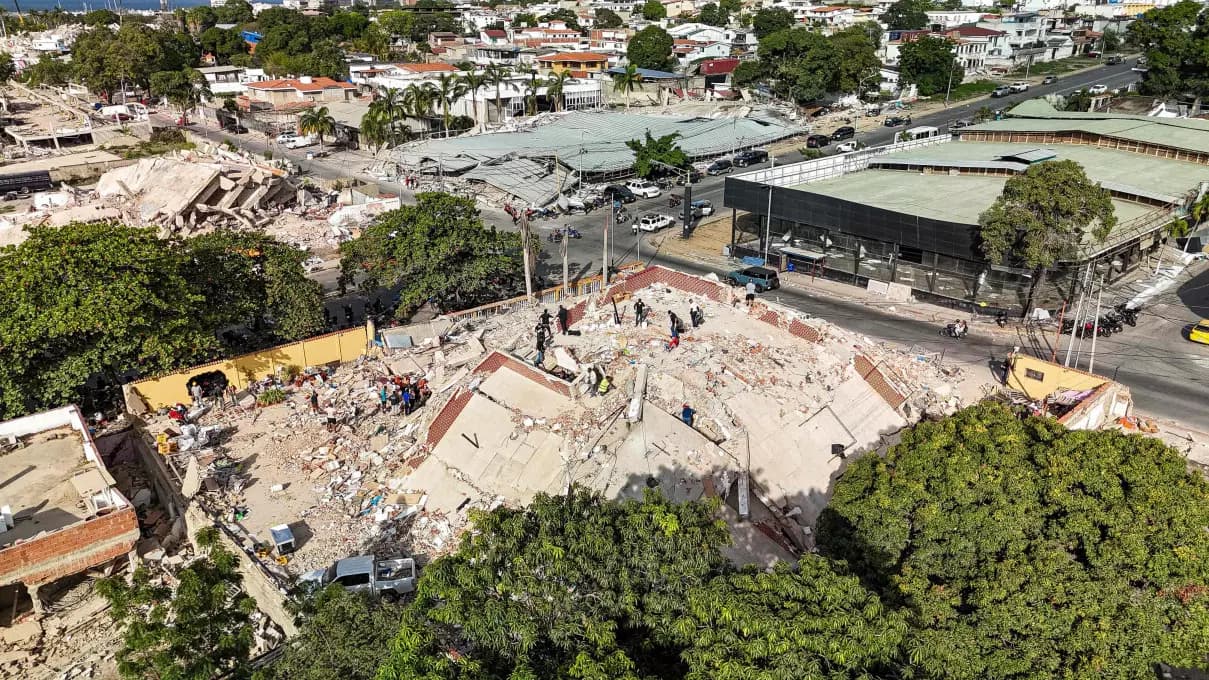
Tensions are rapidly escalating in Venezuela following a catastrophic earthquake that has claimed the lives of 1,430 people. As rescue operations intensify in the hard-hit state of La Guaira, local residents and authorities are grappling with an overwhelming disaster that has left approximately 68,900 individuals reported missing. Three days after successive tremors of 7.2 and 7.5 magnitude struck, the situation on the ground remains dire.
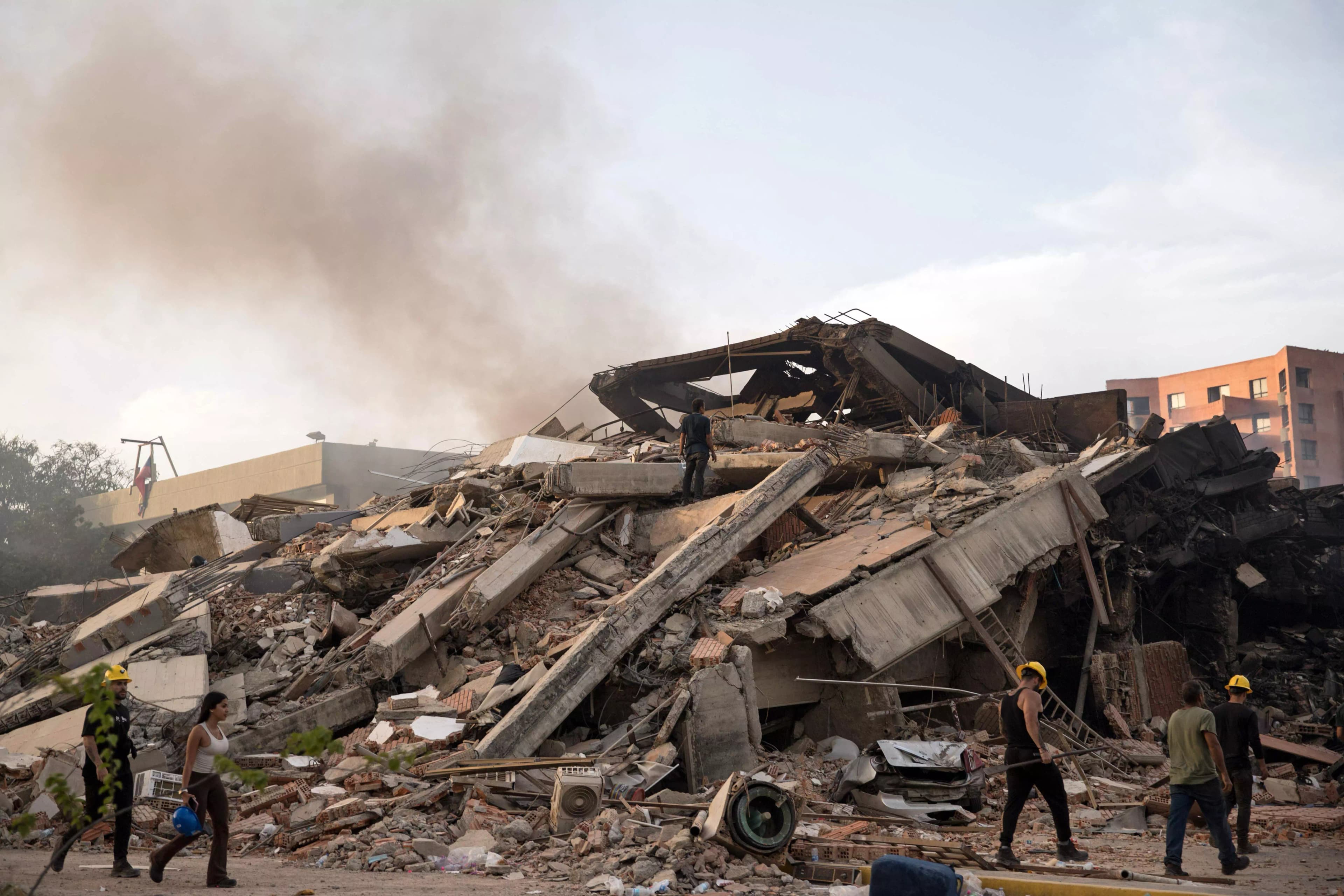
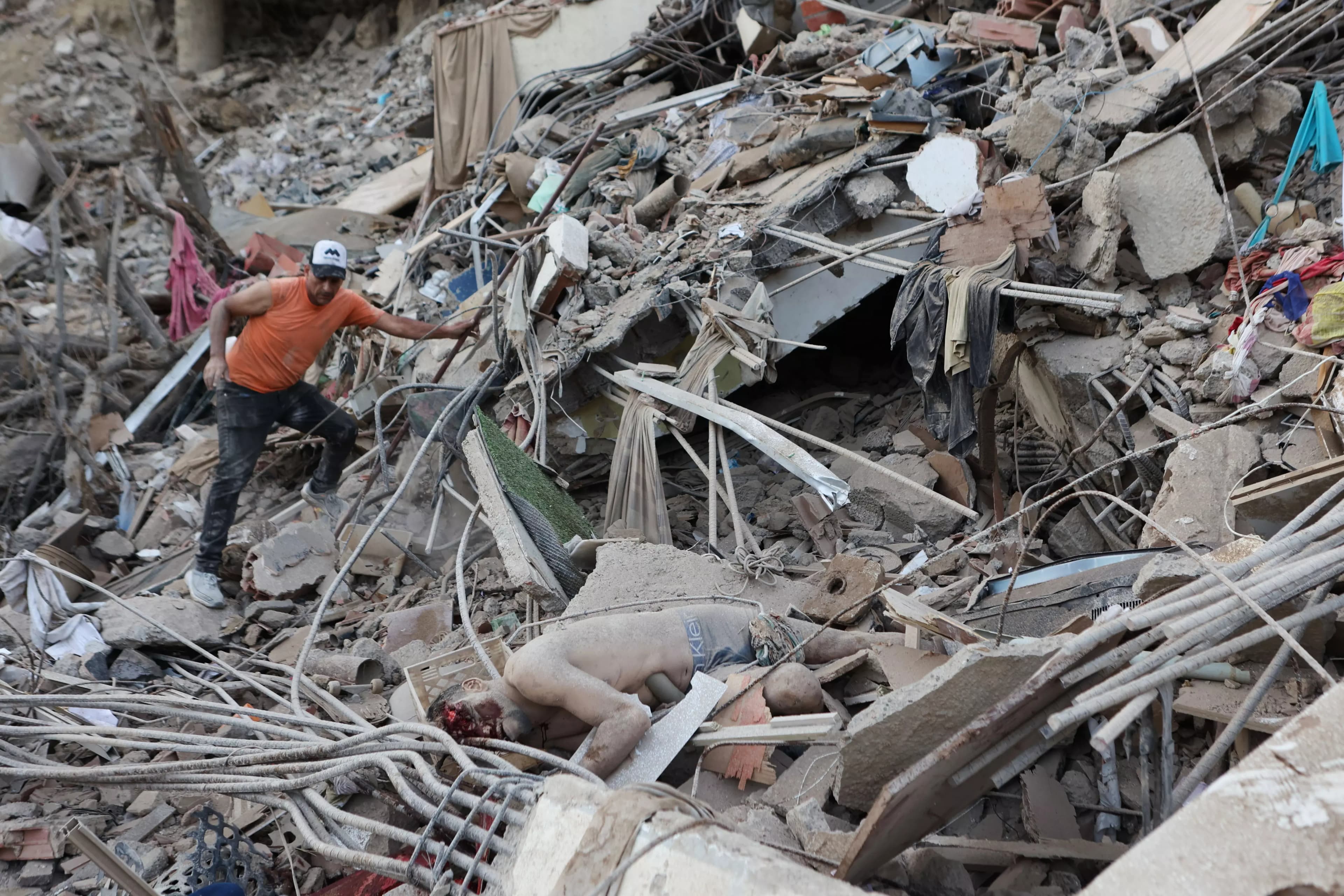
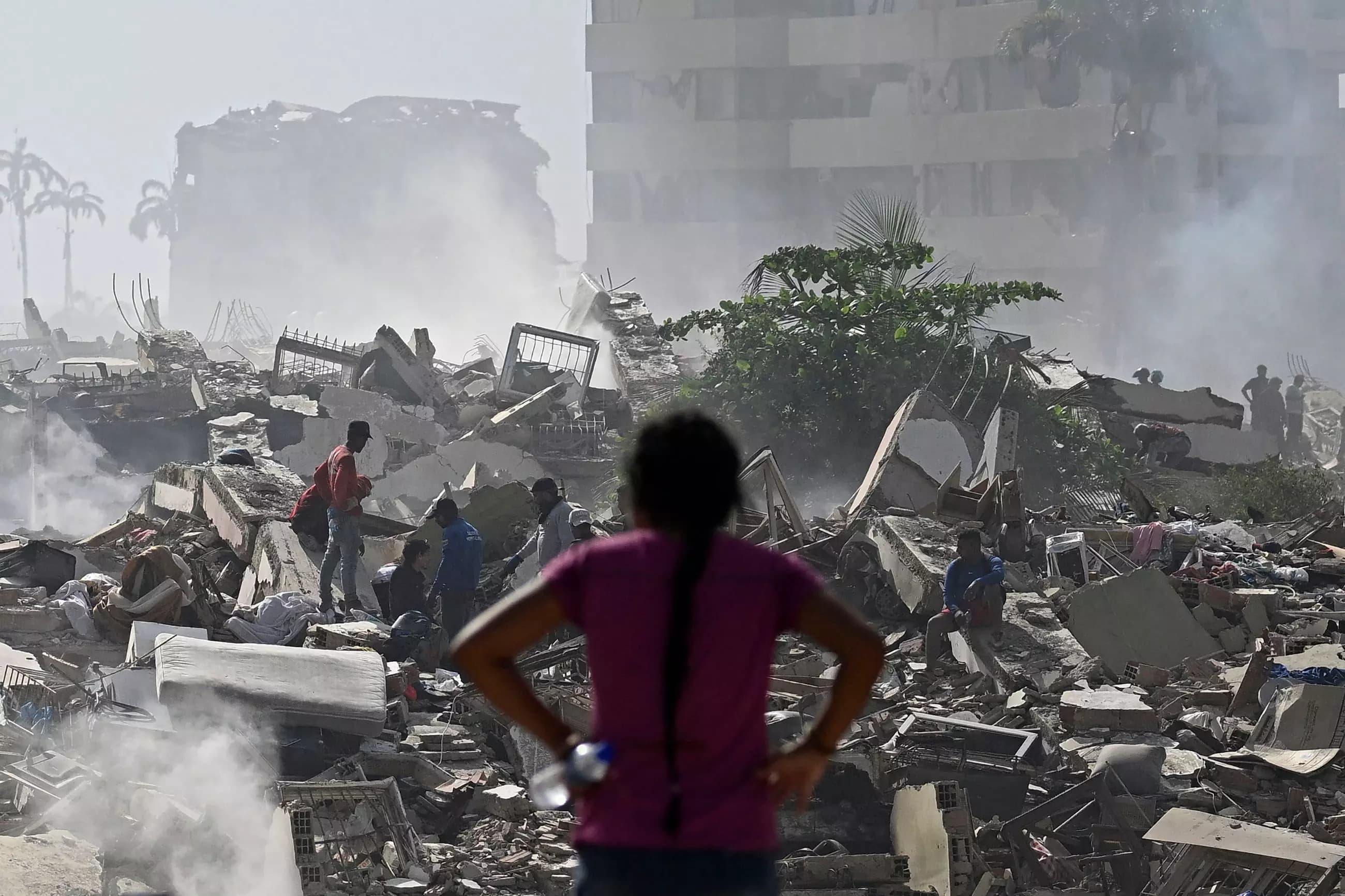
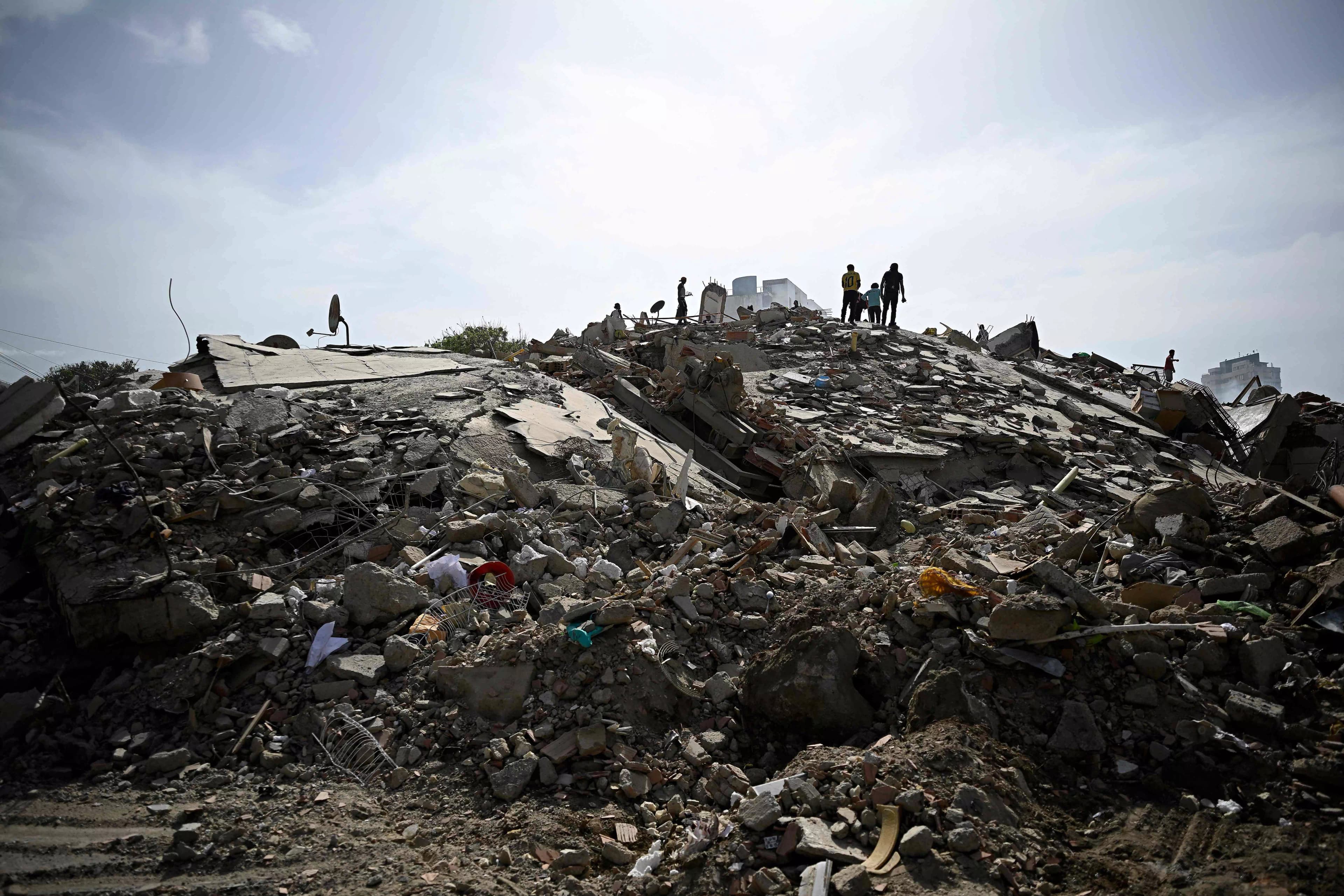
In the coastal town of Caraballeada and surrounding areas, civilians are laboring tirelessly alongside international emergency teams. Utilizing basic tools such as shovels and heavy machinery, they are manually clearing mounds of debris in a desperate race against time to uncover survivors. While international support from nations including Mexico, the United States, and Brazil has provided a glimmer of hope, deep-seated frustration is mounting among the local population regarding the official government response.
Growing Frustration Over Government Relief Efforts
Many citizens, who have spent days searching through the rubble of flattened concrete buildings, argue that state-led efforts have been insufficient and poorly coordinated. Survivors and grieving families have expressed anger, claiming that government personnel, including military and police units, have failed to provide meaningful aid, often focusing more on appearances than actual search-and-rescue operations. This sentiment was echoed by residents like Mileidy Romero, who voiced concerns over delayed recovery efforts and the visible lack of urgency from state officials.
The operational challenges are immense, with Simon Bolivar International Airport suffering significant damage, complicating the arrival of critical aid and rescue personnel. Although Acting President Delcy Rodriguez has stated that thousands of security personnel have been deployed to the affected zones, many on the ground report a stark contrast between these official claims and the reality of the disaster sites. The atmosphere is further strained by the persistent heat, the spread of decomposition, and the looming threat of further seismic activity, including a recent 4.8 magnitude aftershock.
The International Organization for Migration has indicated that the impact of this earthquake could extend to over 6 million people, creating a profound logistical crisis in a nation already struggling with long-term economic instability. As international teams from France, El Salvador, and others continue their work, the primary focus remains on the critical 72-hour window essential for locating survivors. With mobile hospitals arriving and US Navy vessels stationed offshore to assist with medical needs, the international community continues to support the ongoing rescue mission in this devastated region.