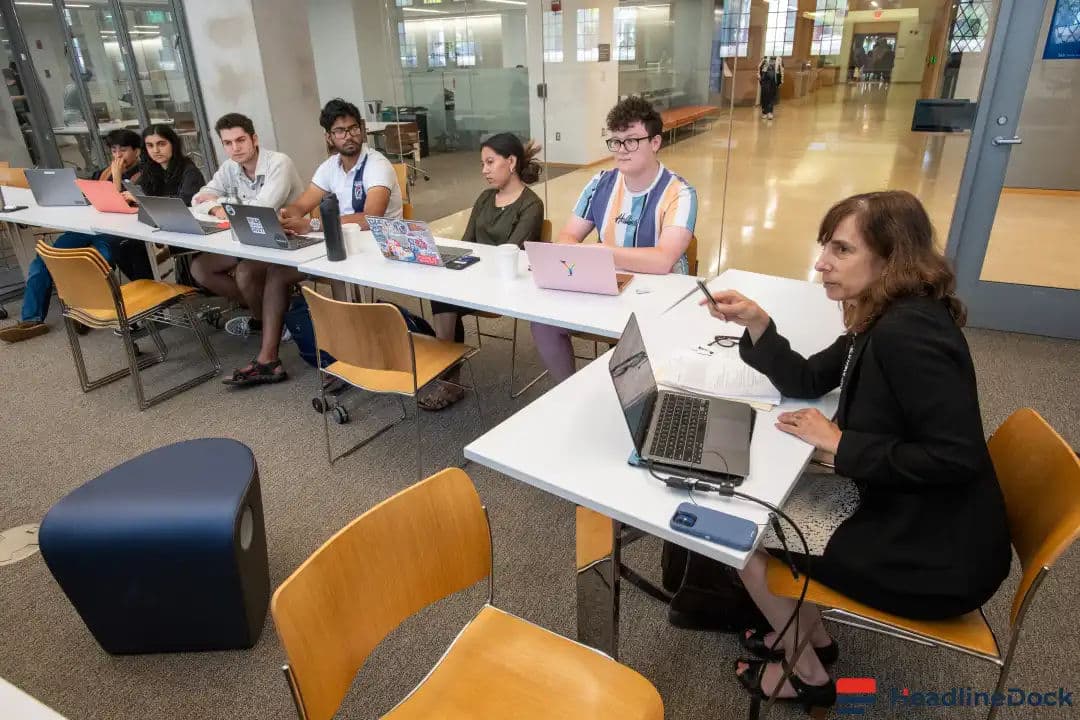
Why Men Make Up Less Than 18% of Australian Primary School Teachers
The proportion of male primary school teachers in Australia has fallen to below 18%. While debates continue over the need for male role models, experts emphasize that a diverse, supportive school environment is vital for student belonging and academic engagement across all genders.

Highlights
- •Male representation in Australian primary schools has dropped to approximately 17.6% as of 2025.
- •Research suggests teacher effectiveness is not solely determined by gender, challenging some common assumptions.
- •A diverse staff room is linked to improved student belonging, engagement, and reduced behavioral issues.
- •Experts suggest redefining masculinity to include caring traits is essential for attracting more men to teaching.
The persistent decline in the number of male primary school teachers in Australia has sparked a significant debate among educators and policymakers. With men currently making up less than 18% of the primary teaching workforce, there are growing concerns about the impact this gender imbalance may have on students, particularly young boys seeking positive role models.
The Australian Government Primary Principals Association has raised these concerns during a parliamentary inquiry, suggesting that a lack of men in the classroom could be contributing to difficulties some male students face with their academic progress. This observation has intensified calls to address the shrinking demographic of men choosing a career in primary education.
Understanding the Decline and Its Implications
Historical data indicates that the representation of male primary school teachers has been steadily dropping for several decades. While the figure stood at approximately 30% in the 1980s, it fell to below 20% by 2007. Recent statistics from 2025 reveal that only 17.6% of primary teachers are male, a figure that includes leadership roles and specialized subjects like physical education, meaning the actual number of men in mainstream classrooms is likely even lower.
Some researchers have even presented a sobering projection, suggesting that without intervention, male primary teachers could become essentially extinct by 2067. This downward trend has prompted discussions about whether the gender of a teacher fundamentally dictates their effectiveness in the classroom. Current research findings remain mixed; while many students express enjoyment when taught by men, large-scale international studies generally suggest that teacher effectiveness is not exclusively tied to gender.
The Future of Male Representation in Schools
Advocates for increasing the number of men in primary schools argue that a more gender-balanced workforce better reflects the diversity of the broader community. A staff room that mirrors society's demographics—including gender, race, and ethnicity—could help ensure that more students find an educator they can connect with. This sense of belonging is crucial for fostering school engagement and reducing behavioral challenges.
However, experts warn against equating "male role models" solely with traditional, stereotypical views of masculinity, such as stoicism or a focus on sports. Encouraging more men to enter "caring" professions like primary teaching requires a broader shift in how society defines masculinity, valuing traits such as empathy, active listening, and emotional support. Addressing concerns regarding social isolation in a female-dominated environment and offering better support structures for men entering the field are also vital steps. Ultimately, promoting a more inclusive definition of masculinity and reassessing how all educators are supported and compensated remain key to rectifying this long-term demographic shift.