California Gas Stations Accused of Using AI to Inflate Fuel Prices
Consumers in California have initiated a lawsuit against major fuel retailers, alleging that the use of artificial intelligence to set prices has unfairly inflated gasoline and diesel costs. The suit claims these practices violate state antitrust laws regarding shared pricing algorithms.
Highlights
- •A federal lawsuit alleges that major gas station operators in California are using artificial intelligence to inflate fuel prices.
- •The complaint claims that using a specific algorithm from Kalibrate Fuel Systems has increased gasoline prices by 22 cents and diesel by 33 cents per gallon.
- •The legal action is among the first filed under California law AB 325, which prohibits the use of shared pricing algorithms.
- •Major corporations named in the lawsuit include Walmart, BP, Marathon Petroleum, and 7-Eleven, with the state's fuel watchdog also investigating.
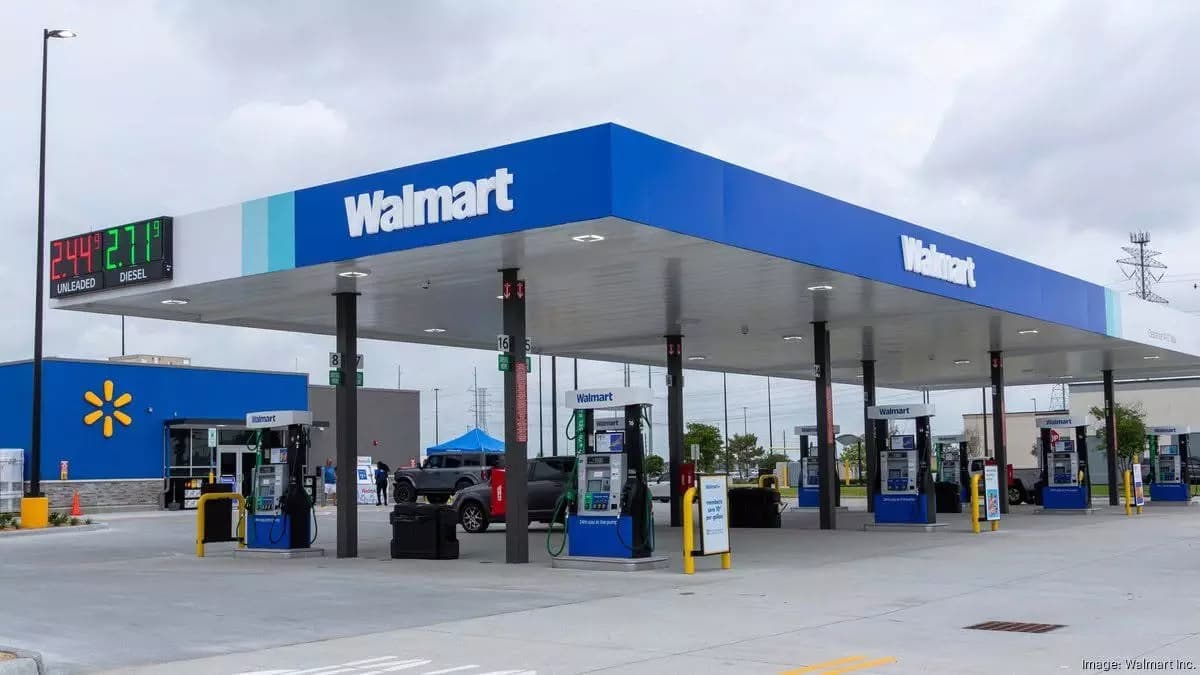
A significant legal challenge has emerged in California, where consumers have launched a lawsuit accusing several major gas station operators of utilizing artificial intelligence to artificially inflate fuel prices. The legal complaint, filed in a federal court in Sacramento, targets prominent companies including Walmart Inc., Marathon Petroleum Corp., BP Plc, and 7-Eleven Inc.
According to the allegations, these corporations, which manage over 1,700 filling stations across the state, have employed a specialized software tool developed by Kalibrate Fuel Systems Ltd. This AI-driven technology allegedly automates price adjustments by leveraging confidential data, further straining motorists already dealing with some of the highest fuel costs in the United States. In specific regions, gasoline prices have surged beyond $7 per gallon.
The Impact of AI-Driven Price Manipulation
The plaintiffs contend that by relying on this specific artificial intelligence algorithm, station owners have significantly hiked costs for consumers. The filing suggests that gasoline prices were inflated by as much as 22 cents per gallon, while diesel prices saw an increase of approximately 33 cents per gallon. These hikes come on top of existing market pressures already exacerbated by the United States' war with Iran. The financial burden on drivers is substantial, with estimates indicating that every additional penny added to the price costs California residents roughly $134 million annually.
This litigation represents one of the first major actions brought under AB 325, a piece of legislation enacted by the state last year specifically to outlaw the use of shared pricing algorithms that distort market fairness. The lawsuit seeks damages for drivers who were forced to pay excessive prices, citing violations of state antitrust laws. Recently, state fuel regulators issued subpoenas to various station operators as part of an ongoing investigation into these record-high costs.
Regulatory Oversight and Industry Response
The high cost of fuel has become a central point of contention for Governor Gavin Newsom. As the governor eyes a potential bid for the 2028 Democratic presidential nomination, the state's energy industry has faced increased scrutiny. While the governor has previously maintained a stern stance toward the fuel-making sector, recent policies indicate a shift in strategy. Meanwhile, the high price environment has also become a focal point for national politics, with Energy Secretary Chris Wright recently promoting controversial offshore oil-drilling projects within California as a potential remedy.
In response to the legal filing, Walmart Inc. confirmed that it is currently reviewing the lawsuit and intends to provide a formal response in court. BP Plc opted not to provide a comment regarding the allegations. Representatives for Marathon Petroleum Corp., 7-Eleven Inc., and Kalibrate Fuel Systems Ltd. did not respond to requests for comment.