The $300 Billion Iran Fund: Key Details of the Proposed Reconstruction Plan
A proposed $300 billion fund aimed at Iran’s economic reconstruction is at the center of peace negotiations. While designed to incentivize stability, the plan faces significant regional skepticism regarding trust, security, and the potential for misuse, with rigorous oversight mechanisms currently being debated by international stakeholders.
Highlights
- •A proposed $300 billion fund aims to support Iran's economic reconstruction as part of a Middle East peace deal.
- •US leadership has confirmed that American taxpayer money will not be utilized to finance this specific reconstruction fund.
- •Regional Gulf neighbors, while central to the plan, have expressed caution, prioritizing security and trust-building before economic investment.
- •Oversight mechanisms involving the US and Qatar are being proposed to manage frozen assets and prevent the funding of conflict-related activities.
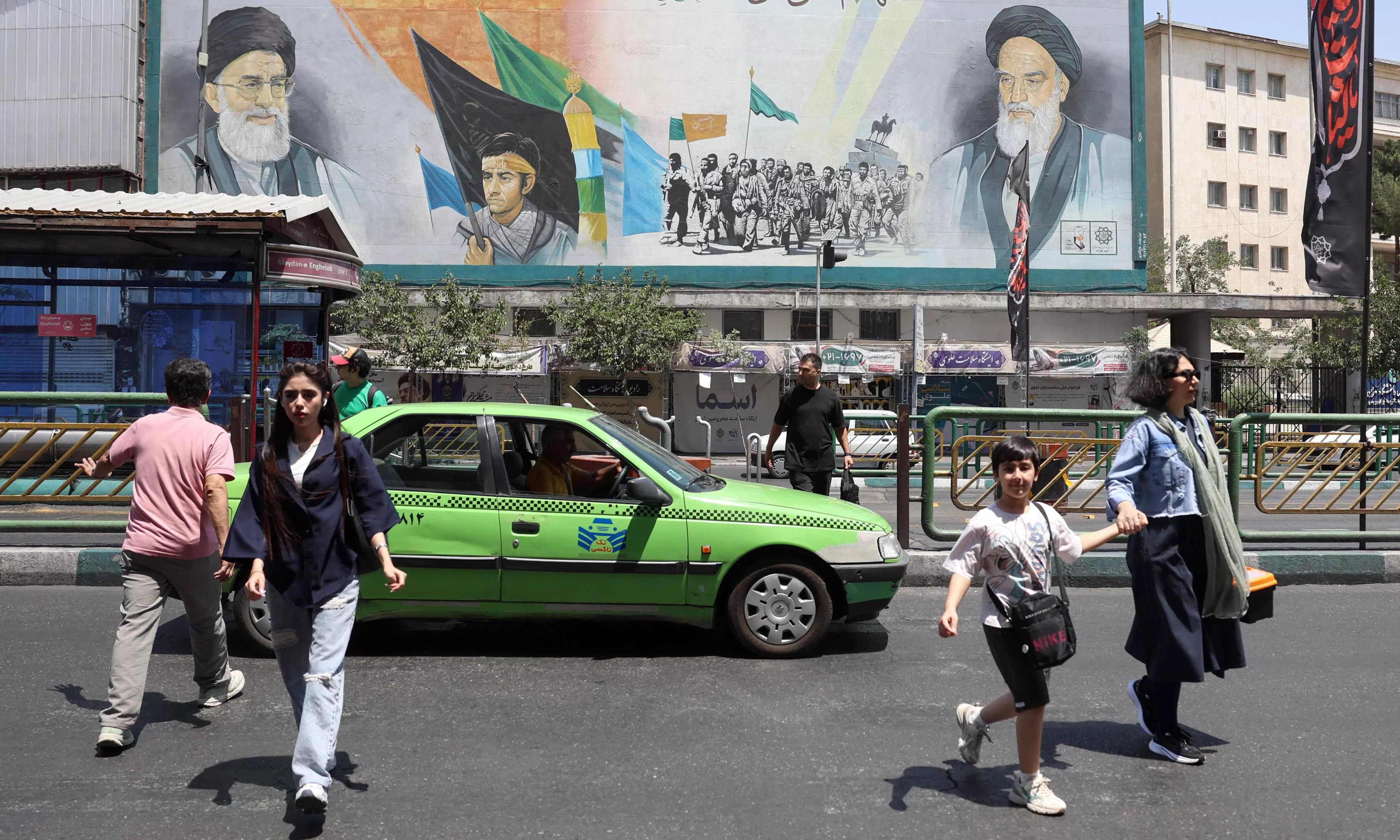
A significant proposal has emerged as part of the efforts to resolve the ongoing Middle East conflict, centered around a $300 billion Iran fund dedicated to the nation’s reconstruction and economic development. This substantial financial initiative is outlined in a memorandum of understanding, though specifics regarding the primary contributors remain currently unconfirmed. The international community is closely watching how this potential $300 billion Iran fund will be structured and whether it can effectively incentivize long-term regional stability.
Financial Mechanics and Strategic Goals
The memorandum stipulates that Washington, in collaboration with various regional partners, intends to finalize a comprehensive plan for this investment within a 60-day window. As part of this broader strategy, the United States would grant all necessary financial licenses, waivers, and permissions required to facilitate these transactions. Furthermore, the agreement suggests that upon the signing of a final deal, Tehran would see the removal of various sanctions, enabling the resumption of oil exports. Experts, such as Anna Jacobs of the Arab Gulf States Institute, suggest that the inclusion of this fund acts as a strategic incentive to encourage Iran to demonstrate good faith during ongoing negotiations.
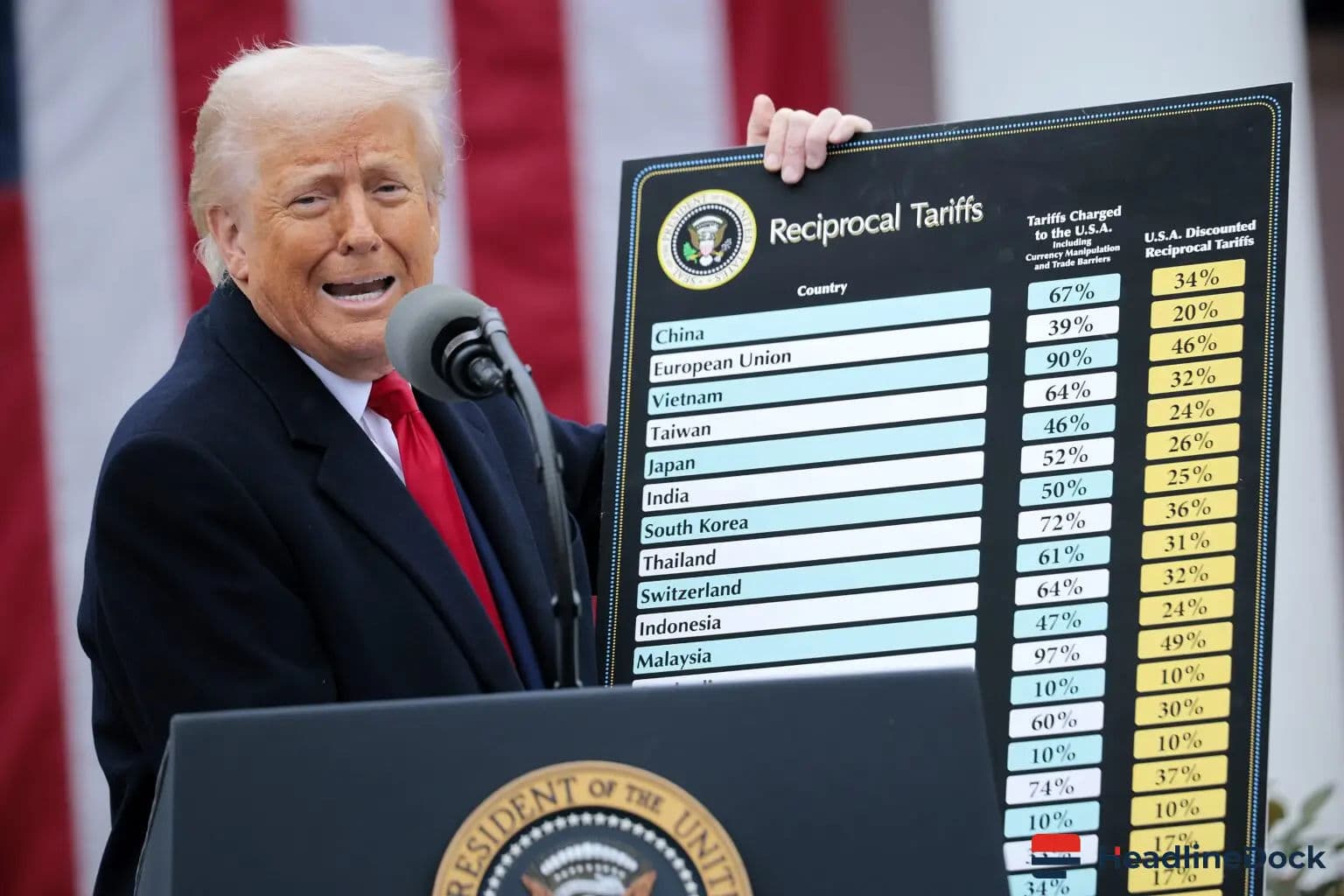
Regarding the source of the capital, US Vice President JD Vance has explicitly stated that American taxpayers will not contribute a single dime to the project. There is widespread speculation that wealthy Gulf neighbors, who have frequently been the targets of Iranian military actions during the conflict, may be the intended primary backers. However, these Gulf nations remain cautious. Officials, including Saudi Foreign Minister Prince Faisal bin Farhan, have emphasized the necessity of first rebuilding trust and re-establishing diplomatic relationships before any mutual economic cooperation or large-scale investment can be reasonably discussed.
Challenges to Implementation and Oversight
The path to realizing the $300 billion Iran fund faces significant hurdles, primarily centered on deep-seated regional mistrust. While Iran faces a critical need for capital to stimulate its economy, skeptics argue that providing such resources carries risks. Security analysts like Hesham Alghannam point out that for nations like Saudi Arabia, the priority remains a rigid hierarchy of security guarantees and verifiable actions over immediate financial engagement. The United Arab Emirates, another key regional player, has also expressed concerns, having previously demanded reparations for damages incurred during the war.
To address concerns that funds might be redirected toward military rearmament, the United States and mediators, such as Qatar, are looking at rigorous oversight mechanisms for unlocking Iran's previously frozen assets. Jared Kushner has been involved in coordinating these strategies, with suggestions that any released capital would be strictly monitored to fund essential imports, such as American agricultural products, rather than unauthorized expenditures.