US Government Moves to Block Auction of Recovered Titanic Artifacts
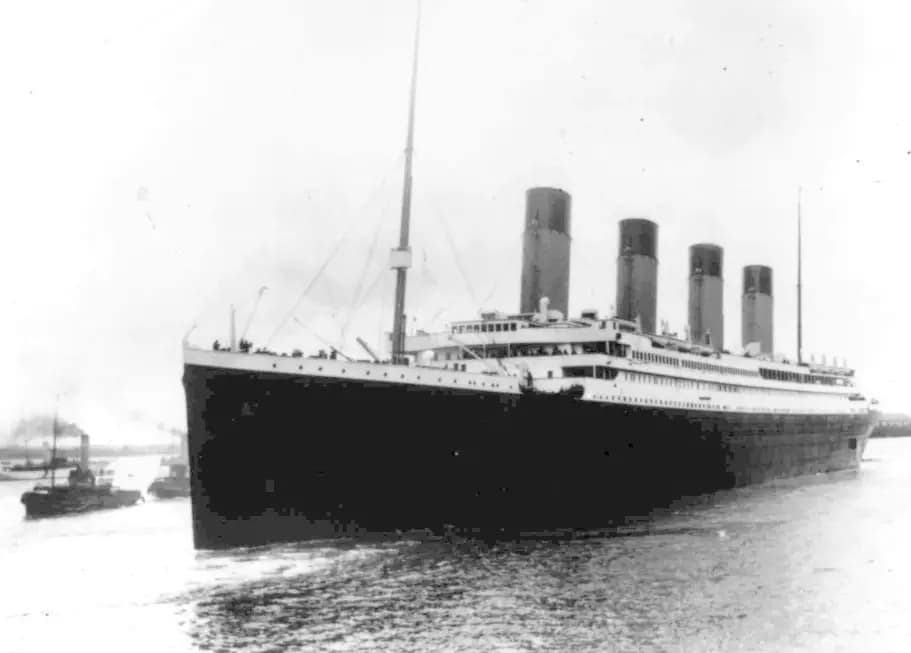
The US government is challenging a plan by RMS Titanic Inc. to auction over 100 artifacts recovered from the Titanic wreckage. Authorities argue such a sale violates legal obligations to preserve the site for the public, sparking a significant judicial conflict.
Highlights
- •US government opposes the sale of over 100 artifacts salvaged from the Titanic wreckage.
- •RMS Titanic Inc. seeks to auction recovered items despite historical agreements favoring public display.
- •Advocates argue that historical items should not be sold for private collection or profit.
- •Titanic-related items continue to command high prices, with some pieces selling for millions.
A contentious proposal to auction over 100 Titanic artifacts has triggered significant opposition from the United States government. According to recently unsealed legal records, the items salvaged from the historic North Atlantic shipwreck—which include personal belongings, currency, kitchenware, and decorative pieces—are the center of a growing judicial dispute.
RMS Titanic Inc., the Georgia-based organization holding exclusive salvage rights, seeks to sell these recovered treasures for the first time. This move represents a departure from previous agreements, which stipulated that such items should be preserved primarily for museum displays and traveling exhibitions. The company has suggested an auction combined with a global tour across four undisclosed cities.
Legal Battle Over Titanic Artifacts
The National Oceanic and Atmospheric Administration, which manages oversight of the wreck site on behalf of the United States, argues that such an auction violates the legal responsibilities associated with the historic site. Government filings indicate that RMS Titanic Inc. contends it does not require court authorization to proceed with the sale, maintaining that no restrictions prohibit them from monetizing these historical objects.
Since 1987, the company has recovered thousands of pieces, including sections of the Titanic's hull, primarily generating revenue through public exhibits. Previous attempts to sell items to address financial difficulties or fund future maritime explorations have been consistently blocked by judicial authorities, victim advocacy groups, and family members of those lost in the 1912 tragedy. The disaster, occurring during the ship's maiden voyage from Europe to New York, claimed over 1,500 lives.
Market demand for authentic Titanic artifacts remains extremely high. Items recovered by rescuers or survivors often command significant prices at auction. For example, a life jacket sold for over USD 900,000 in April, while a gold pocket watch gifted to the rescue ship's captain fetched nearly USD 2 million in 2024. Opponents argue that the company is strictly bound by a 1990s agreement that explicitly prohibited the sale of items salvaged from the wreck.
Public interest advocates and maritime experts emphasize that these objects should be preserved for the common good. Richard Daynard, a law professor at Northeastern University School of Law, noted that these regulations are designed to protect the wreckage from being treated as private assets for the wealthy. The consensus among many preservationists is that the legacy of the ship should be maintained through public education rather than private ownership, ensuring these historical pieces remain accessible to the world.