Congress Alleges Government Doctored Rural Wage Growth Data to Project Boom
Congress has accused the central government of manipulating rural wage growth statistics. By altering sampling methodologies to include higher-wage regions, the party claims the administration is misrepresenting economic performance to disguise a real-world stagnation in wages and consumption.

Highlights
- •Congress alleges the Centre is artificially inflating rural wage growth statistics through methodology changes.
- •The party claims true rural wage growth is closer to 4.3% rather than the reported 17-18%.
- •The Labour Bureau reportedly changed its sampling framework to include higher-wage regions like Delhi and Goa.
- •Jairam Ramesh criticized the government for attempting to mask the root causes of India's economic slowdown.
The opposition party, Congress, has launched a sharp critique against the central government, alleging that official rural wage growth data has been manipulated. By questioning the current reporting methodology, the party claims the administration is attempting to create a false impression of a financial boom in rural sectors.
Allegations of Rural Wage Data Manipulation
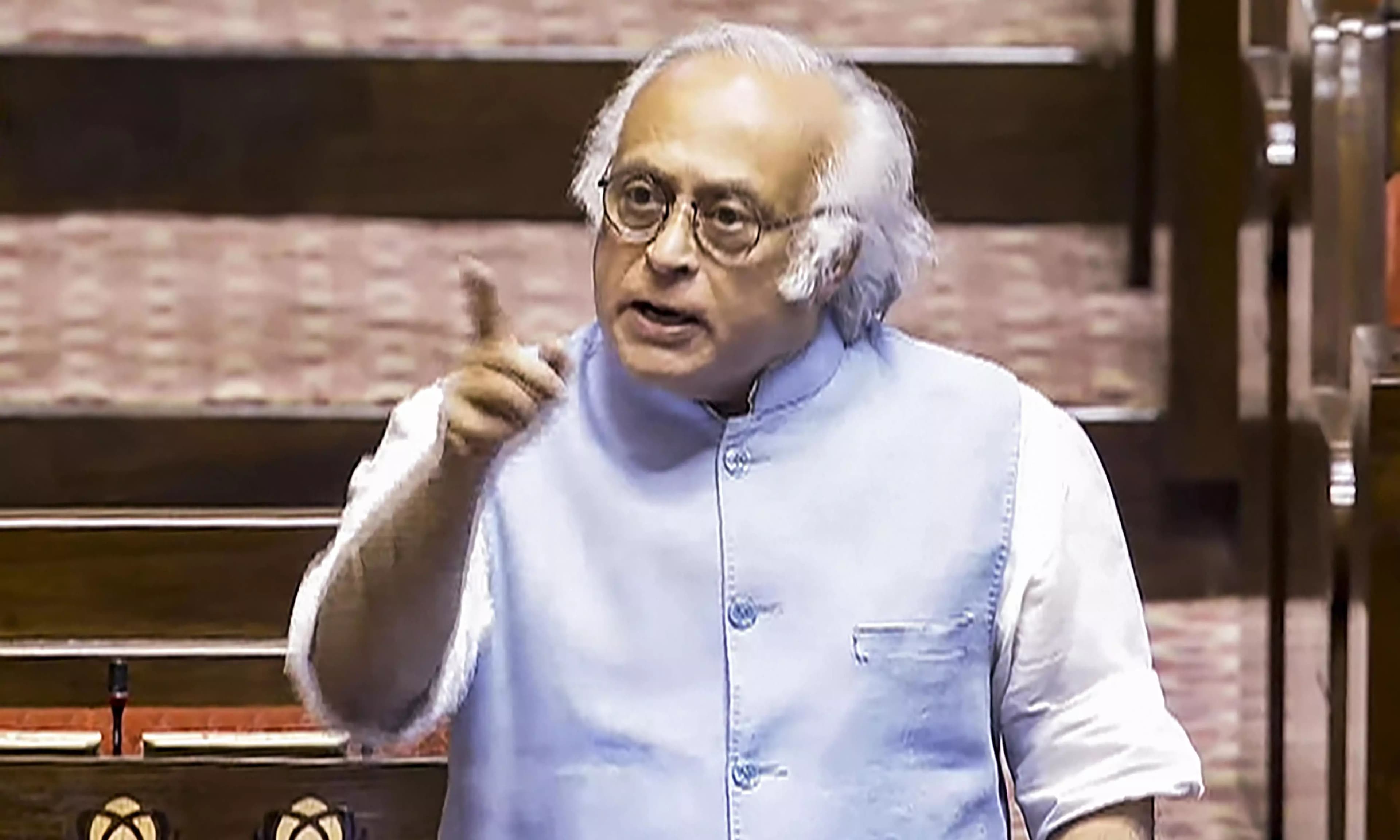
Jairam Ramesh, a general secretary for the Congress, stated that the current administration is utilizing shifts in statistical frameworks to suggest a significant surge in wages. He argued that the government is essentially attempting to mask an underlying economic slowdown that has been characterized by stagnant real wages for workers across the country. According to his assessment, this stagnation has stifled both private investment and overall consumer demand.
The critique highlights that reported annual growth in rural wages ostensibly climbed from 6 per cent to between 17 and 18 per cent in the period spanning June 2025 to March 2026. Data indicated that average daily earnings reportedly increased by 12.7 per cent within a single month. However, Ramesh attributed these dramatic figures to a technical adjustment in the sampling methodology employed by the Labour Bureau.
Impact of Revised Sampling Frameworks
The core of the dispute lies in how the Labour Bureau gathers its statistics. The party alleges that the bureau, without any formal public disclosure or website notification, adopted a new sampling framework. This updated system reportedly incorporated worker data from regions such as the Northeastern states, NCT Delhi, and Goa into the broader national sample pool.
While these specific regions represent only 1.2 per cent of the total workforce, they accounted for 11 per cent of the new sample set. These areas generally feature higher average wages due to a reduced reliance on traditional agriculture and a higher concentration of skilled employment. Consequently, this change in methodology inflated the national averages, creating what critics describe as a manufactured wage boom.
By analyzing the data through a different lens, the Congress claims that genuine wage growth is likely closer to 4.3 per cent per annum. If accurate, this would represent the weakest growth performance in four years. The opposition further suggested that officials involved in such data modifications have previously been rewarded with various government appointments, casting doubt on the transparency of the current economic reporting process.