BJP Adopts New Grassroots Strategy in Telangana to Strengthen Organizational Base
The BJP has initiated a shift toward a grassroots-centric organizational model in Telangana. By prioritizing district outreach and booth-level mobilization over capital-focused protests, the party aims to strengthen its cadre and electoral prospects ahead of the 2028 Assembly polls and upcoming municipal elections.
Highlights
- •The BJP is implementing a bottom-up grassroots strategy in Telangana to strengthen its organizational base.
- •The new approach draws from successful tactics used in Chhattisgarh and West Bengal to counter rivals.
- •National leadership is enforcing stricter internal monitoring to manage state unit activities and curb factionalism.
- •The party is preparing for upcoming municipal corporation elections and the 2028 Assembly polls with focused local engagement.
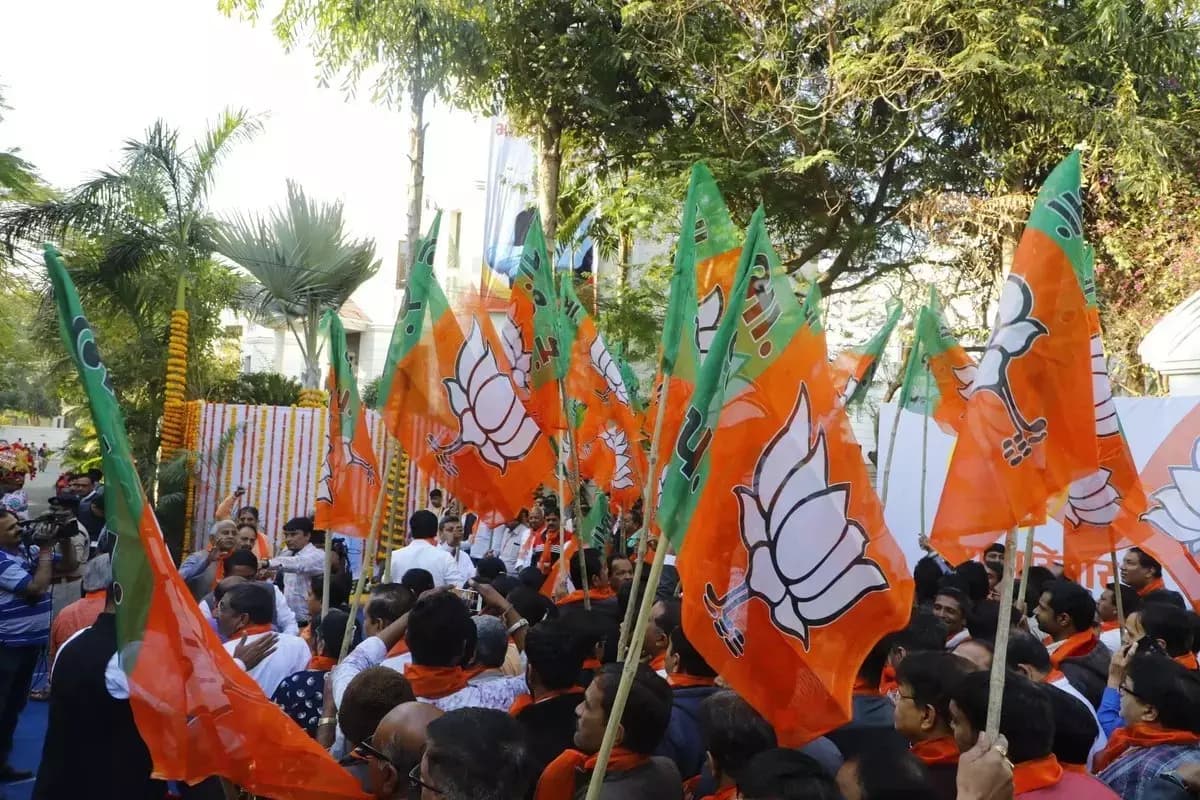
The Bharatiya Janata Party (BJP) in Telangana is recalibrating its political roadmap, shifting its focus toward a robust grassroots strategy. The party's national leadership has instructed the state unit to move away from capital-centric activities, prioritizing instead a bottom-up approach that emphasizes district-level outreach and intensive booth-level mobilization to strengthen the organizational foundation.
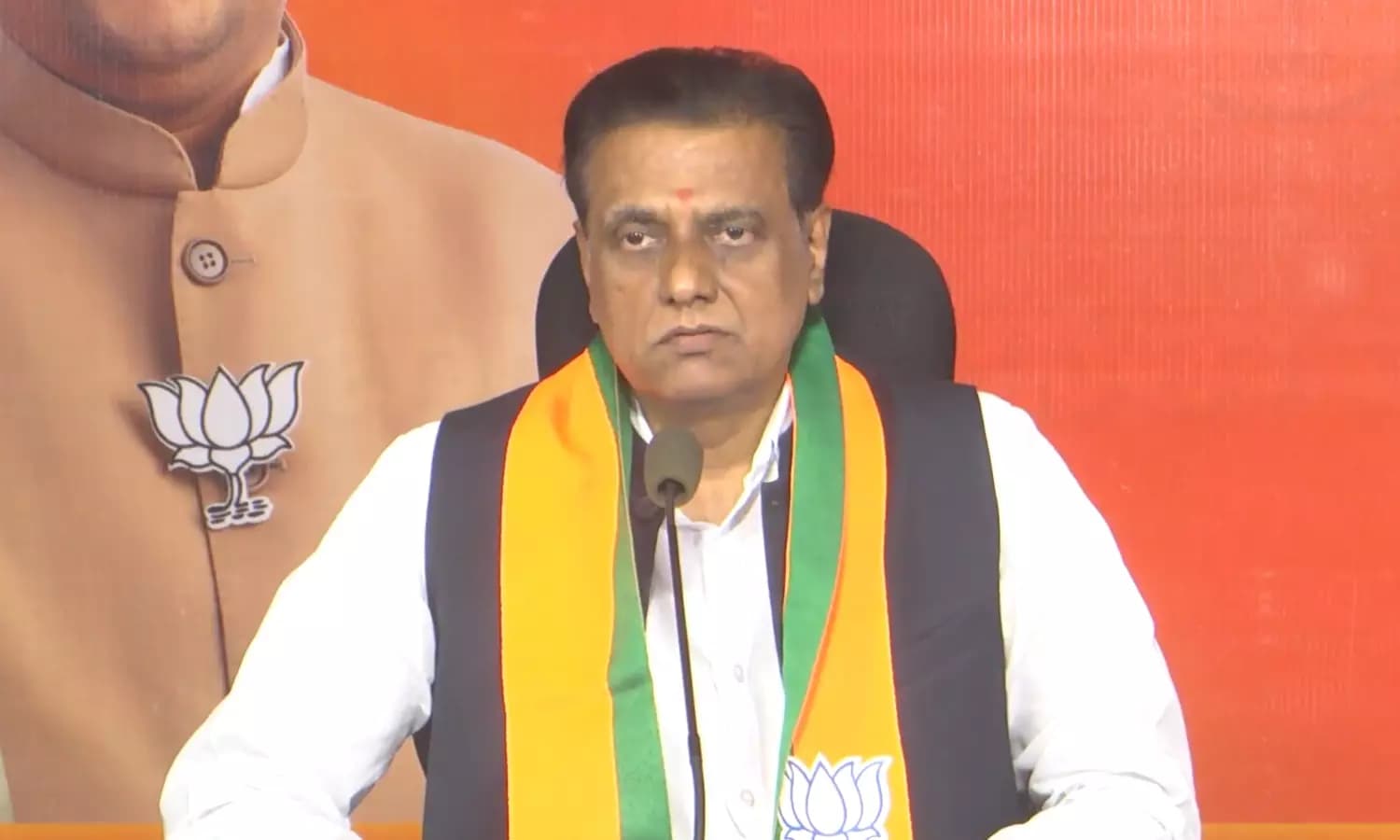
This strategic shift, which focuses on grassroots strategy in Telangana, mirrors tactics successfully employed to challenge the Trinamool Congress (TMC) in West Bengal. The model, previously utilized by party president Nitin Nabin in Chhattisgarh, is intended to guide the party's preparations for upcoming municipal corporation elections and the broader 2028 Assembly polls.
Strengthening Grassroots Strategy in Telangana
A senior official indicated that Nitin Nabin is scheduled to visit multiple districts later this month. These visits are designed to foster deeper connections with local communities, bolster Shakti Kendras, and ensure precise mapping of booth-level strengths. Rather than relying on high-profile demonstrations in the state capital, the BJP aims to concentrate its resources on mass-contact programs that resonate with local voters.
To ensure effective implementation, the national leadership has enhanced its internal monitoring mechanisms. This involves moving beyond a reliance on reports from the state unit, opting instead for closer observation of senior leadership roles and periodic internal assessments. This directive follows discussions during a closed-door meeting between MPs and Prime Minister Narendra Modi, which highlighted the necessity of addressing internal organizational issues, curbing factionalism, and maintaining coordinated election campaigns.
The party’s leadership views this collective effort as essential to consolidate its influence, particularly following the party’s performance in the recent Lok Sabha elections and the relative decline of the Bharat Rashtra Samithi (BRS). A state executive meeting, expected to be attended by Nitin Nabin upon the invitation of state president N Ramchander Rao, will finalize the action plan for the municipal elections and establish the framework for the 2028 campaign.
Furthermore, Abhay Patil, the party’s in-charge for Telangana, has already begun executing a more stringent organizational policy. By developing comprehensive route maps and prioritizing district-level engagement, he is actively working to resolve factional disputes. Recent disciplinary actions, such as the suspension of a prominent Cantonment leader for opposing party MP Etala Rajender, underscore the party's commitment to discipline. With this centralized micro-management and coordinated local efforts, the BJP intends to transform public support into long-term electoral success.