Ten Years After the Brexit Vote: The UK Remains a Divided Nation
A decade after the Brexit referendum, the United Kingdom remains deeply divided by persistent Leaver and Remainer identities. This identity-driven landscape has transformed political discourse, overshadowing traditional economic focus and presenting significant challenges to contemporary governance and societal reconciliation.
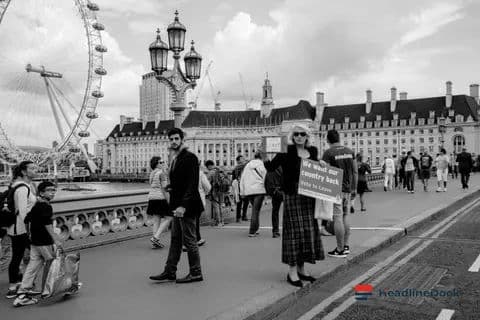
Ten years after the historic Brexit referendum, the United Kingdom remains deeply divided, characterized by a persistent and defining rift between those who identify as Leavers and those who support Remain. These labels have evolved beyond mere stances on UK-EU relations, functioning instead as foundational pillars of individual political identity and values.
The endurance of these terms, a decade post-vote, illustrates that identity has become the primary lens through which a significant portion of the British public interprets politics. This Brexit effect has profoundly impacted political rhetoric, fostering a culture where emotional appeals and assertions of character frequently outweigh logical, evidence-based policy discussions. Whether a person identifies as a Leaver or a Remainer, they remain subject to this environment where public discourse is heavily influenced by identity politics.
Identity Politics and the Decline of Technocratic Discourse
Historically, the debate surrounding the referendum and the subsequent parliamentary battles between 2016 and 2019 were marked by accusations of toxicity. Critics and observers frequently noted that the discourse was structured around the dichotomy of the people versus the elite, painting both sides as having irreconcilable worldviews. This framing helped the Leave campaign, which effectively utilized a narrative that resonated deeply with the public's emotional sensibilities.
Populist rhetoric, which thrives on establishing a clear divide between the virtuous people and a corrupt or incompetent elite, became the dominant mode of engagement. Research into this phenomenon, including analyses of the societal shifts termed as Brexitland, suggests that the decision to leave the European Union was driven more by these deep-seated identity alignments than by rational economic considerations. Consequently, the core question in modern British political debate has shifted away from the economy to a more binary focus: whether an individual belongs to the people or the perceived elite.
The Legacy of Post-Brexit Governance
The challenges facing current political leadership, including the administration led by Keir Starmer, can be interpreted as a direct outcome of this fragmented landscape. The transition from the 2024 general election result, often described as a loveless landslide, highlights the difficulty of governing in a society defined by these entrenched identity groups. The perceived shortcomings in the current government’s ability to connect with the nation suggest that the era of relying solely on sober, technocratic delivery is fading.
In 2026, the ongoing popularity of political entities such as Reform UK and the Green Party underscores the continued influence of grievance politics. Rather than resolving the underlying societal unhappiness, the legacy of the referendum has entrenched politics as a zero-sum contest between groups. The Leaver and Remainer identities continue to serve as the most significant faultline in the United Kingdom, suggesting that true political reconciliation remains a formidable challenge for any future leadership.
,curated_key_highlights:[