Keir Starmer Resigns: UK Prime Minister Steps Down Amid Growing Political Pressure
Keir Starmer has resigned as leader of the Labour Party and UK Prime Minister following unsustainable pressure and internal party challenges. His departure, marking the sixth resignation of a British leader in ten years, reflects the deep polarization and instability currently defining United Kingdom politics.
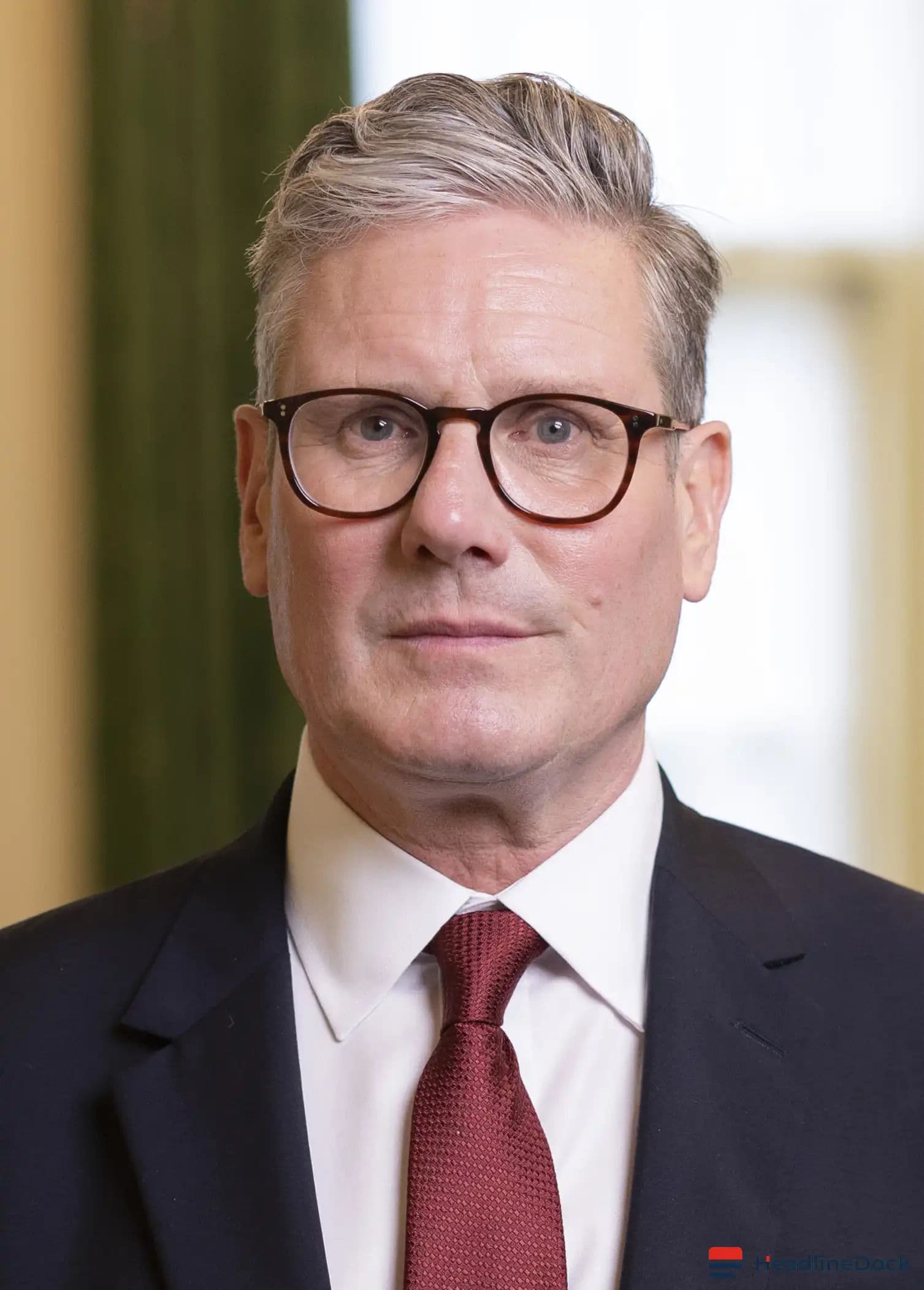
Keir Starmer has officially resigned as the leader of the Labour Party, signaling his forthcoming departure from the office of Prime Minister of the United Kingdom. This significant political shift follows intense pressure on his leadership, which intensified after Andy Burnham secured a decisive victory in the Makerfield by-election. With this decision, Keir Starmer becomes the sixth British Prime Minister to step down within the last decade.
The primary trigger for his resignation was the erosion of support from both his cabinet and the broader party ranks, concerns that were voiced during private discussions held over the weekend. By announcing his departure in this manner, Starmer aimed to facilitate a more orderly transition, successfully avoiding the wave of resignations that plagued the exits of former Conservative Prime Ministers Boris Johnson and Liz Truss.
The Challenges of Political Leadership
Before moving into 10 Downing Street, Keir Starmer faced significant public skepticism. Heading into the 2024 general election, his net satisfaction rating stood at -21, marking a historical low for an incoming Prime Minister. Although he managed to secure a parliamentary majority, the approval landscape remained challenging. Unlike the historic popularity surges seen by leaders like Tony Blair in 1997 or David Cameron in 2010, Starmer’s post-election favorability reached only a modest, neutral peak before declining once more.
The patterns surrounding the rise and fall of Keir Starmer share notable similarities with his predecessor, Jeremy Corbyn. Both leaders struggled to maintain a unified coalition under the weight of ideological divisions and shifting public opinion. The 2024 Labour victory, often described as a mandate without widespread enthusiasm, saw the party claim 64% of parliamentary seats with only 34% of the popular vote—the lowest share ever for a majority government. This volatility highlights the ongoing challenges inherent in the current political climate.
Furthermore, the United Kingdom continues to navigate the complexities stemming from the 2016 Brexit referendum. Experts, including academics from Queen Mary University of London, suggest that British politics is defined by a two-bloc polarization where voters are divided by identity and Brexit-related sentiments. While these groups may occasionally align against a common political opponent, their internal fragmentation makes maintaining a cohesive governing coalition increasingly difficult. As Starmer leaves office, the UK remains a nation grappling with deep-seated political divisions that continue to shape the stability of its leadership.
,curated_key_highlights:[