Keir Starmer Resigns: Can Andy Burnham Counter the Rise of Reform UK?
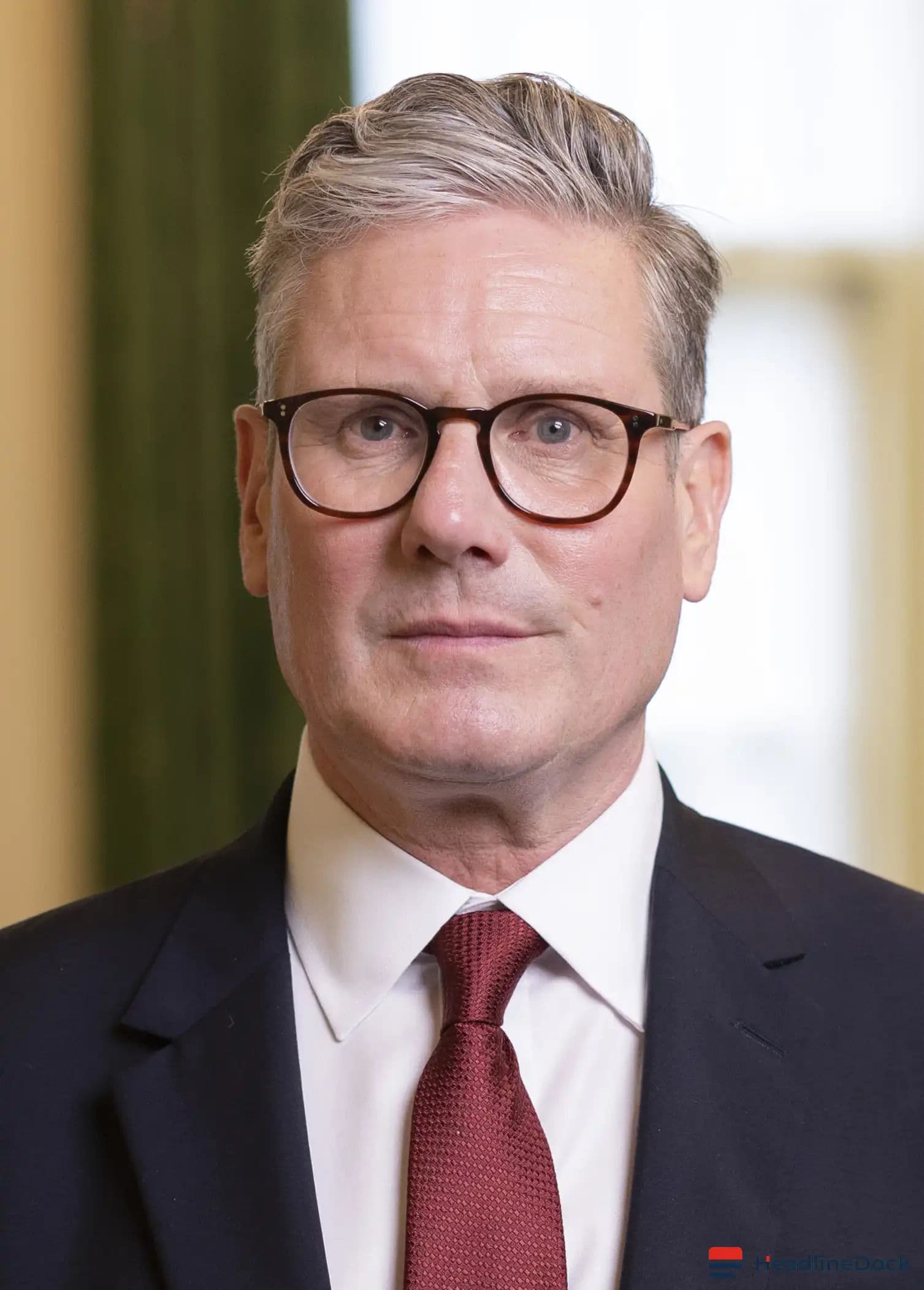
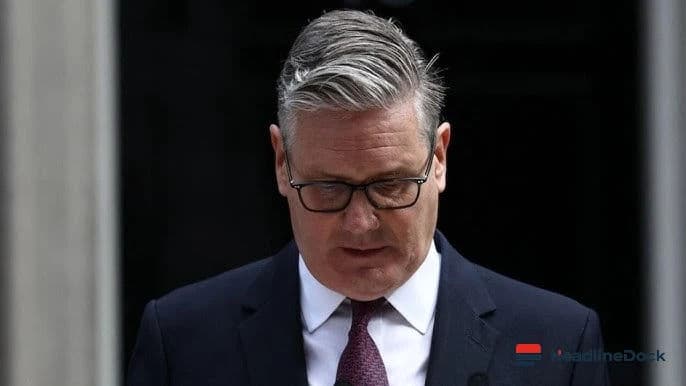
Keir Starmer has resigned as UK Prime Minister following internal and public pressure. Andy Burnham is the clear favorite to lead Labour, but he faces an uphill battle to counter the rising electoral threat posed by Nigel Farage’s Reform UK party.
Highlights
- •Keir Starmer has resigned as Prime Minister, leaving the Labour leadership vacant.
- •Andy Burnham is the primary contender expected to succeed Starmer as Labour leader.
- •Reform UK has gained momentum in the polls, posing a serious challenge to Labour's traditional voter base.
- •The next leadership must address deep-seated issues including low approval ratings and significant policy shifts.
The landscape of United Kingdom politics is undergoing a significant shift following the resignation of Keir Starmer as Prime Minister. With his departure, political speculation has intensified, with Andy Burnham widely tipped to assume the leadership of the Labour Party and the premiership. Starmer's exit from Downing Street followed internal pressure and consultations, marking a dramatic turn for a government that secured a landslide victory just two years prior in the 2024 general election.
The challenges facing the next Labour leader remain complex. The party, which currently holds 412 seats, has struggled with public perception, hampered by policy U-turns and controversy surrounding high-profile appointments like Lord Mandelson as the ambassador to the United States. This political climate has created an opening for challenger parties, most notably Reform UK, which has gained significant traction in recent polling data. Understanding these shifts is crucial to analyzing how a new Prime Minister might tackle the rising influence of Reform UK and other opposition groups.
The Challenges of Navigating Reform UK
If Andy Burnham secures the leadership, he will inherit a party currently polling at 19%, struggling to maintain the momentum of its 2024 electoral performance. In contrast, Reform UK, led by Nigel Farage, has seen its popularity rise, sometimes topping national polls at 24%. The electoral landscape is crowded, with competition from the Green Party, the Liberal Democrats, and a resurgent Conservative Party under Kemi Badenoch further complicating the path forward for Labour.
Burnham’s recent success in the Makerfield by-election serves as a potential blueprint for his leadership approach. By securing more than half of the votes cast, he demonstrated an ability to consolidate support, effectively outperforming Reform UK and its right-wing allies. However, replicating this success on a national scale in a general election presents a far greater challenge. Critics and analysts suggest that while his victory was impressive in Greater Manchester, the upcoming political battle requires a broader strategy to win over the 13% of voters who remain undecided.
Ultimately, the effectiveness of any new Prime Minister against Reform UK will depend on their ability to manage public sentiment and unite a fractured electorate. If Burnham can maintain his reputation for likeability while offering a decisive policy platform, he may succeed in capturing tactical voters motivated by the desire to prevent a shift to the right. The coming months will be definitive in determining whether the next Labour leader can reverse the current trends and stabilize the government's standing among the British public.