Andhra Pradesh Ranks First Nationally in Egg Production Output
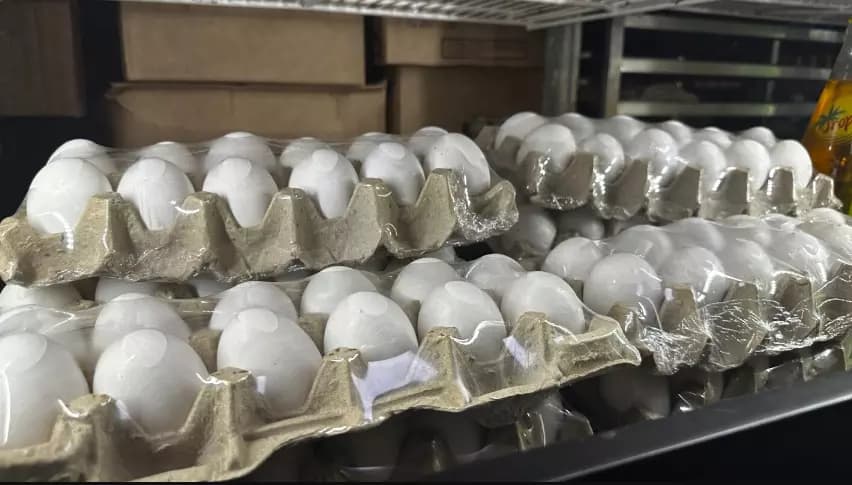
Andhra Pradesh has secured the top rank in India for egg production during the 2025-26 fiscal year. The livestock sector, a major contributor to the state's GSDP, continues to see expansion through strategic health initiatives, advanced breeding technology, and subsidized farmer support programs.
Highlights
- •Andhra Pradesh has attained the top position in nationwide egg production for 2025-26.
- •The livestock sector contributes 12.17% to the state's total GSDP.
- •The state is home to world-renowned breeds like Ongole cattle and Aseel poultry.
- •Government plans target a 15% growth rate in the livestock sector by 2027.
According to the latest government data for the 2025-26 fiscal year, Andhra Pradesh has solidified its position as a national leader in agricultural output, specifically achieving the top ranking in nationwide egg production. The state’s performance across the livestock sector highlights significant advancements in productivity and efficiency.
Andhra Pradesh Leads in National Livestock Productivity
In addition to securing the first rank for egg production, Andhra Pradesh currently holds the fourth position in meat production and ranks seventh in milk output across the country. These achievements underscore the critical role that the livestock sector plays in the state's economic landscape, contributing 12.17 percent to the Gross State Domestic Product (GSDP).
The state is widely recognized for its high-value genetic resources, including the globally renowned Ongole and Punganur cattle breeds, the Nellore and Macherla sheep varieties, and the prestigious Aseel poultry breed. Despite facing varied climatic conditions, the livestock industry continues to serve as a consistent and reliable pillar of financial stability for the state’s economy.
Strategic Initiatives and Future Growth
The government has implemented several impactful programs to boost the sector. Notable achievements over the past two years include comprehensive health initiatives such as a free deworming drive, the execution of 26,512 veterinary health camps that provided essential care to approximately 2.3 million animals, and the construction of 30,313 livestock sheds for small-scale farmers through subsidized schemes.
To support rural resilience, the state increased compensation for livestock losses during natural disasters from 37,500 to 50,000 per animal. Further support has been extended through the provision of cattle feed, fodder seeds, and mobile veterinary ambulance services. Advanced breeding techniques have also been prioritized; notably, the distribution of sex-sorted semen at subsidized rates and the utilization of embryo transfer technology have successfully resulted in 67 high-genetic-merit calves.
Looking ahead to the 2026-27 period, the department plans to ramp up these efforts significantly. Key goals include the distribution of 10 lakh doses of sex-sorted semen to enhance livestock quality and the development of a dedicated poultry policy. Additionally, plans are underway to fill vacant veterinary assistant surgeon positions and construct 777 new veterinary hospital buildings. These strategic investments are designed to propel the livestock sector to a 15 percent growth rate, ultimately contributing toward the state’s ambitious target of achieving a 3 trillion GSDP by the 2029-30 fiscal year.