Tata Steel UK Assures Supply Continuity Following Port Talbot Facility Fire
Following a major fire at its Port Talbot facility, Tata Steel UK has assured customers of supply chain stability. The company is implementing contingency measures, including utilizing its Llanwern site, and confirmed that its long-term transition to net-zero steel production remains on track.
Highlights
- •Tata Steel UK implements contingency plans to ensure supply chain continuity after a fire at Port Talbot.
- •CEO Rajesh Nair reports no expected significant market-wide disruption for customers and downstream manufacturers.
- •Mitigation efforts include utilizing Llanwern facilities and leveraging wider Tata Steel Group supply chains.
- •Long-term transformation to an Electric Arc Furnace remains on schedule for 2027-2028 commissioning.
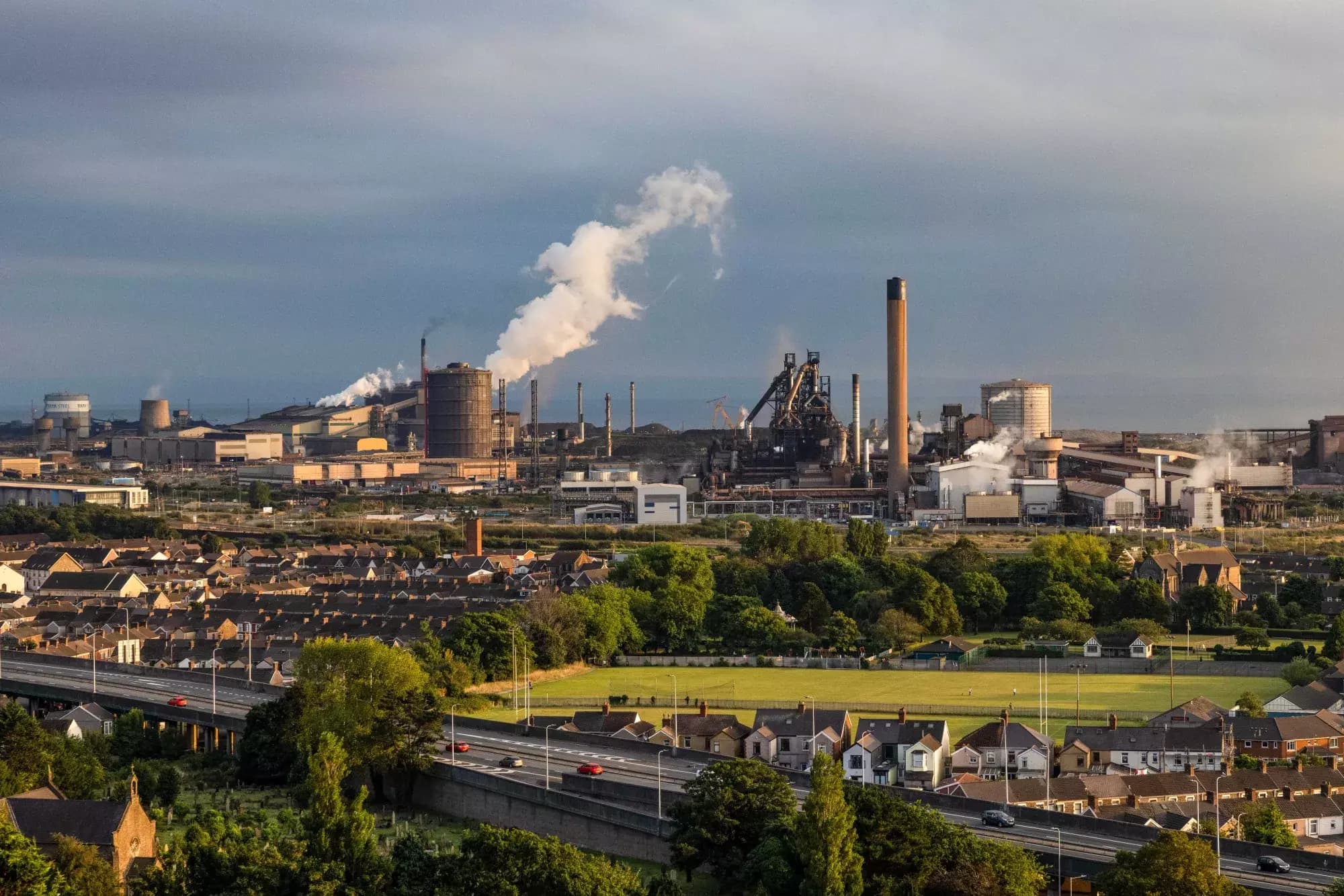
Tata Steel UK has officially provided assurances regarding the stability of its supply chain following a significant fire incident at its Port Talbot steelworks in south Wales. The company confirmed that swift mitigation strategies were put into place immediately after the blaze at the Pickle Line facility, aimed at protecting downstream operations and ensuring that existing customer commitments remain unaffected.
Maintaining Production and Supply Continuity
Addressing the situation, Rajesh Nair, the CEO of Tata Steel UK, highlighted the dedicated efforts of internal teams who have been working around the clock to execute contingency plans. Based on preliminary assessments, the organization maintains high confidence in its ability to continue supporting downstream manufacturers and clients during this time. The company does not anticipate any significant market-wide disruption as a result of the fire.
To bolster resilience, Tata Steel UK is leveraging its existing Llanwern infrastructure. The company plans to increase the utilization of the operational Llanwern Pickle Line and is preparing for a restart of the Llanwern Cold Mill. Furthermore, additional support is being drawn from the wider Tata Steel Group supply chain network where necessary to maintain equilibrium.
Management emphasized that current stock levels within both the company and the broader United Kingdom supply chain remain healthy, which provides a critical buffer while these mitigation measures are fully integrated. Collaborative efforts are ongoing with customers across vital sectors, including the automotive, construction, and general manufacturing industries. Notably, operations at the Hot Strip Mill in Port Talbot have successfully resumed following scheduled maintenance.
Long-term Transformation Remains On Track
Beyond the immediate response to the fire, the firm reiterated its commitment to long-term industrial evolution. The transformative project at Port Talbot remains a central pillar of the company’s future strategy. The construction of the 3.2Mtpa Electric Arc Furnace, which follows the cessation of ironmaking in October 2024, continues to progress steadily. The facility is expected to be commissioned between late 2027 and early 2028.
As part of its sustainability goals, the Mumbai-headquartered Tata Group aims to achieve net-zero steel production in the United Kingdom by 2045. This environmental roadmap includes a strategic target to reduce carbon dioxide emissions by 30 percent by 2030, marking a significant step forward in the company's commitment to greener manufacturing practices.