Ancient 5.3 Million-Year-Old Whale Graveyard Discovered in the Indian Ocean
Scientists have discovered a vast 5.3 million-year-old whale graveyard in the Indian Ocean's Diamantina Zone. The site contains 476 fossils and active ecosystems, providing valuable data on ancient marine species and the evolution of deep-sea biodiversity over millions of years.
Highlights
- •Researchers discovered a 5.3 million-year-old whale graveyard in the Indian Ocean's Diamantina Zone.
- •The site spans 1,200 kilometers and contains 476 fossils, including a new extinct species.
- •The graveyard includes active whale falls teeming with diverse, potentially new deep-sea organisms.
- •Topography of the Diamantina Zone likely contributes to the accumulation of whale carcasses on the seafloor.
Researchers have uncovered a massive, ancient whale graveyard resting deep on the ocean floor of the Indian Ocean. This extraordinary discovery, located in the Diamantina Zone, provides a unique look into marine ecosystems dating back approximately 5.3 million years. The find highlights the importance of deep-sea exploration in understanding historical marine life and the natural lifecycle of large sea creatures.
Exploring the Vast Whale Graveyard
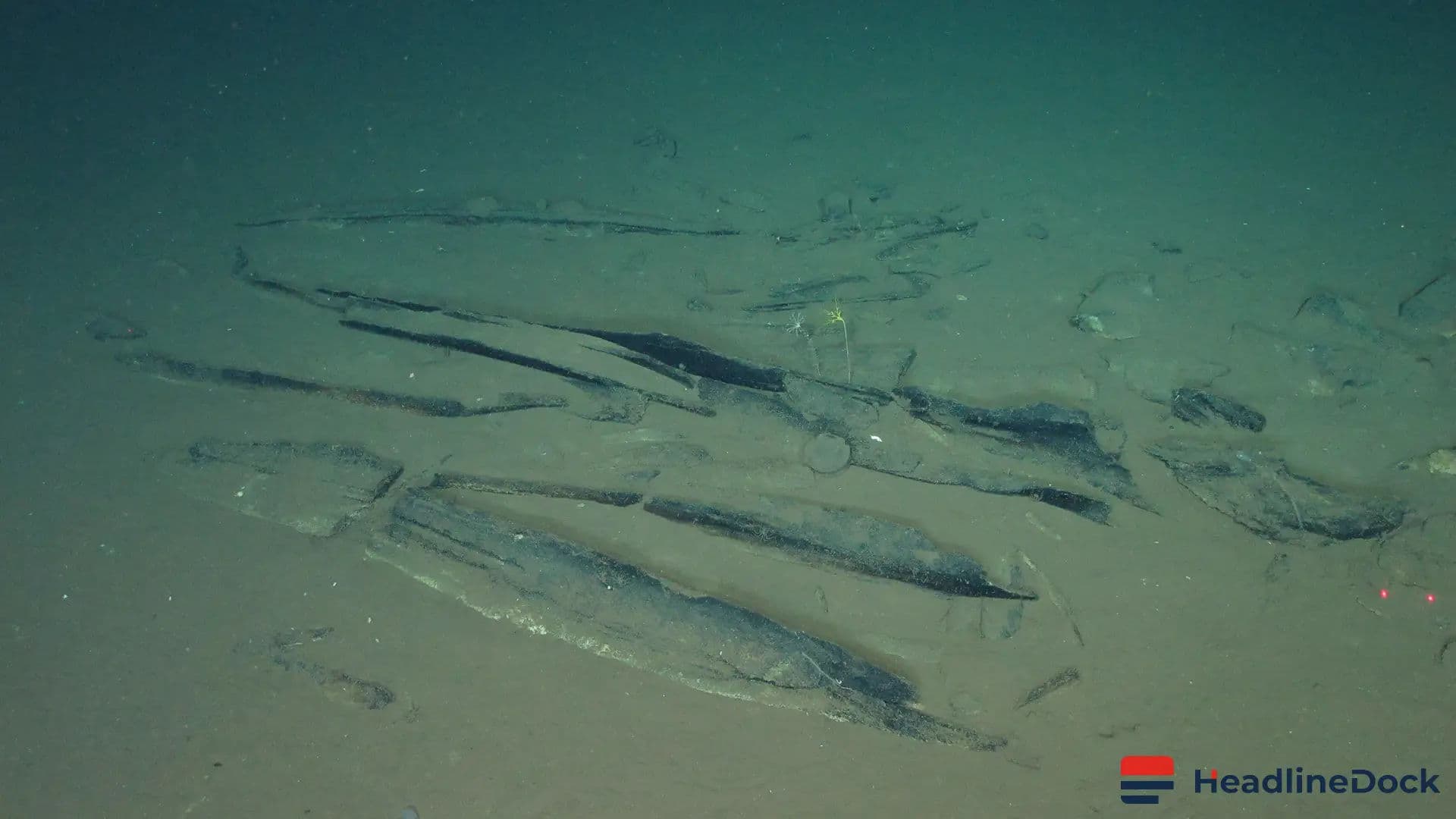
The discovery was made by a team led by Xiaotong Peng from the Chinese Academy of Sciences during an expedition in February 2023. Using the submersible Fendouzhe, the researchers identified an extensive collection of skeletal remains and fossils embedded in the sediment at depths ranging from 4,200 to 7,000 meters. Over the course of 32 additional dives, the team mapped the vast extent of this whale graveyard, which stretches roughly 1,200 kilometers along the seafloor.
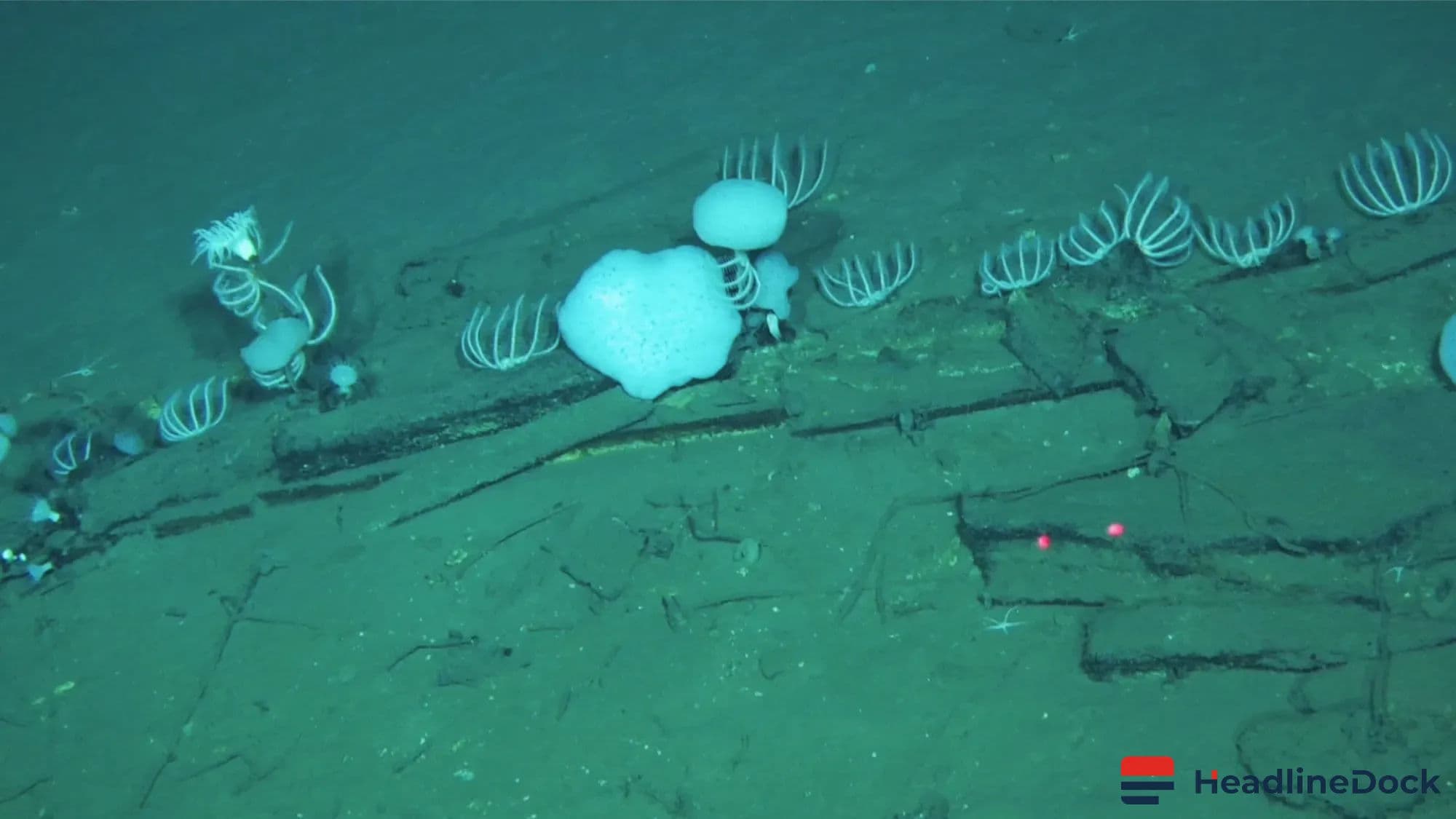
The site contains 476 identified whale fossils along with five active whale falls. These active sites have become habitats for a variety of deep-sea life, including jellyfish, brittle stars, and specialized bone-boring worms. Some of these organisms may be new to science, offering researchers fresh insights into deep-sea biodiversity. Among the recovered specimens, the team identified five different species of beaked whales and a sei whale, along with the discovery of a new, extinct species named Pterocetus diamantinae.
Significance of the Discovery
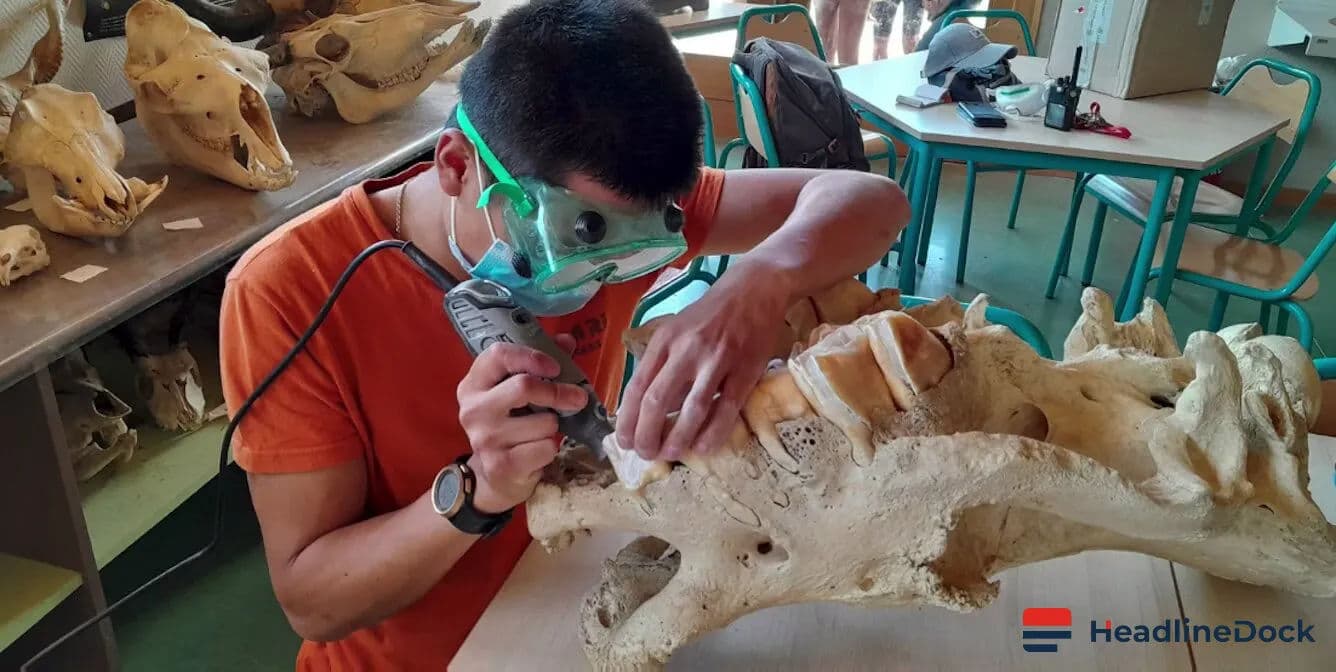
Through isotopic dating methods, scientists determined that the oldest fossils at this site are about 5.3 million years old. This whale graveyard offers a rare evolutionary window into the history of beaked whales, spanning from the Pliocene epoch to the modern day. Beaked whales are typically elusive offshore creatures known for their extreme diving capabilities, often reaching depths of one kilometer and holding their breath for over an hour.
The concentration of remains in this specific region is likely due to the V-shaped topography of the Diamantina Zone, which effectively funnels carcasses toward the seafloor. Additionally, the region is known as a habitat for various deep-diving whale species. This research serves as a profound reminder of the vast, unexplored mysteries of the deep sea. By continuing to investigate these remote environments, scientists hope to gain a deeper understanding of how these ecosystems have functioned and evolved over millions of years.