Do Whales Have a Musical Ear? The Science of Marine Bioacoustics
Scientific research into marine bioacoustics suggests that whales may possess a genuine sensitivity to music, mirroring human emotional responses to sound. This exploration highlights the need for a deeper understanding of cetacean sentience and the potential impacts of anthropogenic noise on marine ecosystems.
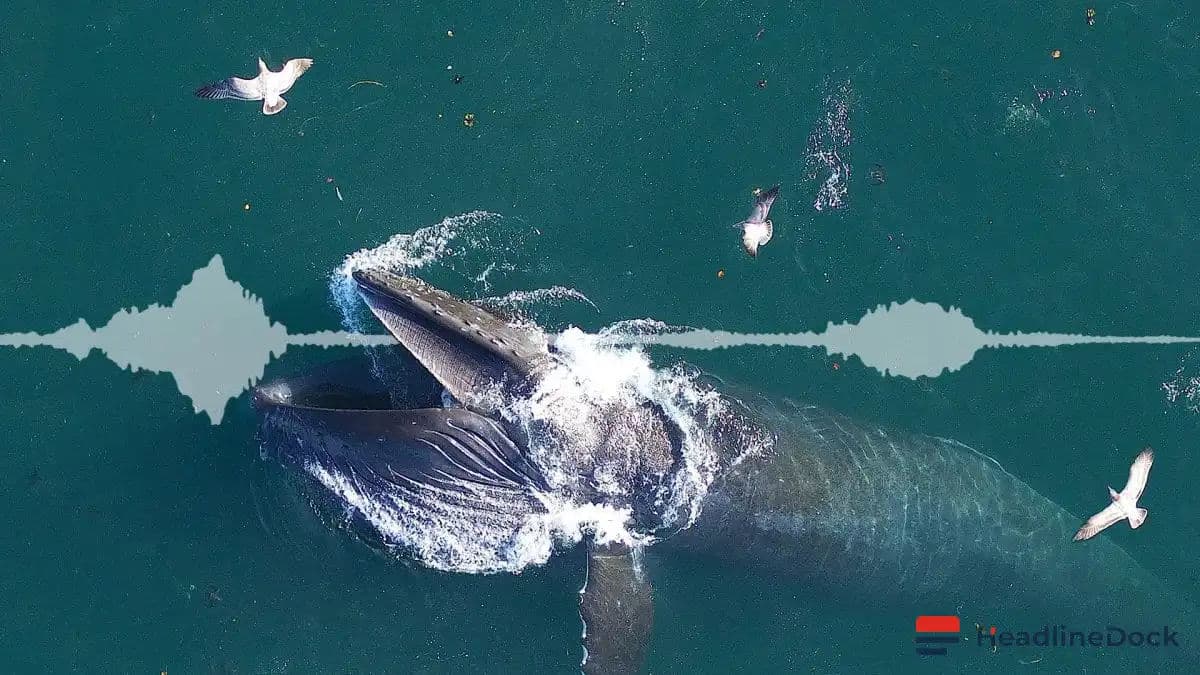
Recent investigations into marine bioacoustics have reignited the age-old question: do whales have a musical ear? As humanity explores deeper connections with non-human species, the potential for whales to perceive and respond to human-made music has moved from curiosity to a subject of serious scientific inquiry. While reports of interactions between musicians and humpback whales have persisted for years, researchers are now working to determine if these magnificent creatures truly appreciate music or if their reactions are merely incidental.
The Science of Whale Musicality
The release of the documentary La Baleine et le Musicien in June 2026 has brought fresh attention to this phenomenon. The film explores the experiences of musician Rone, who sought to understand if whales were genuinely drawn to his compositions after observing their behavior near his vessel. From a biological perspective, whales possess sophisticated auditory systems, including a cochlea and auditory nerve, similar to those found in humans. Studies have confirmed their acute sensitivity to various sound frequencies, proving that they are highly capable of detecting and processing complex acoustic patterns in their ocean habitat.
Historically, artists like David Rothenberg, Paul Spong, and Aline Pénitot have performed music for cetaceans in the wild, often reporting instances of bidirectional communication. In these accounts, whales have been observed emitting vocalizations that appear to mirror or respond to the musical notes played. However, distinguishing a specific response to music from general reactions to anthropogenic noise remains a critical challenge. Given that human-generated sounds in the ocean can be detrimental, leading to stress or displacement, scientists emphasize the importance of differentiating between harmonious sounds and harmful acoustic pollution.
Neurobiology and Behavioral Insights
Neuroscientific research suggests that the human brain processes music in regions distinct from those dedicated to speech or ambient noise, a factor that underscores our unique relationship with rhythmic patterns. Evidence from captivity, such as studies conducted by the University of Padua, indicates that classical music can foster affiliative behaviors among dolphins, including social interaction and synchronized swimming. While implementing similar controlled studies in the open ocean is notoriously difficult due to the mobility of these animals, researchers are increasingly utilizing suction-cup acoustic tags to gather objective data on whale behavior.
Furthermore, findings published in the journal Science by researchers at McGill University and Yale University have demonstrated that the emotional resonance of music may be a trait shared beyond humans. This discovery challenges traditional views of species superiority and encourages a more inclusive understanding of sentience. By acknowledging the cognitive and emotional depth of whales, society may find stronger motivation to preserve marine ecosystems and treat these intelligent inhabitants of our planet with the respect they deserve.
,curated_key_highlights:[