Juneteenth: The Enduring Struggle for Black Education After Slavery
Juneteenth serves as a powerful reminder of the historical struggle for Black education in America. Beyond the physical end of slavery, formerly enslaved people tirelessly pursued literacy and professional training, laying the foundation for modern educational equality.
Highlights
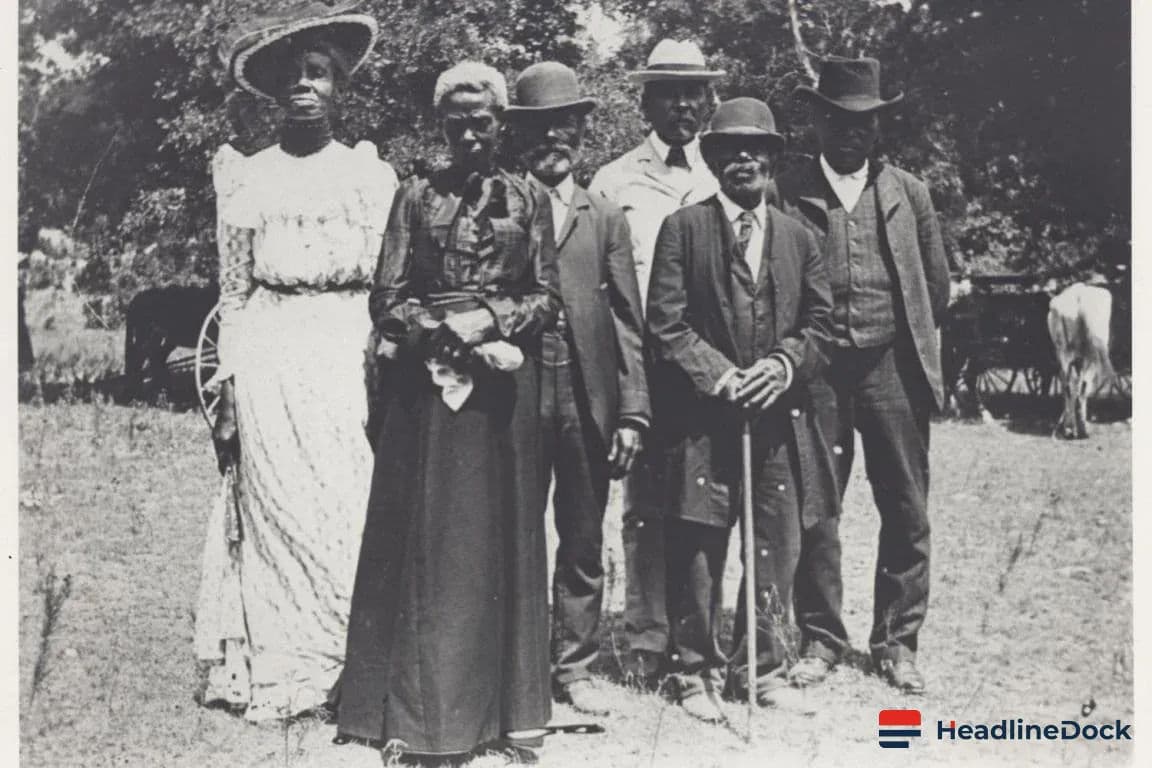
- •Juneteenth commemorates the 1865 announcement of freedom for enslaved people in Galveston, Texas.
- •Historically, Southern states enforced anti-literacy laws to prevent Black individuals from reading and writing.
- •Following emancipation, formerly enslaved people independently funded and built schools to pursue basic and professional education.
- •The rise of HBCUs, such as Howard University, provided vital paths for Black Americans to enter professional fields like law and medicine.
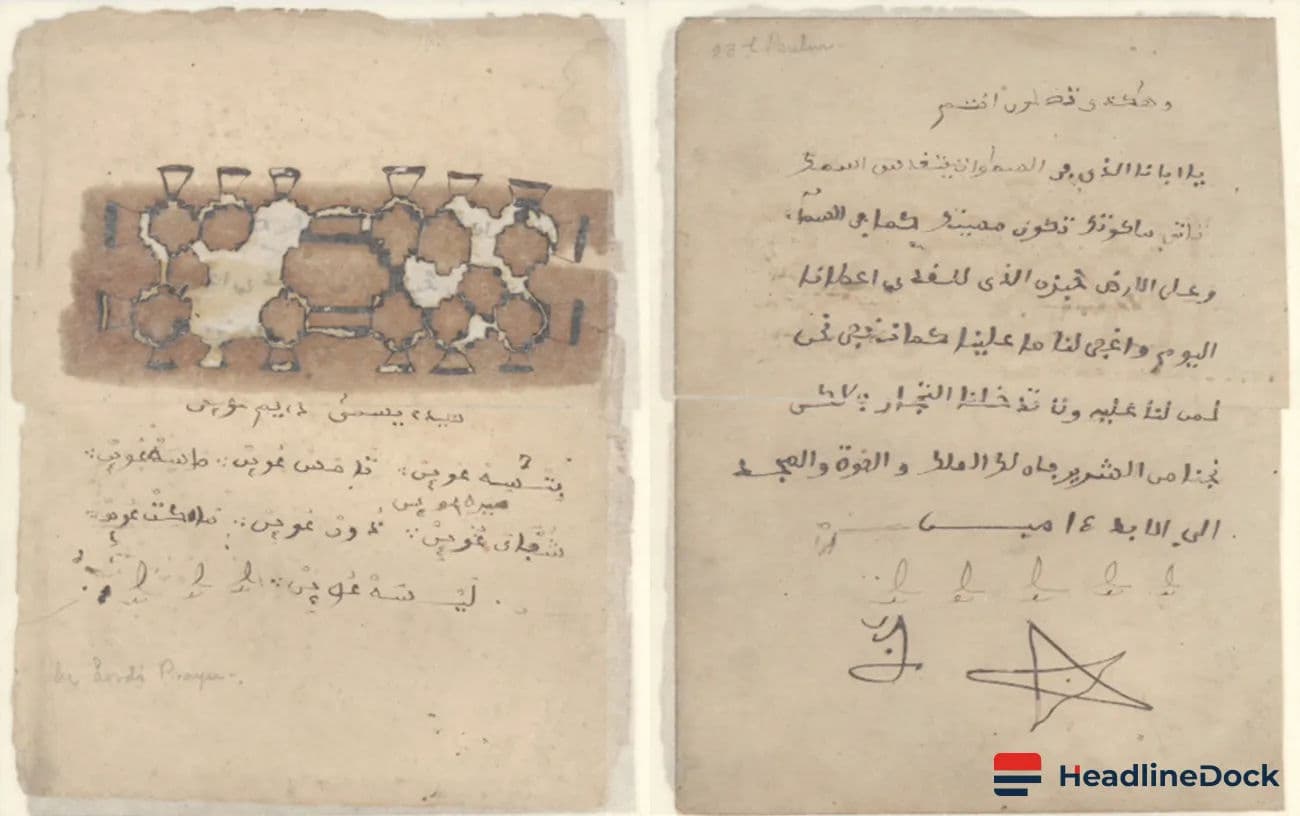
The celebration of Juneteenth offers a profound reminder of the enduring struggle for Black education in the United States following the formal abolition of slavery. While the holiday marks the day in 1865 when news of the 13th Amendment finally reached enslaved people in Galveston, Texas, the journey toward true intellectual and social liberation was far from immediate. For many, achieving freedom meant overcoming systemic barriers, particularly the historic denial of literacy.
The Battle for Literacy and Intellectual Freedom
The quest for Black education was met with severe opposition long before the Civil War concluded. During the antebellum era, specifically following the Stono slave rebellion of 1739, South Carolina introduced stringent anti-literacy legislation. Other Southern states soon adopted similar mandates between 1740 and 1834, intentionally criminalizing the instruction of reading and writing to both enslaved and free Black individuals. These measures were rooted in the fear that an educated population would organize against their oppressors.
Despite these draconian laws, the pursuit of knowledge persisted as a fundamental component of Black American resilience. Figures such as the renowned abolitionist Frederick Douglass demonstrated that literacy was viewed as a direct path to personal autonomy. Douglass, who was born into slavery in Maryland in 1818, famously defied prohibitions against his instruction, illustrating how reading served as a vital tool for mental liberation.
Building Educational Foundations After Emancipation
Following the end of the Civil War, formerly enslaved people prioritized establishing schools and learning environments. With limited resources, they organized classrooms in churches, homes, and even under the shade of trees. These early educational efforts were primarily funded by the newly freed individuals themselves, though they received some support from northern religious organizations like the American Missionary Association. The impact was significant; the illiteracy rate among the Black population in Southern states dropped from approximately 90% in 1865 to 70% by 1880.
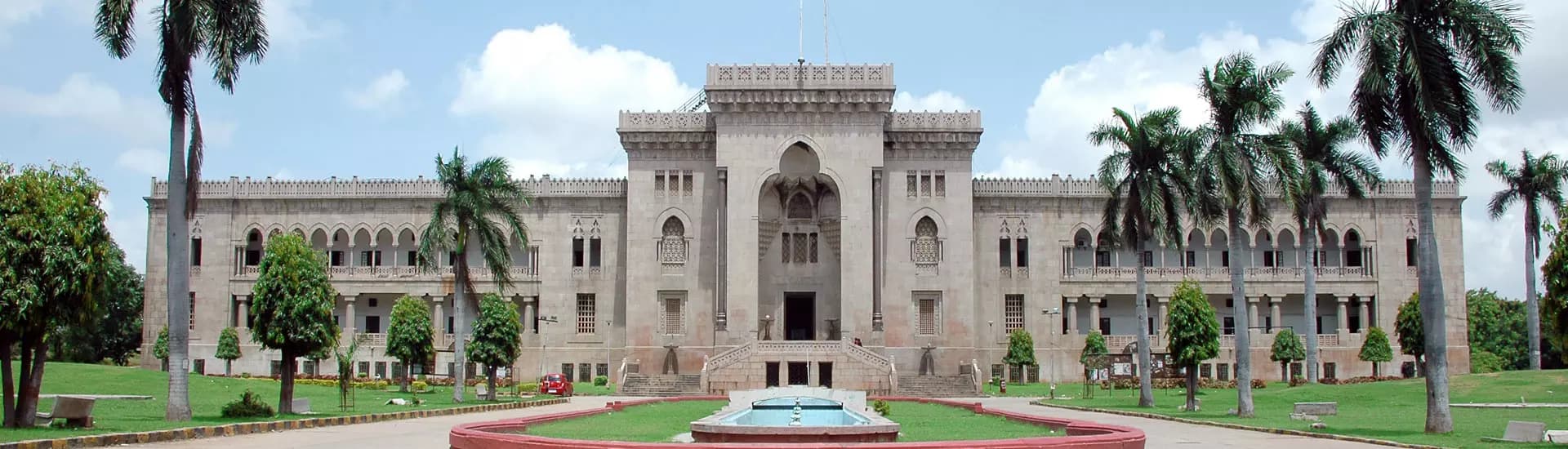
Higher education also became a critical target for advancement. Before the war even ended, institutions like Cheyney University were established to provide academic opportunities. In the 15 years following the conflict, 59 Historically Black Colleges and Universities (HBCUs) were launched. The creation of Howard University in 1867 by an act of Congress was a pivotal moment, offering advanced training in medicine, law, and education. These institutions provided the necessary framework for Black Americans to gain professional expertise and contribute to society as equal citizens, proving that the promise of liberty is intrinsically tied to the power of education.