Vimal Vidyalayam Reopens: Education Minister Lokesh Restores Landmark Vijayawada School
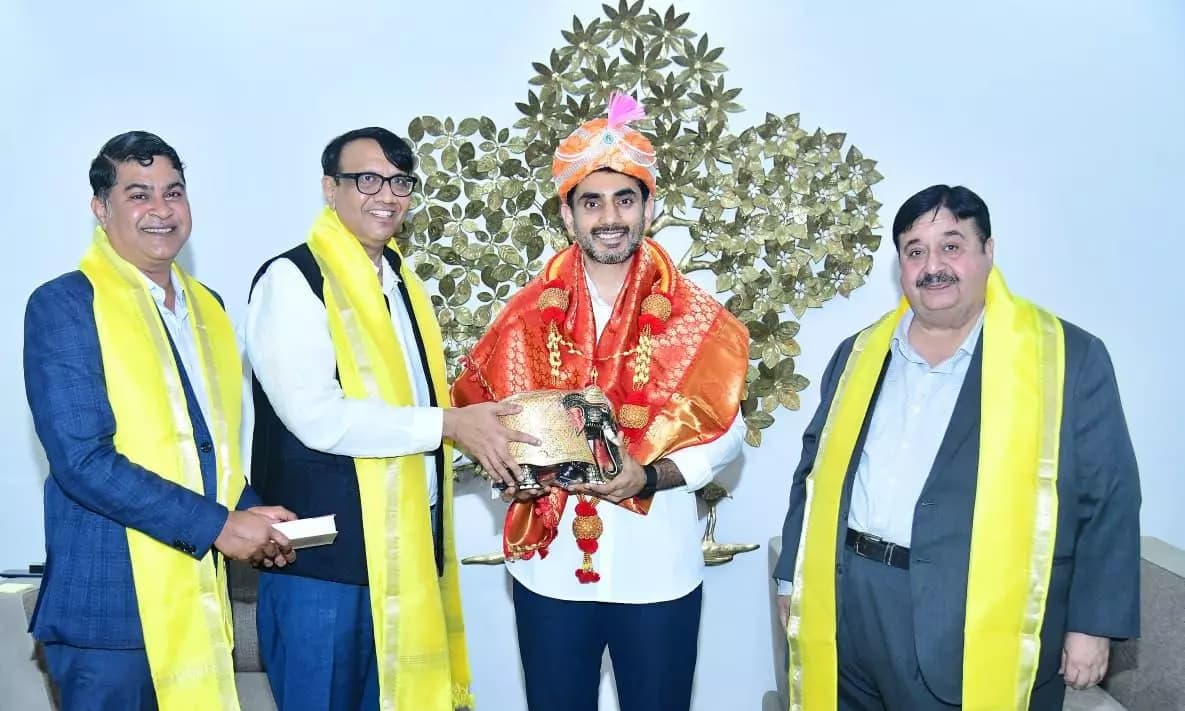
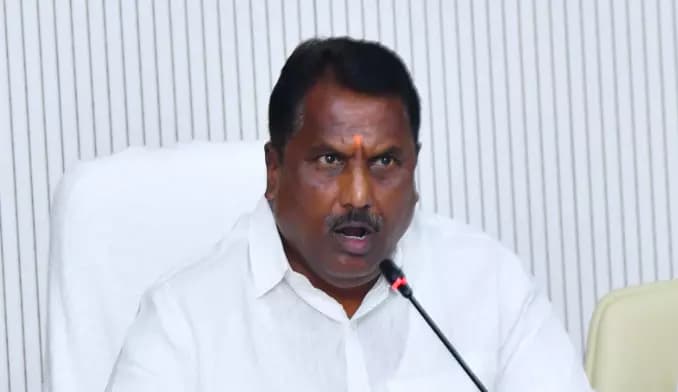
Education Minister Nara Lokesh has successfully revived the Vimal Vidyalayam in Vijayawada, which closed in 2024. The government has taken over its management, reinstating free education for hundreds of students and implementing the Dokka Seethamma Midday Meal scheme for all attendees.
Highlights
- •Vimal Vidyalayam in Vijayawada has officially reopened following its closure in June 2024.
- •The state government has taken over school management, adopting the Visakha Valley School model.
- •Over 770 students enrolled on the first day, demonstrating strong community support for the institution.
- •The Dokka Seethamma Midday Meal scheme has been implemented to provide nutritious meals for all students.
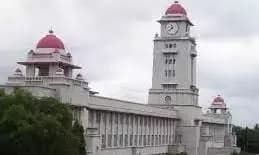
The prestigious Vimal Vidyalayam in Vijayawada has officially reopened its doors, marking a significant revival of a cornerstone institution that had suspended operations in June 2024. Following the abrupt withdrawal of financial support by Rashtriya Ispat Nigam Limited (RINL), the future of the school—which served thousands of children for four decades—had been left in uncertainty. This successful restoration has been spearheaded by Education Minister Nara Lokesh, who prioritized the return of high-quality, accessible education to the region.
Restoring Educational Heritage and Stability
The initiative to bring Vimal Vidyalayam back to life gained momentum after urgent appeals from Gajuwaka MLA and Telugu Desam Andhra Pradesh president Palla Srinivas Rao. Recognizing the historical importance of the school located in the Steel Plant Township’s Sector-6, Nara Lokesh coordinated across various governmental departments to ensure a smooth transition. The state government has now assumed full management responsibility for the institution, adopting the reputable Visakha Valley School model, with the local district collector serving as the chairman.
The official reopening took place on June 12, led by collector Abhishekh Kishore and MLA Palla Srinivas Rao. The local community responded with immediate enthusiasm, demonstrating the enduring legacy of the school. By the first day of operations, the institution saw a significant influx of students, including 55 children enrolled in UKG and 723 students across Classes 1 to 10. This strong turnout highlights how vital the school remains to the families of steel plant employees, contract workers, and those living in the surrounding 36 colonies.
Commitment to Student Welfare and Growth
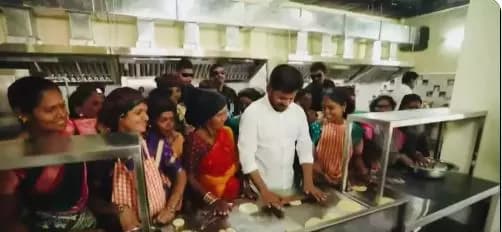
To ensure holistic support for its returning student body, the Education Minister has mandated the immediate implementation of the Dokka Seethamma Midday Meal scheme. This program guarantees that all students receive nutritious lunches, further cementing the school’s role as a provider of essential care and education. This development is part of a broader commitment by the leadership, which also includes facilitating a Rs. 12,000 crore package from the Central government to protect the long-term viability of the Visakha Steel plant.
Founded in 1984 as a collaborative agreement between RINL and the RC Diocese, the school was designed to offer free education to the children of the industrial workforce. By the time of its closure in mid-2024, the institution was supporting approximately 2,200 students and employing 100 staff members. With its revival, the government aims to restore educational stability for these families, ensuring that the institution continues its multi-decade tradition of serving the underprivileged and the industrial community of Vijayawada.