How Enslaved African Muslims Resisted Bondage Through Their Faith and Writing
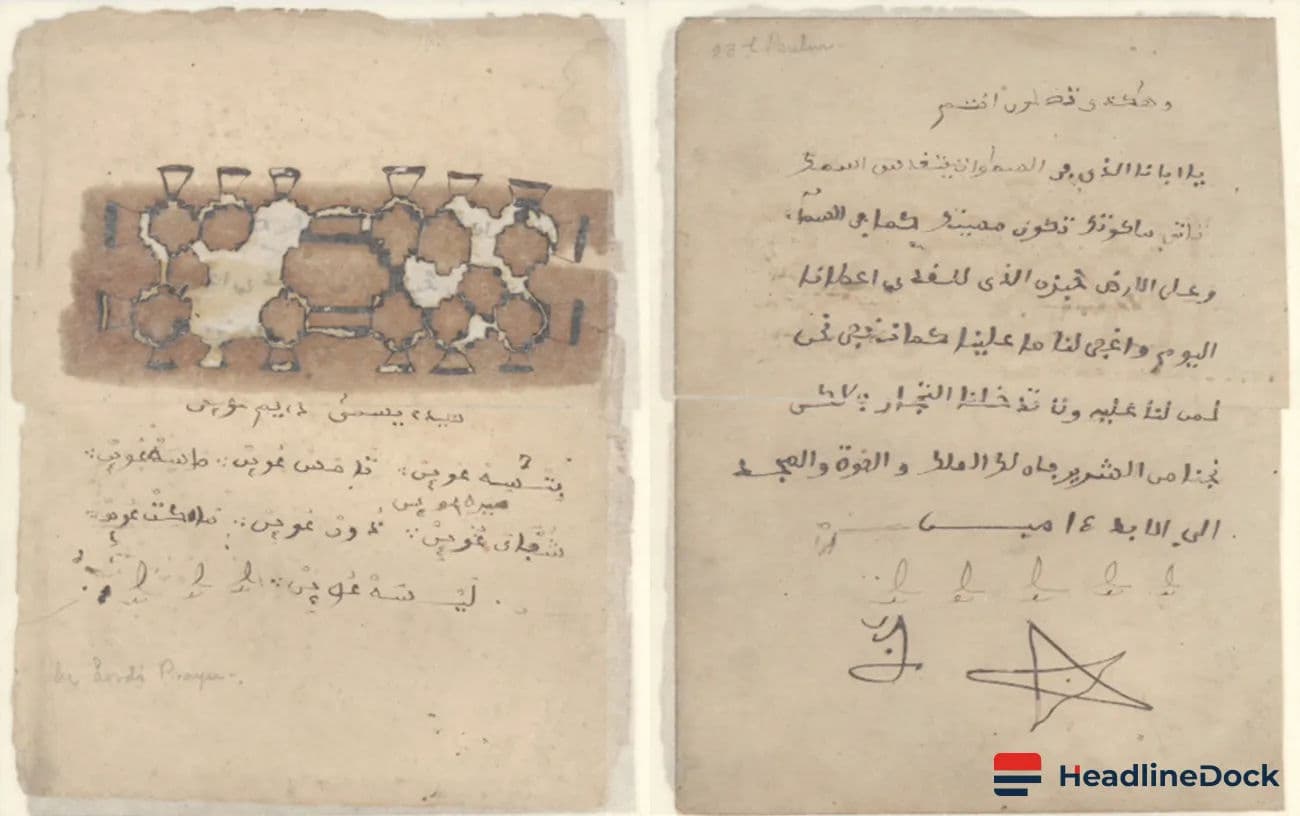
Enslaved African Muslims in early America utilized their literacy in Arabic and their deep Islamic faith as mechanisms of resistance. Through surviving writings and personal narratives, these individuals preserved their identity and challenged the institution of slavery during a pivotal era in American history.
Highlights
- •Up to 30% of Africans enslaved in the Americas were estimated to be Muslim.
- •Enslaved individuals used Arabic literacy to document their lives and challenge bondage.
- •Historical figures like Omar ibn Said and Ayuba Suleiman Diallo maintained their faith in captivity.
- •Enslaved women were crucial in preserving Islamic traditions and identity for future generations.
For centuries, enslaved African Muslims played a significant, though often overlooked, role in the history of the United States. While frequently subjected to forced labor, many of these individuals utilized their deep commitment to faith and their literacy in Arabic as powerful tools of resistance. Scholars suggest that as many as 30% of Africans brought to the Americas between the 16th and 19th centuries were followers of Islam.
The spread of Islam in West Africa dating back to the eighth century fostered a strong tradition of education and literacy. Upon their arrival in the Americas, many of these enslaved individuals relied on their faith for moral strength and mental resilience. By documenting their own stories in Arabic, they created records that bypassed the control of their captors, preserving their identities and cultural heritage.
The Legacy of Faith and Literacy
The narratives of individuals like Omar ibn Said, Ayuba Suleiman Diallo, and Abdul Rahman Ibrahima ibn Sori provide essential insights into this history. Omar ibn Said, a scholar born in Senegal, wrote an autobiography in Arabic while in bondage. By opening his manuscript with verses from the Quran, specifically Surah al-Mulk, he challenged the legitimacy of his enslavers, asserting that true authority rested only with God. His survival and the preservation of his writings remain a testament to his intellectual defiance.
Similarly, Ayuba Suleiman Diallo, known as Job Ben Solomon, used his faith to maintain his dignity. Despite being forced into labor, he continued to perform his daily prayers, often seeking refuge in the woods. His biography, published in 1734, stands as the first documented account of an enslaved African American, offering a rare look at his commitment to religious practice under extreme duress.
Abdul Rahman Ibrahima ibn Sori, a prince captured in 1788, maintained his link to his origins by tracing Arabic letters in the soil of his workplace in Mississippi. His story, which eventually reached international political circles, underscores the complexity of these individuals' lives. While some secured their freedom through these literary connections, many faced lifelong struggles.
Resilience Among Enslaved Women
While the stories of learned men are better documented, enslaved African Muslim women were equally central to preserving cultural and religious traditions. Although they often appear less frequently in historical texts, researchers have identified them through runaway notices. These women worked diligently to maintain their Islamic identity, bestowing Muslim names upon their children and sharing their faith within their communities. Today, these historical figures remain a vital part of the American story, as many African American Muslims continue to trace their roots back to these resilient ancestors.