US-Iran Deal to be Public Soon, Permanent Truce Still Pending
A nascent US-Iran deal, aimed at ending the Middle East conflict, introduces a 60-day ceasefire, allows for oil exports, and seeks to block Iranian nuclear development. Despite the agreement, significant geopolitical tensions persist, particularly regarding Israel's involvement and regional security.
Highlights
- •The new US-Iran deal provides a 60-day extension to the existing ceasefire to facilitate permanent truce negotiations.
- •The agreement permits Iran to resume oil exports and lifts blockades, including access to the Strait of Hormuz.
- •The US-Iran deal includes strict provisions to prevent Iran from developing nuclear weapons.
- •Israel has distanced itself from the current agreement, creating uncertainty regarding the military situation in southern Lebanon.
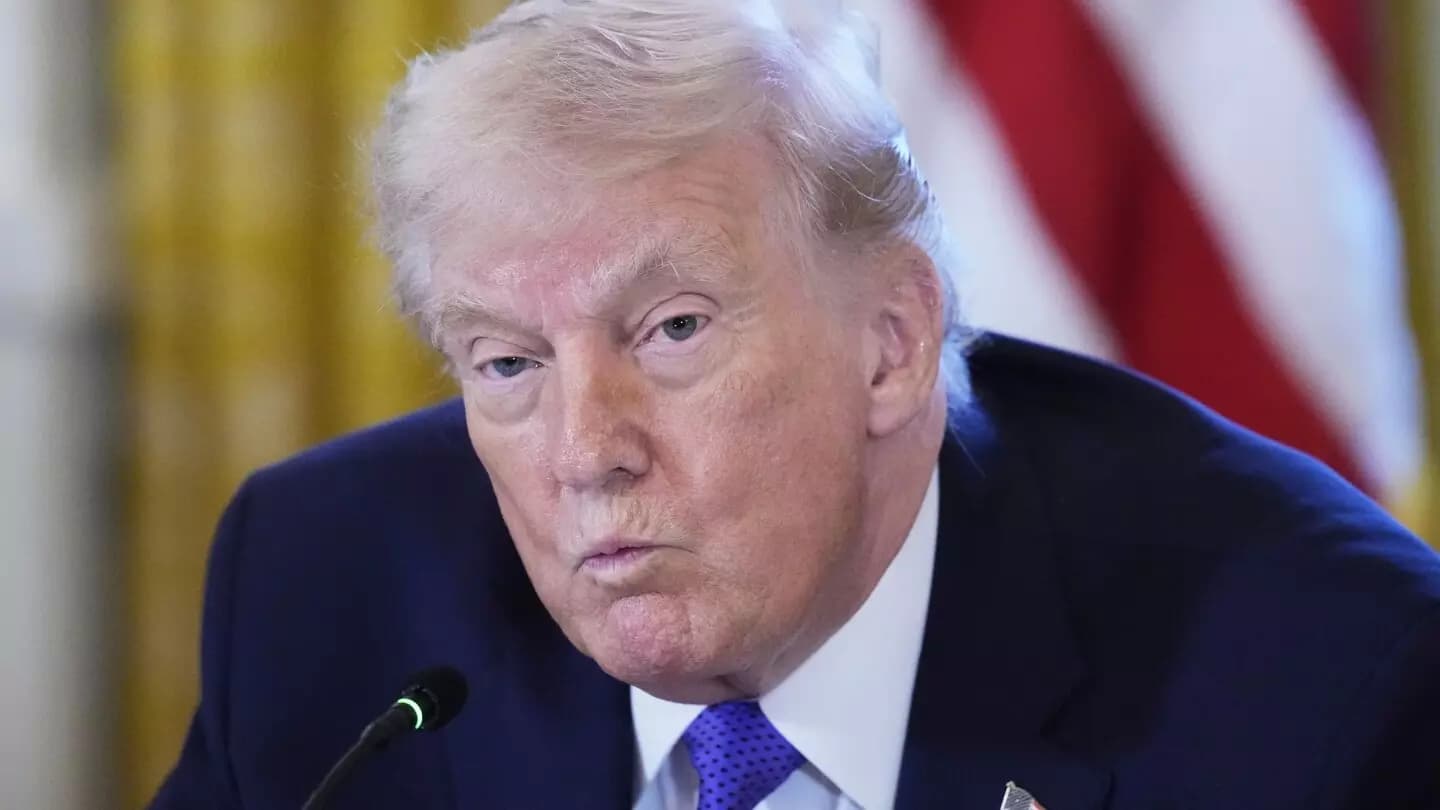
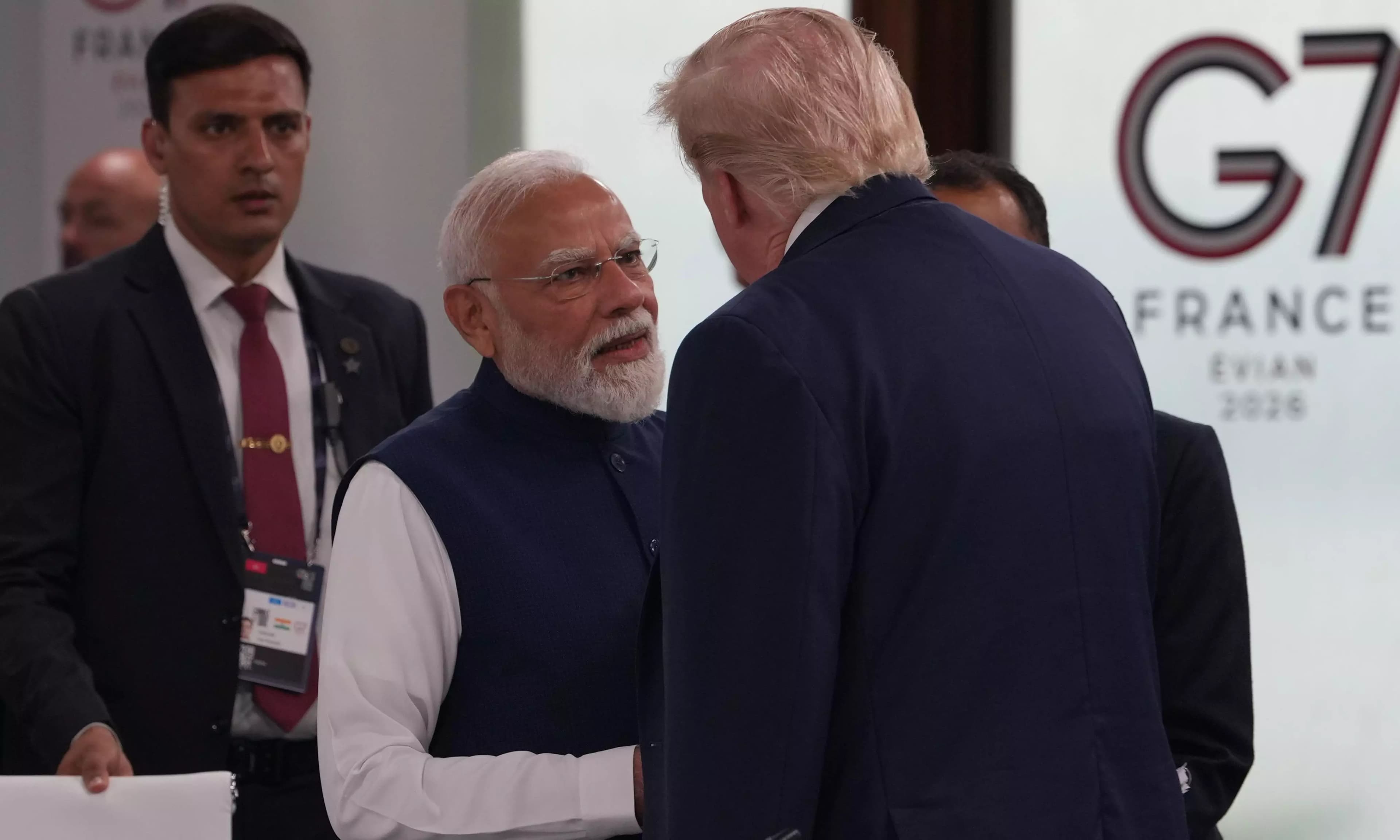
Recent reports highlight an emerging US-Iran deal aimed at de-escalating regional tensions and concluding ongoing conflicts in the Middle East. While full details remain forthcoming, U.S. President Donald Trump has indicated the agreement will effectively prevent Tehran from developing nuclear weapons. A senior U.S. official confirmed the interim framework permits Iran to resume oil exports immediately upon formal signing.
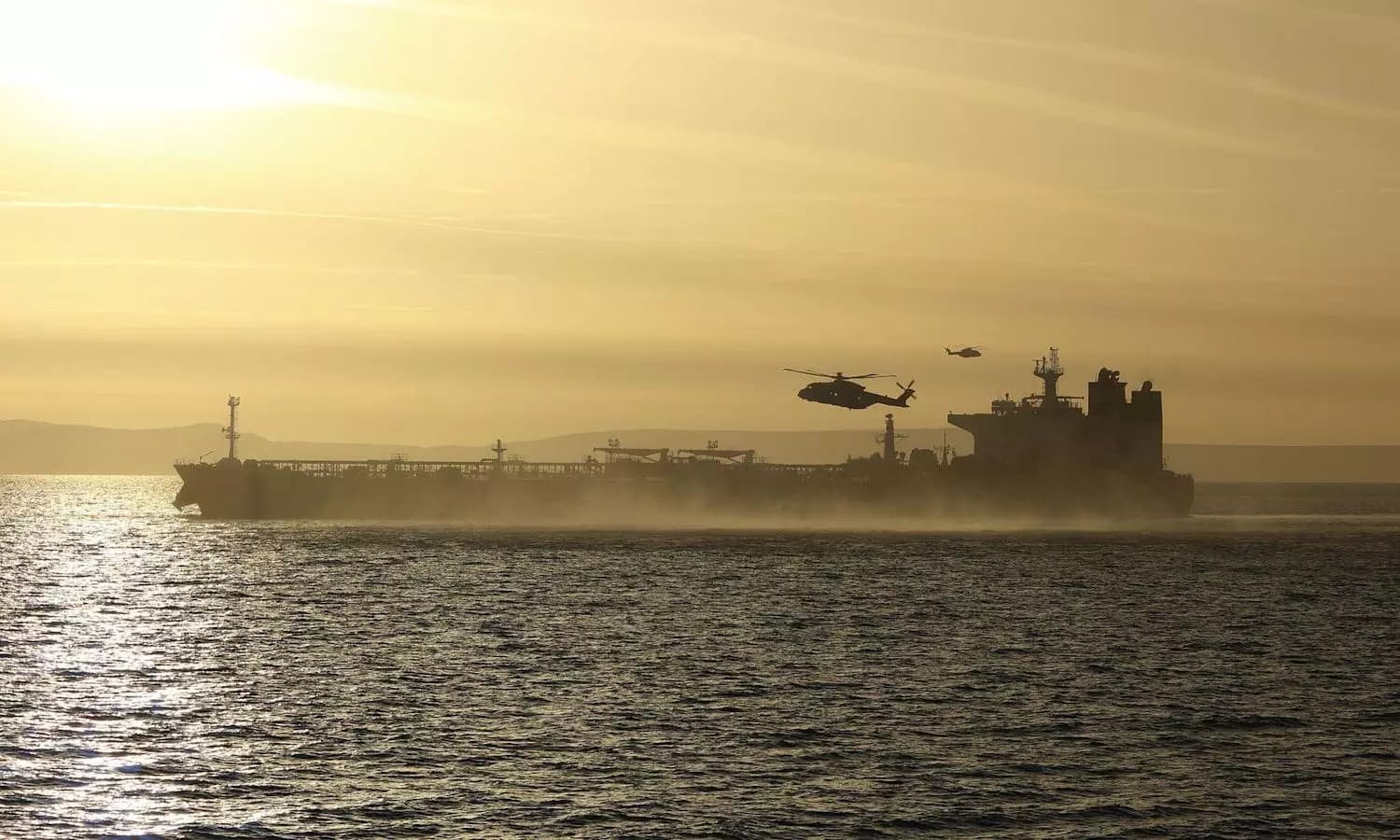
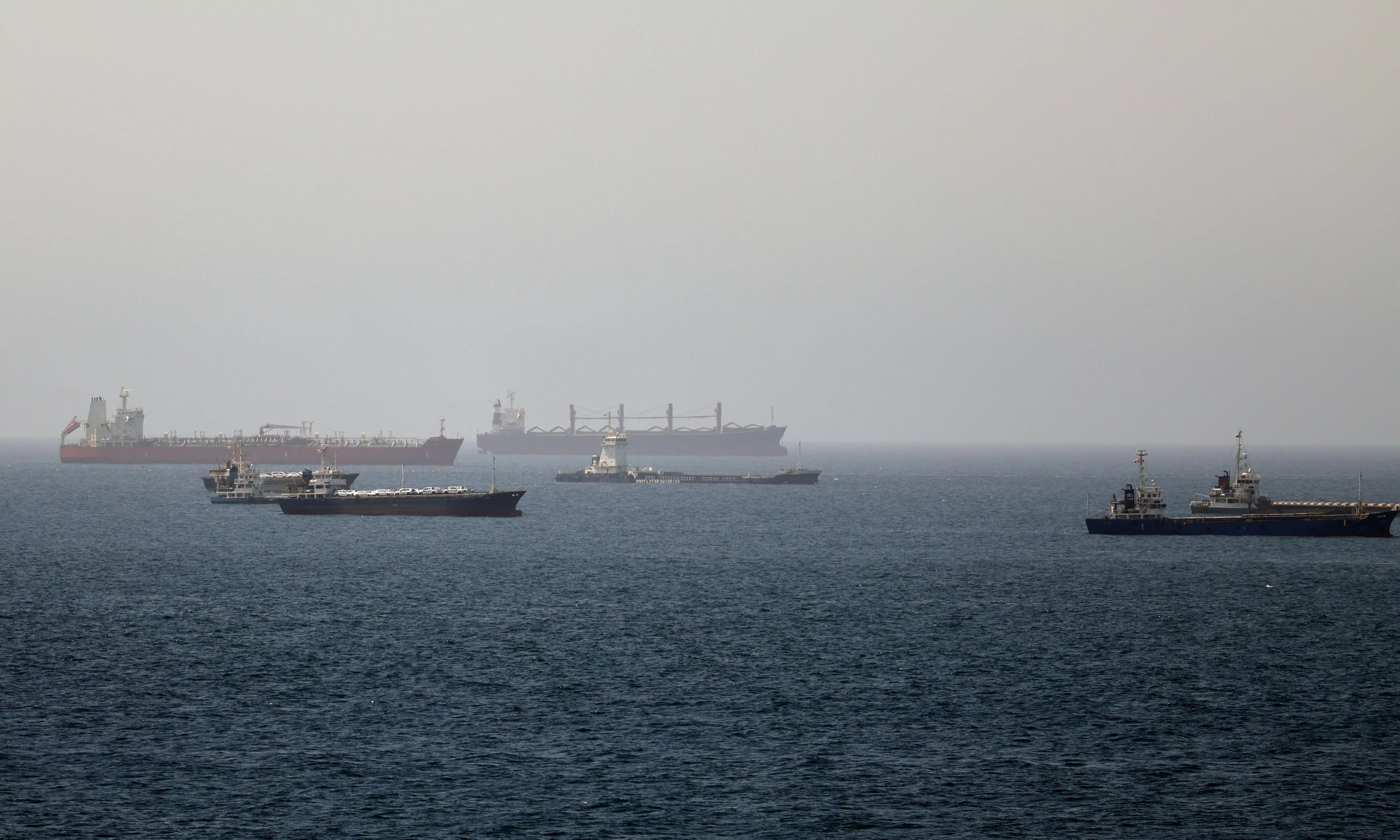
This memorandum of understanding, which has not yet been disclosed to the public, extends the ceasefire originally announced in April for an additional 60 days. This period is intended to provide diplomatic space for the involved nations to negotiate a more durable, permanent truce. The arrangement requires the United States to lift its naval blockade, while Iran commits to restoring the flow of oil tankers and maritime traffic through the Strait of Hormuz, an area effectively closed since late February following strikes involving the U.S. and Israel.
Key Terms and Strategic Implications of the US-Iran Deal
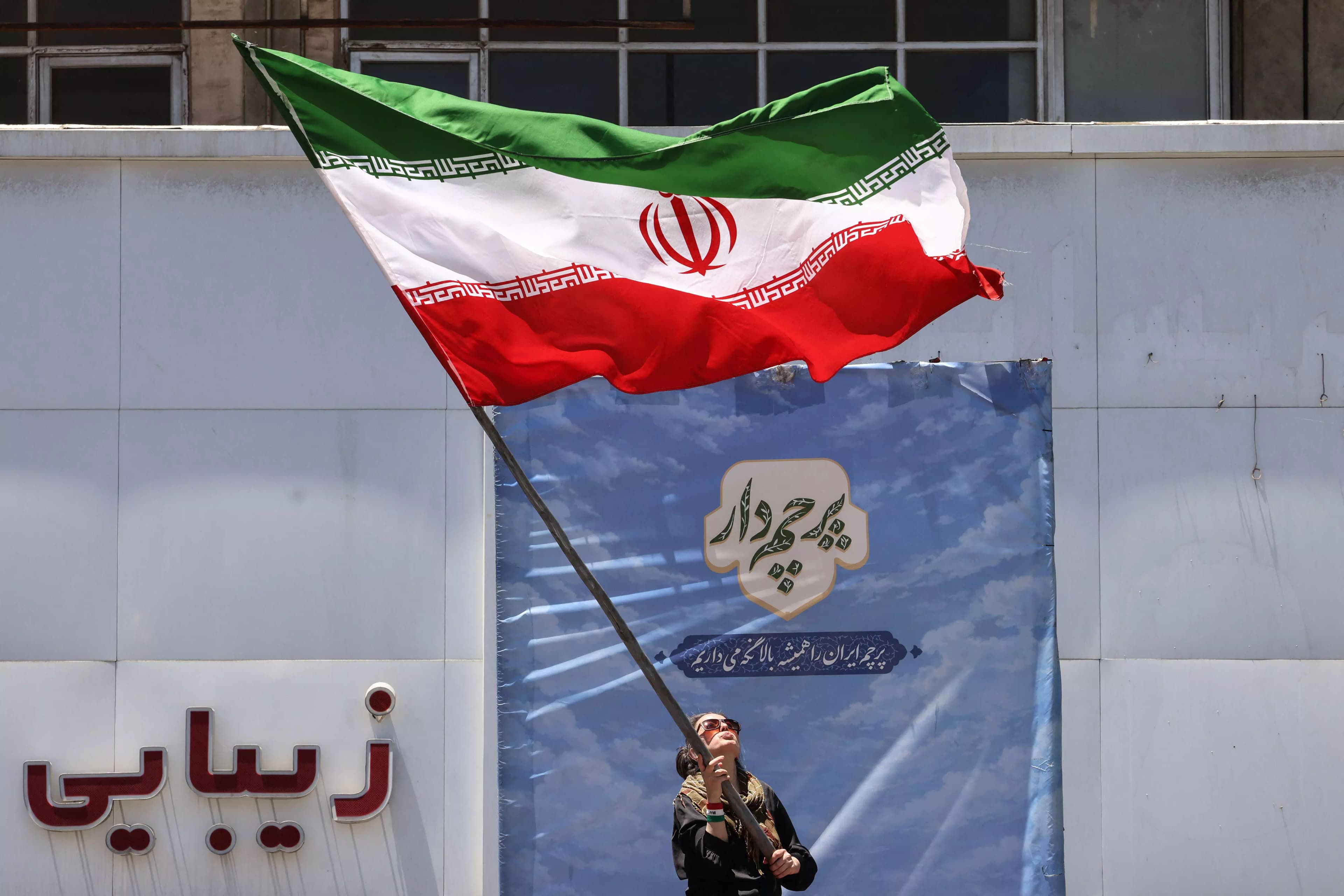
The accord aims to establish a clear policy prohibiting Tehran from pursuing a nuclear weapon, with the full text expected to be released in the coming days. Despite long-standing claims from Iran that its nuclear initiatives are strictly for peaceful purposes, the US-Iran deal seeks to address international concerns regarding regional stability. Notably, the agreement introduces provisions for banking, transportation, and insurance services to support Iranian trade, potentially lifting sanctions and unfreezing foreign assets to foster economic recovery.
However, the situation remains complex. Israel has maintained distance from these negotiations, with Prime Minister Benjamin Netanyahu asserting that his country is not bound by the terms and will not withdraw forces from southern Lebanon. The conflict has already resulted in over 7,000 casualties, largely impacting populations in Iran and Lebanon. Furthermore, the Khatam al-Anbiya Central Headquarters of the Iranian military has issued warnings regarding potential responses to continued Israeli military actions.
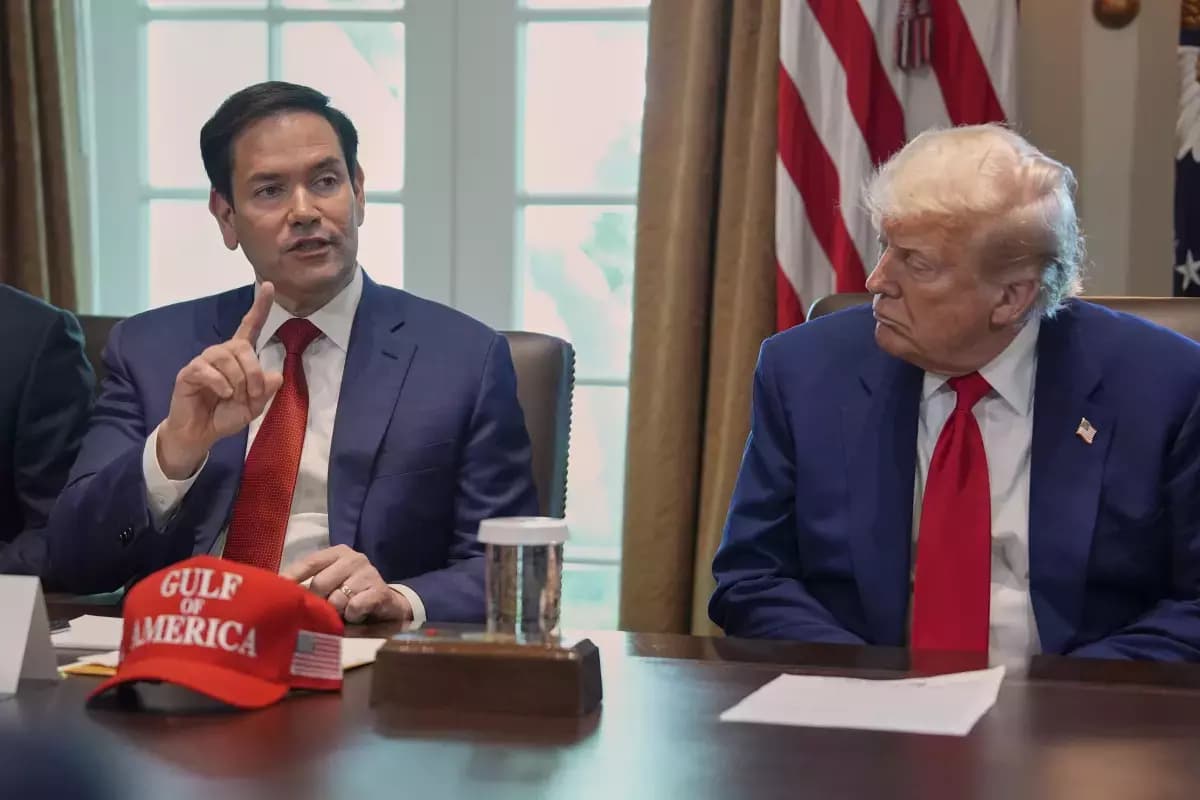
Political pressure is mounting for President Trump, as the agreement faces scrutiny from Republican lawmakers ahead of the November midterm elections. Additionally, the deal addresses the possibility of a $300 billion reconstruction fund, supported by neighboring Gulf states that were previously impacted by the fighting. As the world watches the Strait of Hormuz, shipping companies remain cautious, awaiting verification that the ceasefire will hold. While state-run media in Iran has reported the commencement of efforts to lift the maritime blockade, navigation remains subject to coordination with the Revolutionary Guards.