Senior US Officials Raise Skepticism Over New Iran Nuclear Deal Agreement
Senior US officials, including CIA Director John Ratcliffe, have expressed skepticism regarding the preliminary Iran nuclear deal. While President Trump advocates for the agreement to ensure regional stability, concerns persist about Iran's genuine commitment to nuclear concessions and intelligence reports indicating potential non-compliance.
Highlights
- •CIA Director John Ratcliffe has raised doubts about Iran's willingness to honor nuclear restrictions.
- •President Donald Trump announced a preliminary memorandum of understanding intended to de-escalate tensions.
- •Senior officials including Secretary of State Marco Rubio and Defense Secretary Pete Hegseth have expressed concerns.
- •The proposed deal aims to prevent Iran from obtaining nuclear weapons and protect energy supplies.
Serious concerns regarding the Iran nuclear deal have emerged from within the inner circles of the United States administration. Despite President Donald Trump announcing a preliminary breakthrough, several high-ranking officials remain skeptical about whether Tehran will genuinely fulfill its obligations under the proposed framework.
Internal Skepticism Surrounding the Iran Deal
According to recent reports, CIA Director John Ratcliffe delivered a stark warning to the President and other senior officials. Based on intelligence gathered, there are significant doubts regarding Iran's intent to adhere to the strict nuclear limitations that the United States is seeking to establish. The discrepancy between what Iranian officials communicate to external mediators and what they convey privately has fueled deep mistrust among American security leaders.
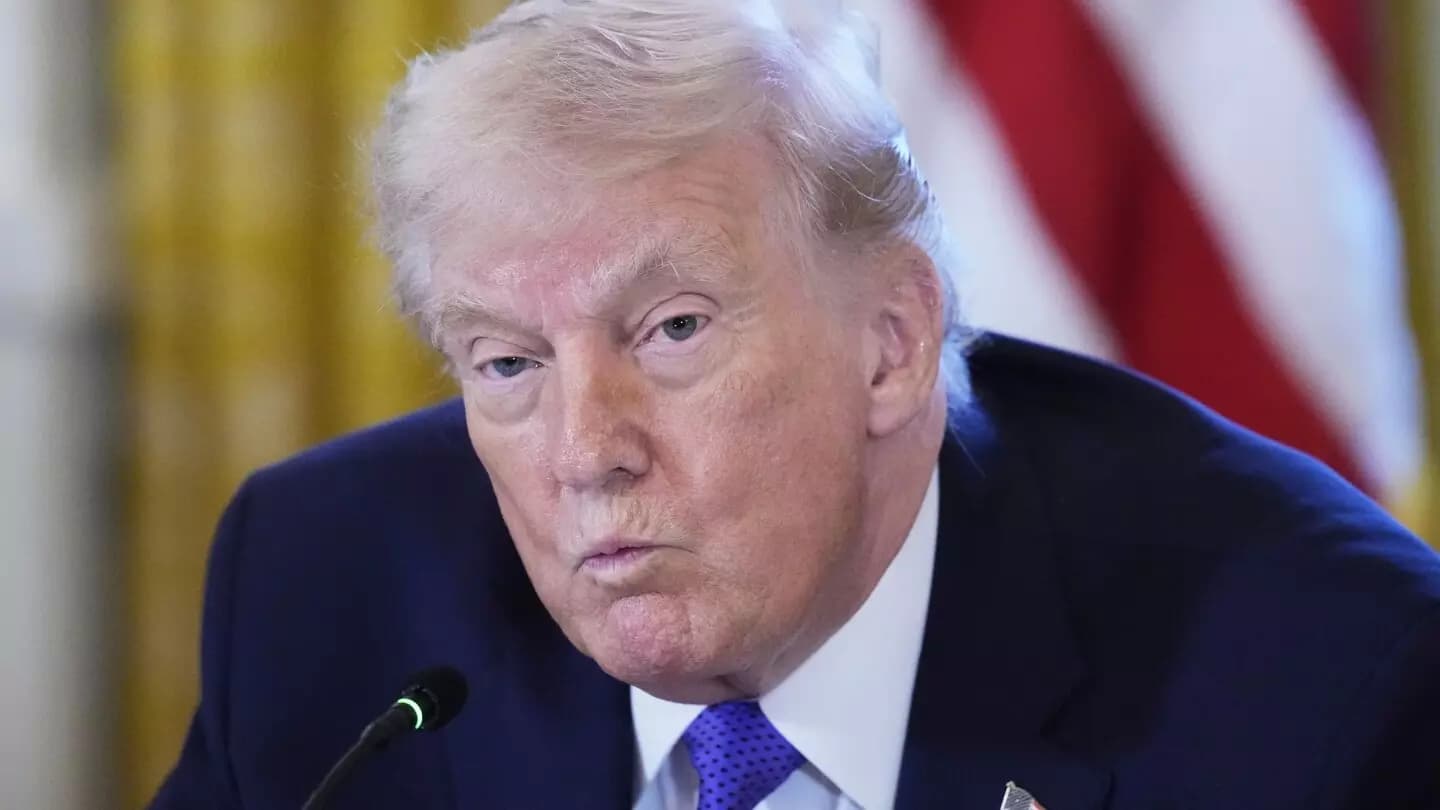
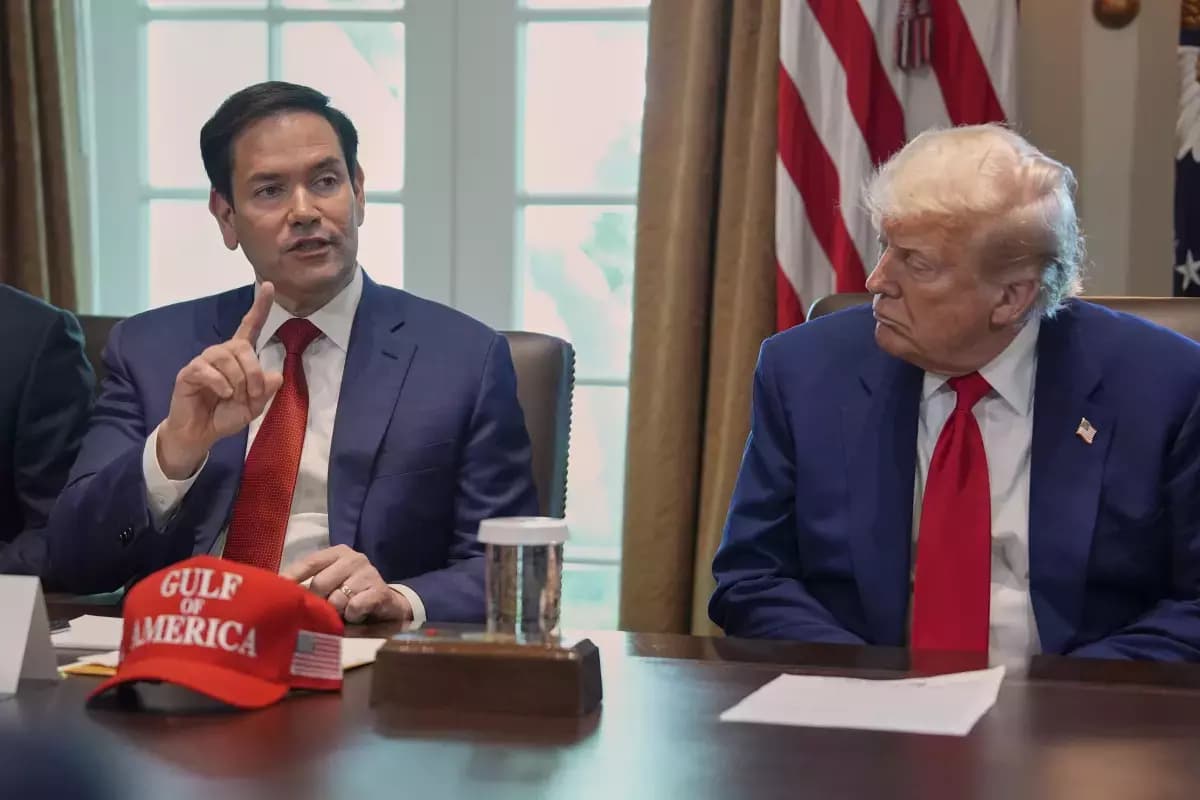
President Donald Trump recently declared that a memorandum of understanding (MOU) had been secured, framing it as a vital move to de-escalate regional tensions and ensure the secure flow of global energy through the Strait of Hormuz. However, internal deliberations reveal that the path to a final, binding agreement is far from certain. Alongside John Ratcliffe, Secretary of State Marco Rubio has expressed direct questioning regarding whether Tehran will ultimately commit to the necessary nuclear concessions.
Defense Secretary Pete Hegseth also voiced hesitations during internal policy discussions. Conversely, the diplomatic effort has found staunch support from Vice President JD Vance, as well as envoys Steve Witkoff and Jared Kushner, who have advocated for advancing the initiative. In response to the growing discourse, a White House representative defended the administration's position, asserting that the President carefully weighed various perspectives before finalizing his decision and maintains ultimate authority.
Evaluating the Nuclear Framework and Future Negotiations
The White House maintains that the established MOU aligns with primary national security objectives, specifically aiming to prevent Iran from developing nuclear weaponry, capping its stockpile of highly enriched uranium, and protecting global energy infrastructure. While the framework sets these goals, the specific provisions remain subject to intensive negotiations over the coming 60 days.
While the CIA and the State Department have opted not to provide official commentary on these internal intelligence concerns, the Pentagon has emphasized that Secretary Hegseth remains supportive of both the ongoing peace efforts and the broader foreign policy objectives set by the administration. As the two-month negotiation window opens, the primary challenge remains reconciling the stated commitments of the Iran nuclear deal with the intelligence assessments indicating potential non-compliance.