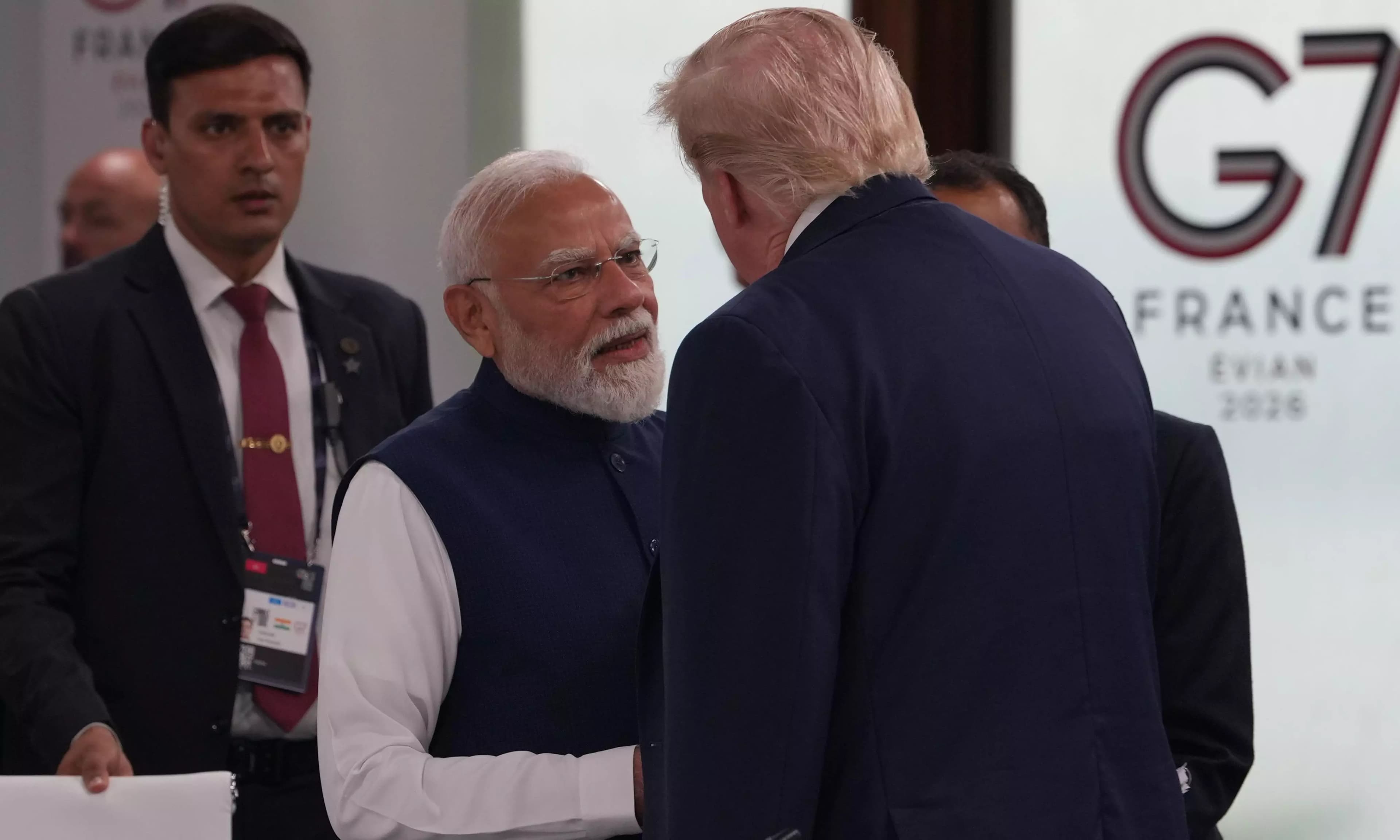
G7 Summit Faces Diplomatic Tensions Following Past Jabs by Donald Trump
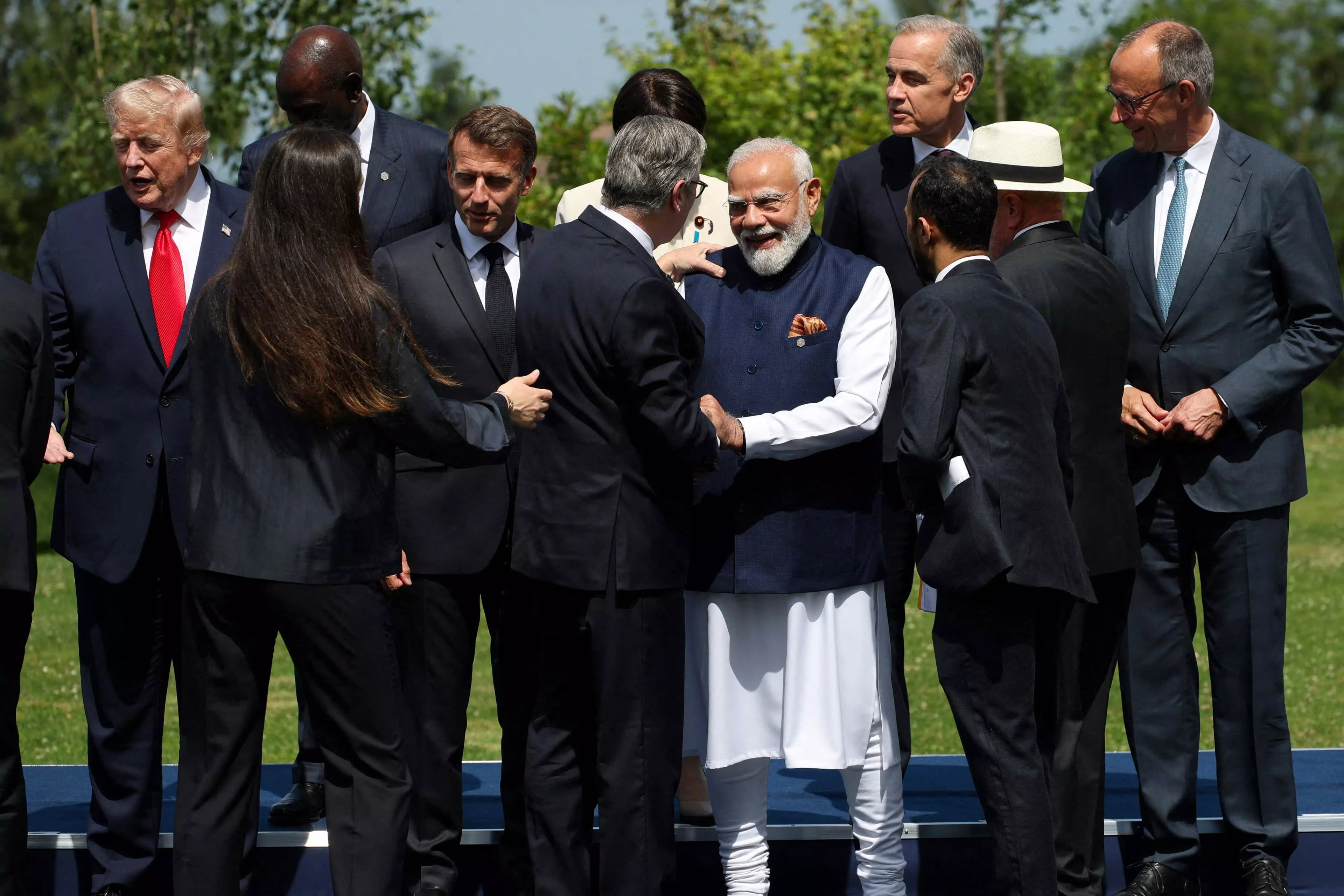
As the G7 summit approaches, President Donald Trump’s history of public friction with various world leaders creates an atmosphere of uncertainty. The gathering will address major issues like the Iran war, trade, and regional conflicts amidst delicate interpersonal dynamics.

Highlights
- •President Trump heads to a G7 summit marked by previous diplomatic friction with participating world leaders.
- •The agenda focuses on the Iran war, Chinese trade policy, and the ongoing conflict in Ukraine.
- •Multiple leaders, including those from the UK, Canada, France, and Italy, have faced public criticism from the U.S. president.
- •Awkward historical references by Trump during bilateral meetings have further complicated international relations with key allies.
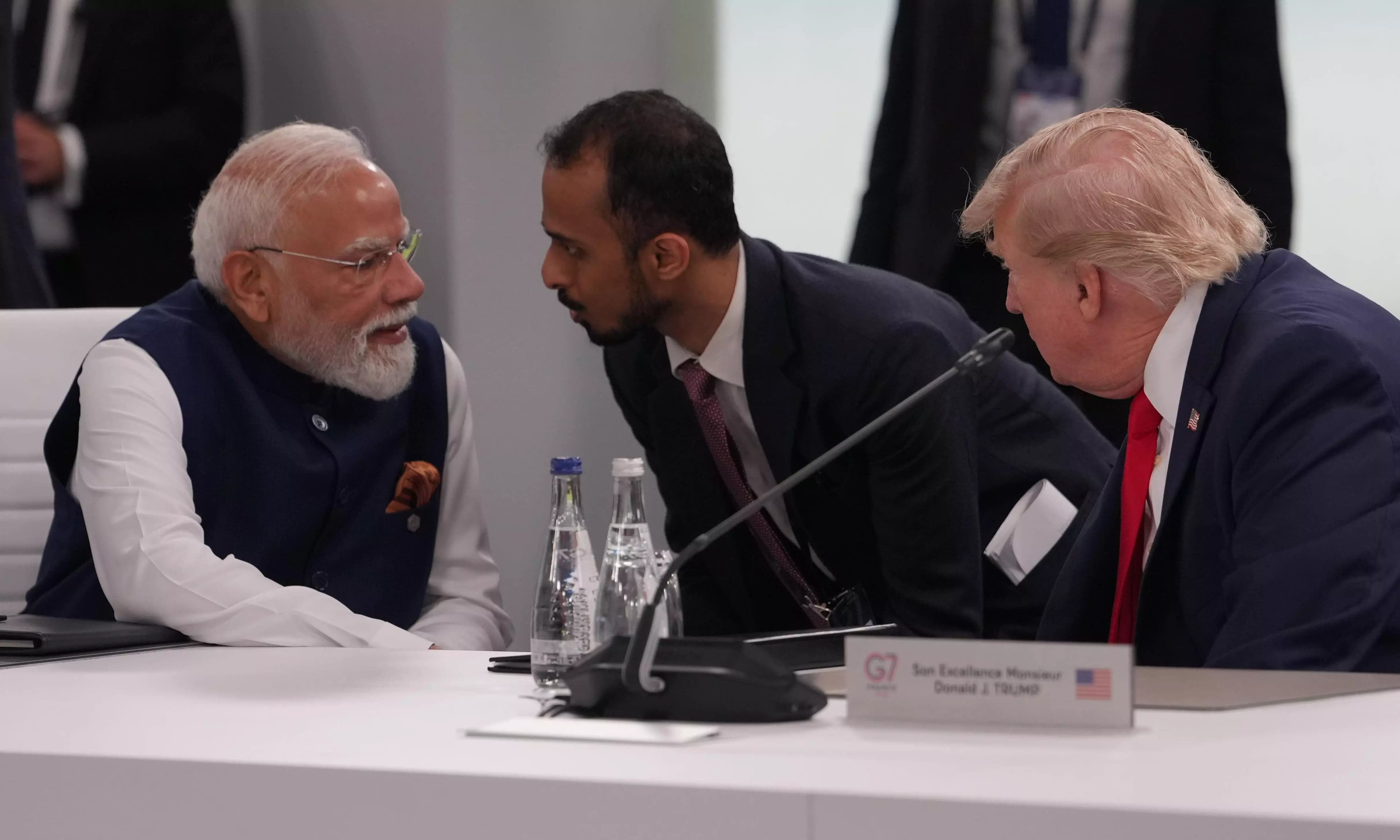
As President Donald Trump prepares for a high-stakes summit in the French Alps, a palpable sense of unease looms over the gathering. The meeting brings together a group of global leaders who have previously found themselves in the direct line of fire of the United States administration’s rhetoric. This G7 summit is expected to be marked by internal tensions, as participants navigate the complexities of their relationships with a leader who often favors unilateral approaches to international affairs.
Managing Diplomatic Friction at the G7 Summit
The upcoming three-day conference will focus on critical global issues, including the recent agreement to conclude the war in Iran, policies surrounding Chinese trade, and the ongoing conflict in Ukraine. Observers compare the gathering to a strained family event, where leaders aim to maintain professional decorum while underlying grievances threaten to surface. The dynamic underscores a challenging period for traditional alliances, particularly as the U.S. appears increasingly determined to act independently on the world stage.
Specific friction points have been well-documented. British Prime Minister Keir Starmer has faced sharp rebukes from Trump regarding immigration, renewable energy, and hesitation to support military strikes in the Middle East. Similarly, Canadian Prime Minister Mark Carney has been subject to persistent criticism over trade imbalances. The interpersonal conflicts extend further, with French President Emmanuel Macron and Italian Prime Minister Giorgia Meloni also navigating direct challenges to their leadership and policy decisions from the U.S. president.
Historical References and Uncomfortable Exchanges
The atmosphere of the G7 summit is further complicated by Trump's history of utilizing unconventional, and often polarizing, communication styles. During interactions with leaders such as Japanese Prime Minister Sanae Takaichi and German Chancellor Friedrich Merz, the U.S. president has invoked sensitive historical references, including the attack on Pearl Harbor and the liberation of Western Europe during World War II. These remarks have left counterparts in difficult positions, forcing them to balance national interests with the need to maintain a diplomatic working relationship with their American ally.
As these leaders congregate in France, the world will be watching closely to see if they can move past these personal jab-laden histories to forge a unified path forward. The volatility of these interactions remains a significant factor, with the potential for passive-aggressive exchanges or sudden escalations during the discussions. Ultimately, the success of the summit may well depend on the ability of these global heads of state to prioritize collective stability over past personal friction.