US-Iran Deal: Implications for Global Order and India's Strategic Autonomy
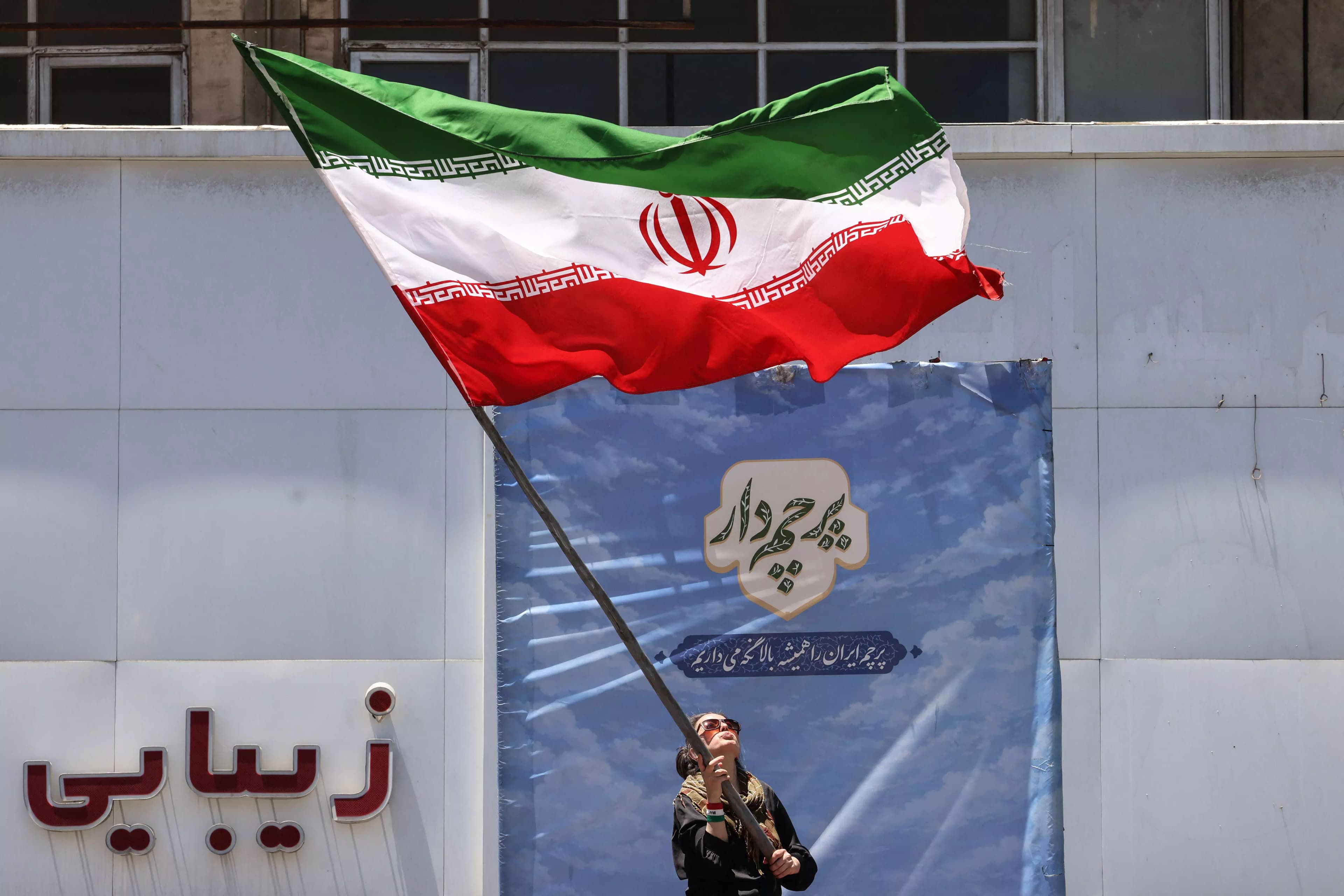
A landmark US-Iran deal, formalizing in Geneva, aims to end regional conflict and reopen the Strait of Hormuz. The agreement carries significant implications for global diplomacy, requiring India to reassess its strategic alliances and foreign policy amidst shifting dynamics in the Gulf.
Highlights
- •The US and Iran have reached an agreement to be formalized in Geneva on June 19.
- •The deal includes reopening the Strait of Hormuz and a two-phase conflict resolution process.
- •Iran reaffirms its commitment to the NPT while receiving access to frozen funds and sanctions waivers.
- •India must navigate shifting regional alliances following the deal to maintain its strategic interests.
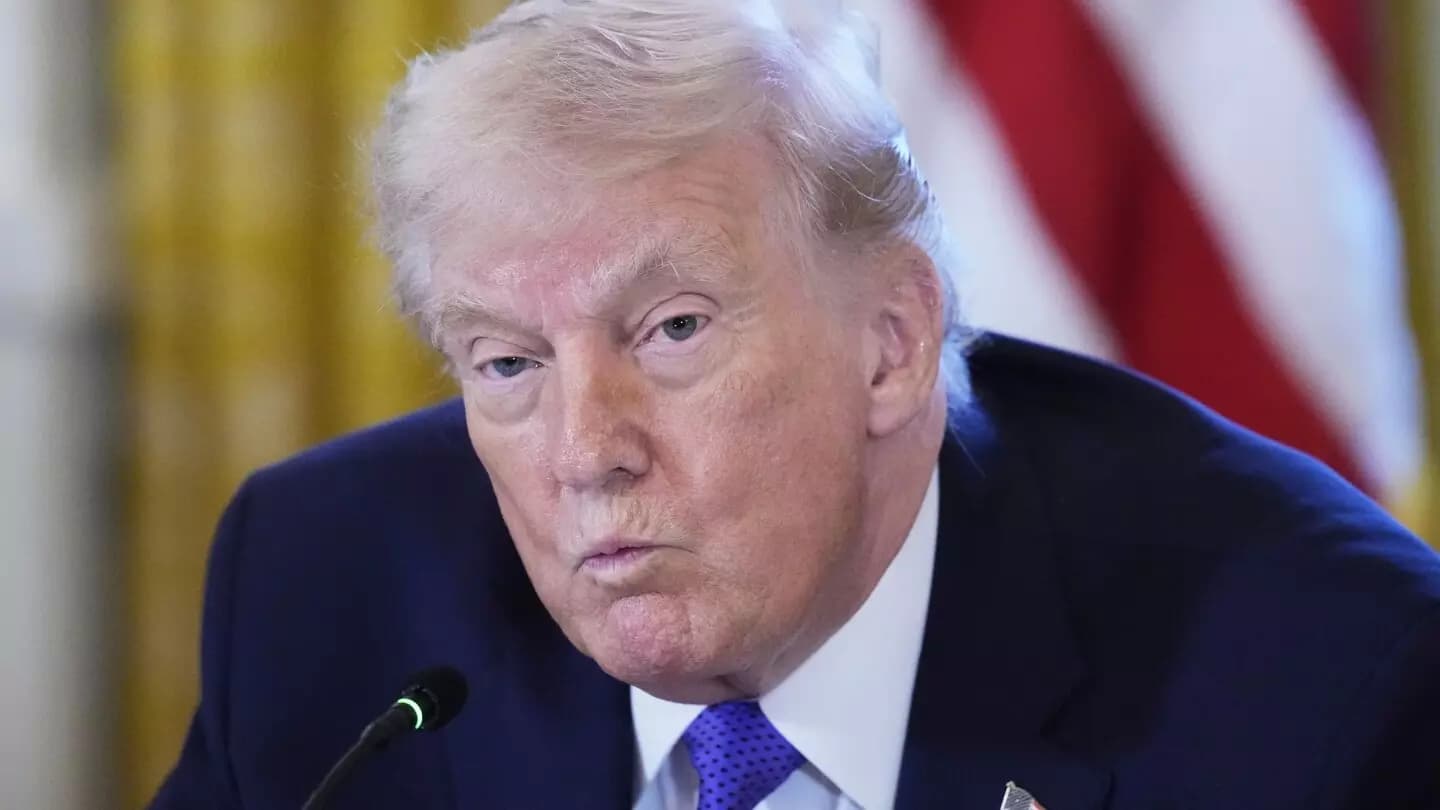
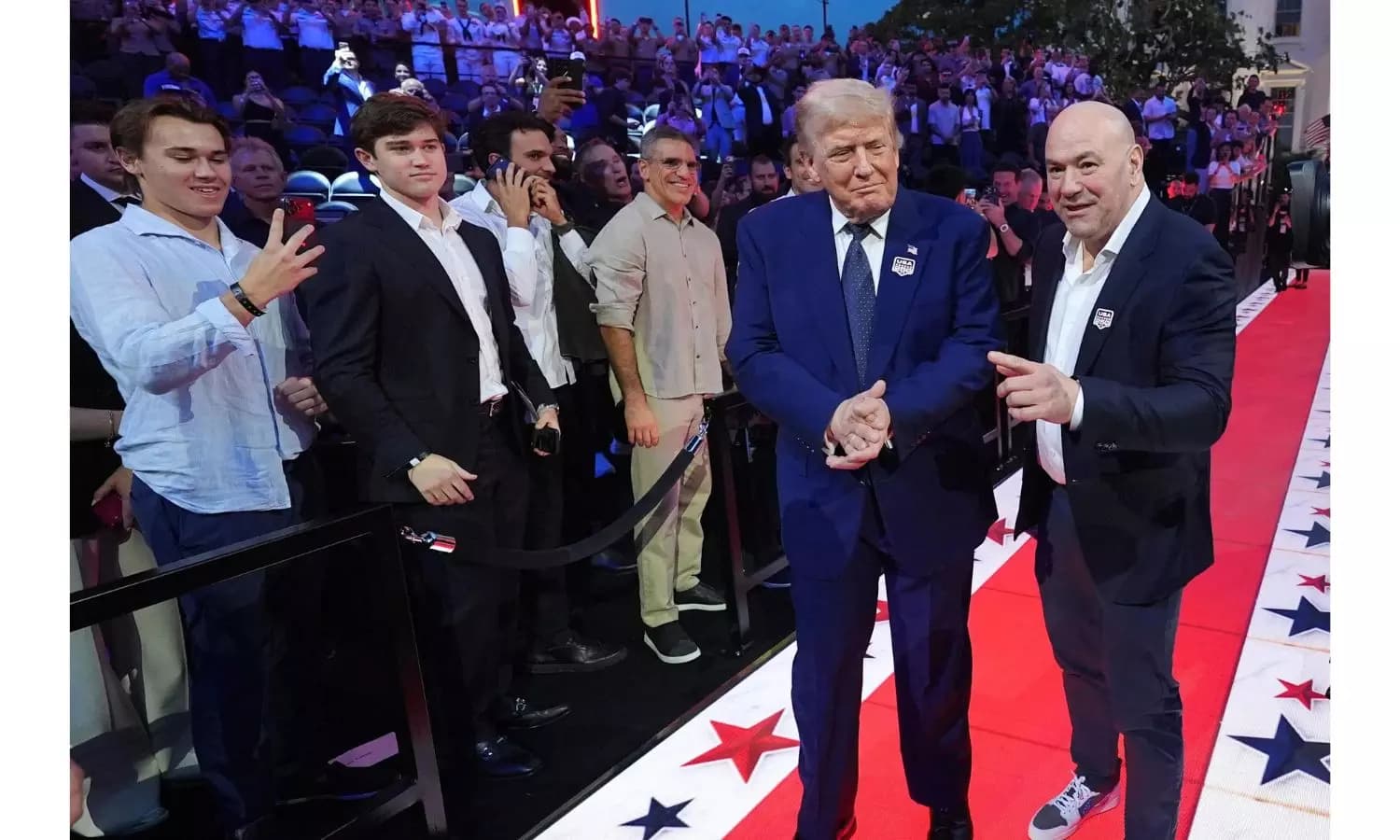
A significant US-Iran deal has been finalized, marking a potential shift in the regional geopolitical landscape. The agreement, which coincides with the 80th birthday of President Donald Trump, is set to be formalized through a memorandum of understanding (MoU) in Geneva on June 19. This development aims to de-escalate tensions that have long characterized the relationship between the two nations.
Understanding the Phases of the US-Iran Deal
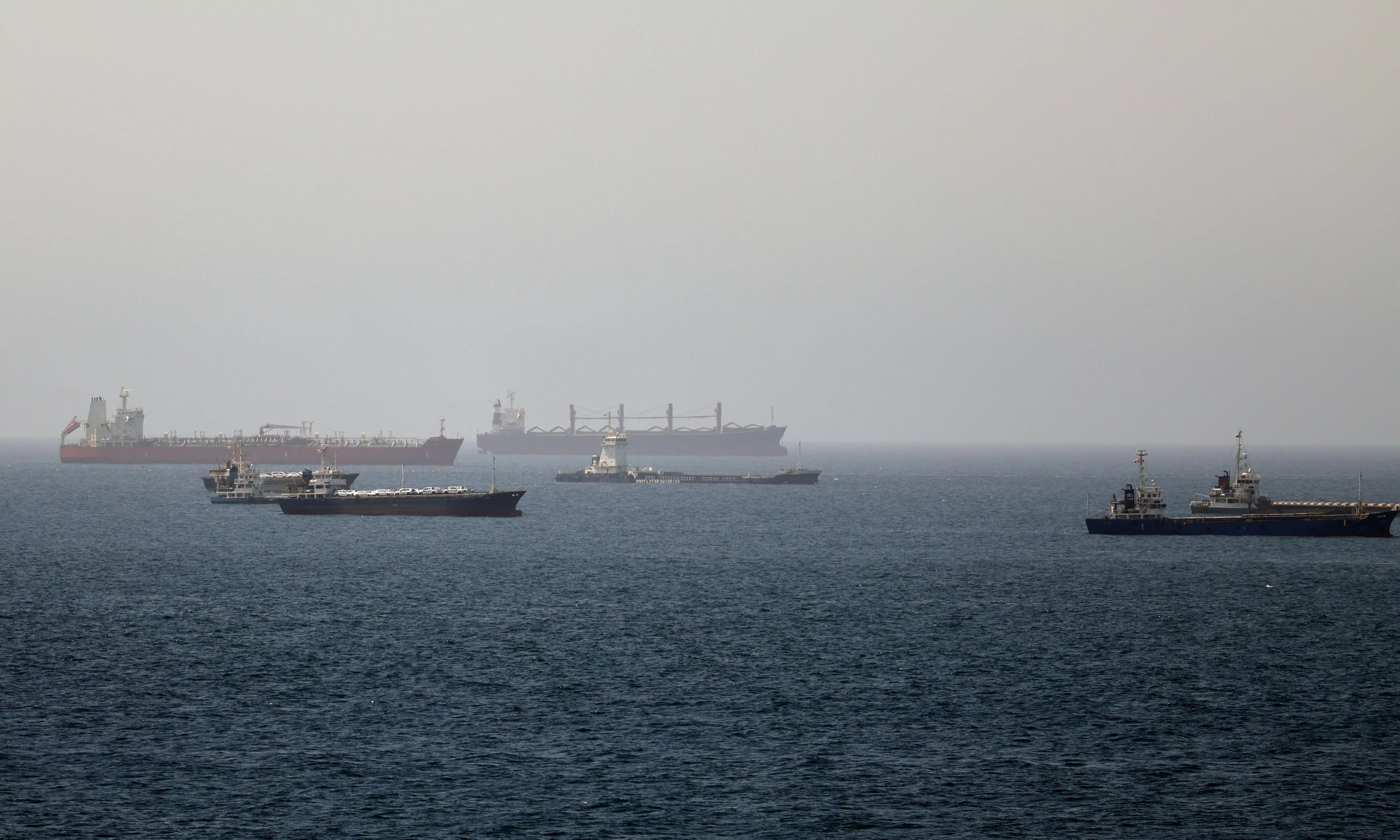
The framework of this US-Iran deal is structured into two primary phases. Phase 1 focuses on immediate conflict cessation across the region, including Lebanon. A critical component involves the reopening of the Strait of Hormuz, with Iran agreeing to suspend tariffs for a 60-day technical negotiation period. This move is designed to stabilize global maritime logistics and reduce immediate military friction.
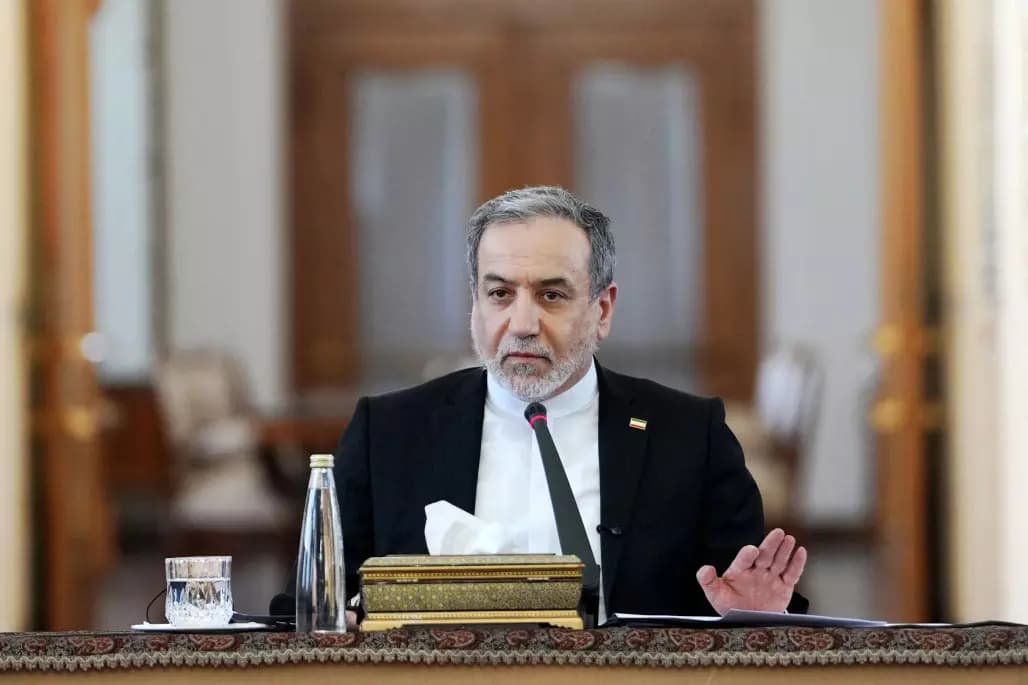
Phase 2 outlines mutual commitments. The United States pledges to respect the sovereignty of other nations and maintain current troop levels in the region, while Iran reaffirms its adherence to the Nuclear Non-Proliferation Treaty (NPT) and its commitment against acquiring nuclear weapons. Financial provisions include the release of $12 billion in frozen assets, with the potential for further disbursements and sanctions waivers related to oil and petrochemical exports. Additionally, a $300 billion reconstruction fund for Iran, supported by regional partners, is under discussion.
Geopolitical Implications for India
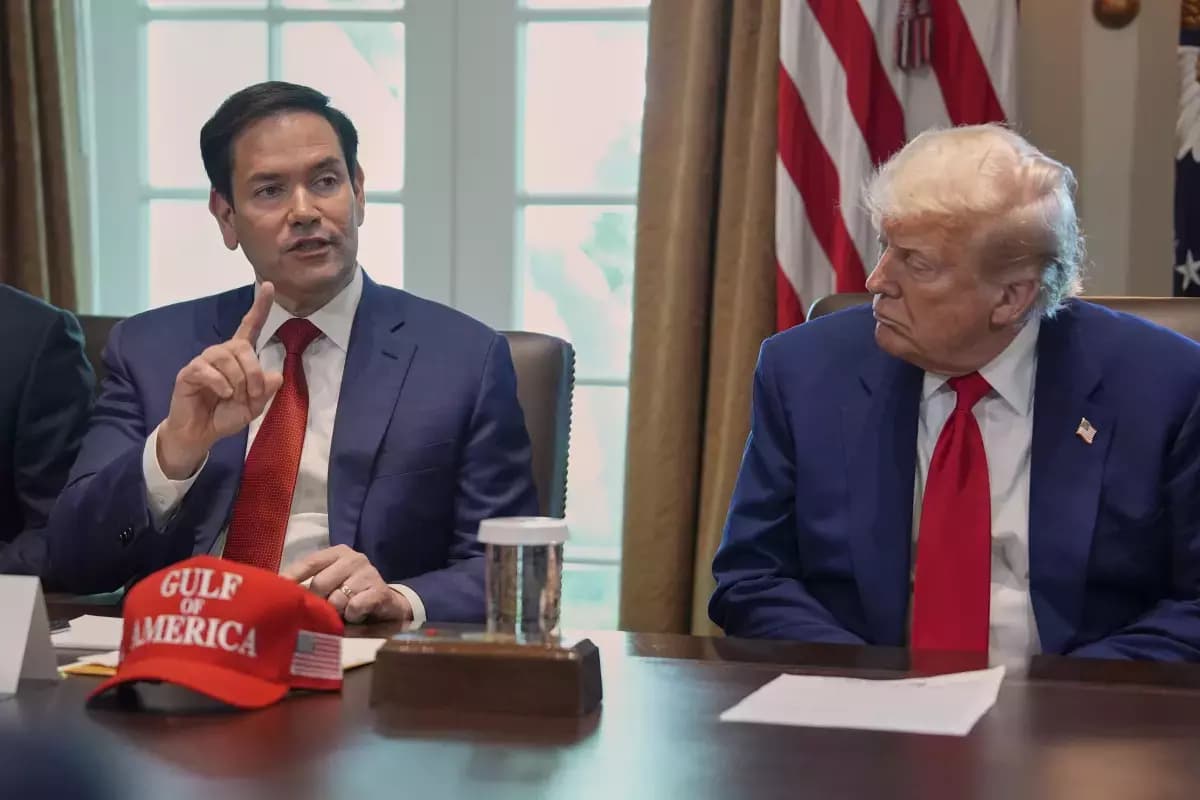
The international community has largely viewed the diplomatic breakthrough positively, though resistance remains from Israeli Prime Minister Benjamin Netanyahu. The alignment of India with the US-Israel-UAE axis has created new strategic challenges. As the US-Iran deal alters regional dynamics, India faces the necessity of reassessing its diplomatic posture to protect its strategic autonomy and re-establish trust with Gulf Cooperation Council (GCC) members and Iran.
Analysts suggest that India must now work diligently to balance its relationships across the region. With the upcoming 30-day discussion period followed by 60 days of intensive negotiations, there is a narrow window for India to secure its interests regarding energy and fertilizer imports. The diplomatic shift serves as a reminder that rigid alignment in regional conflicts can pose significant risks to a nation's long-term foreign policy objectives. Moving forward, the global order may be permanently reshaped by the unilateral activism seen throughout the negotiation process.