U.S.-Iran Peace Deal Threatened by Israel-Lebanon Withdrawal Demand
A proposed U.S.-Iran peace deal is under pressure after Tehran conditioned the agreement on Israel's withdrawal from Lebanon. While the deal aims to reopen the Strait of Hormuz, Israel's refusal to exit Lebanon threatens to stall diplomatic progress and restart hostilities.
Highlights
- •Iran insists a U.S.-Iran peace deal must require Israeli withdrawal from Lebanon to end the conflict.
- •Israel has formally rejected the demand to withdraw, casting doubt on the future of the negotiated agreement.
- •The deal aims to resolve the closure of the Strait of Hormuz and end the naval blockade on Iranian ports.
- •Upcoming diplomatic efforts will focus on Iran's nuclear program, including the disposal of highly enriched uranium reserves.
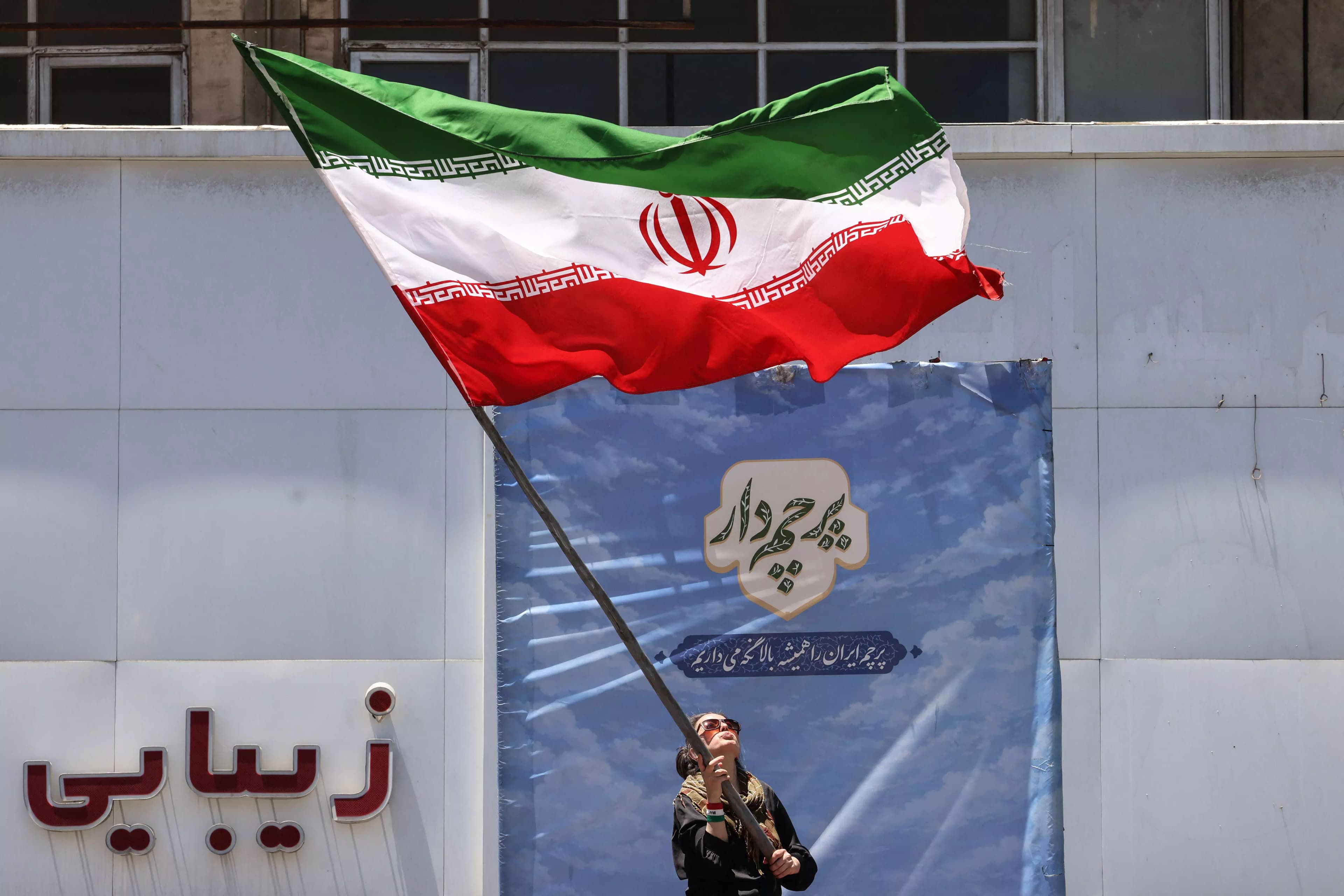
A tentative U.S.-Iran peace deal faces significant uncertainty following new demands from Tehran. Iranian diplomatic leadership has stated that any agreement aimed at ending the ongoing conflict between Iran and the United States must include a full withdrawal of Israeli forces from Lebanon.
Stalled Diplomacy and Security Tensions
This condition has created a major diplomatic roadblock, as Israel has formally rejected any such withdrawal. Israeli Prime Minister Benjamin Netanyahu recently emphasized that Israel intends to maintain its military presence in Lebanon for as long as deemed necessary. This friction threatens to derail the fragile U.S.-Iran peace deal, raising concerns about a potential return to full-scale hostilities.
The situation is further complicated by the fact that Israel is not a direct participant in these negotiations, despite its ongoing involvement in the conflict. Following joint military actions with the U.S. against Iran on Feb. 28, Israel has continued its campaign against the Hezbollah militant group. While Hezbollah has faced significant degradation, the militant group retains the capacity to strike Israeli territory, complicating the broader regional security landscape.
Impact on Global Energy and Regional Stability
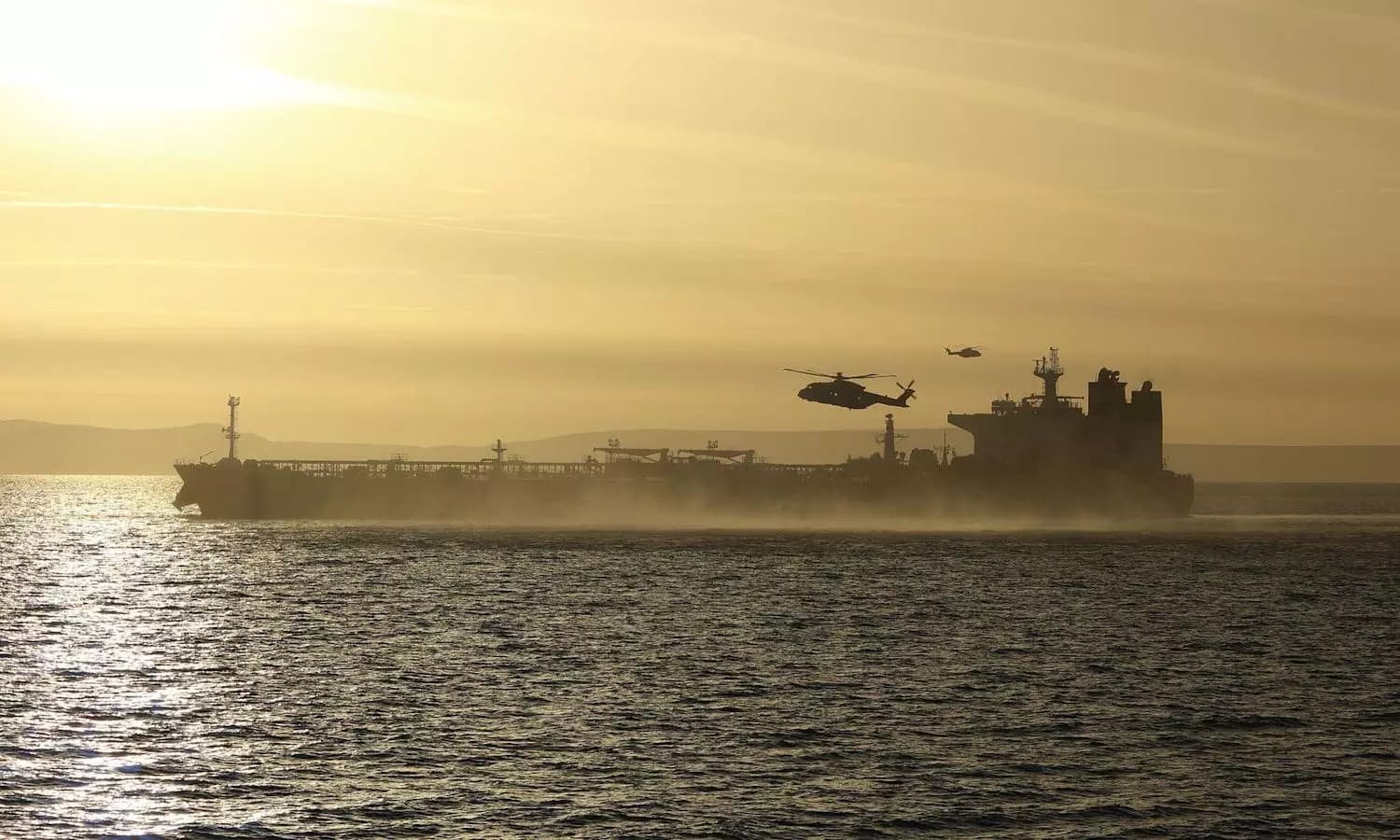
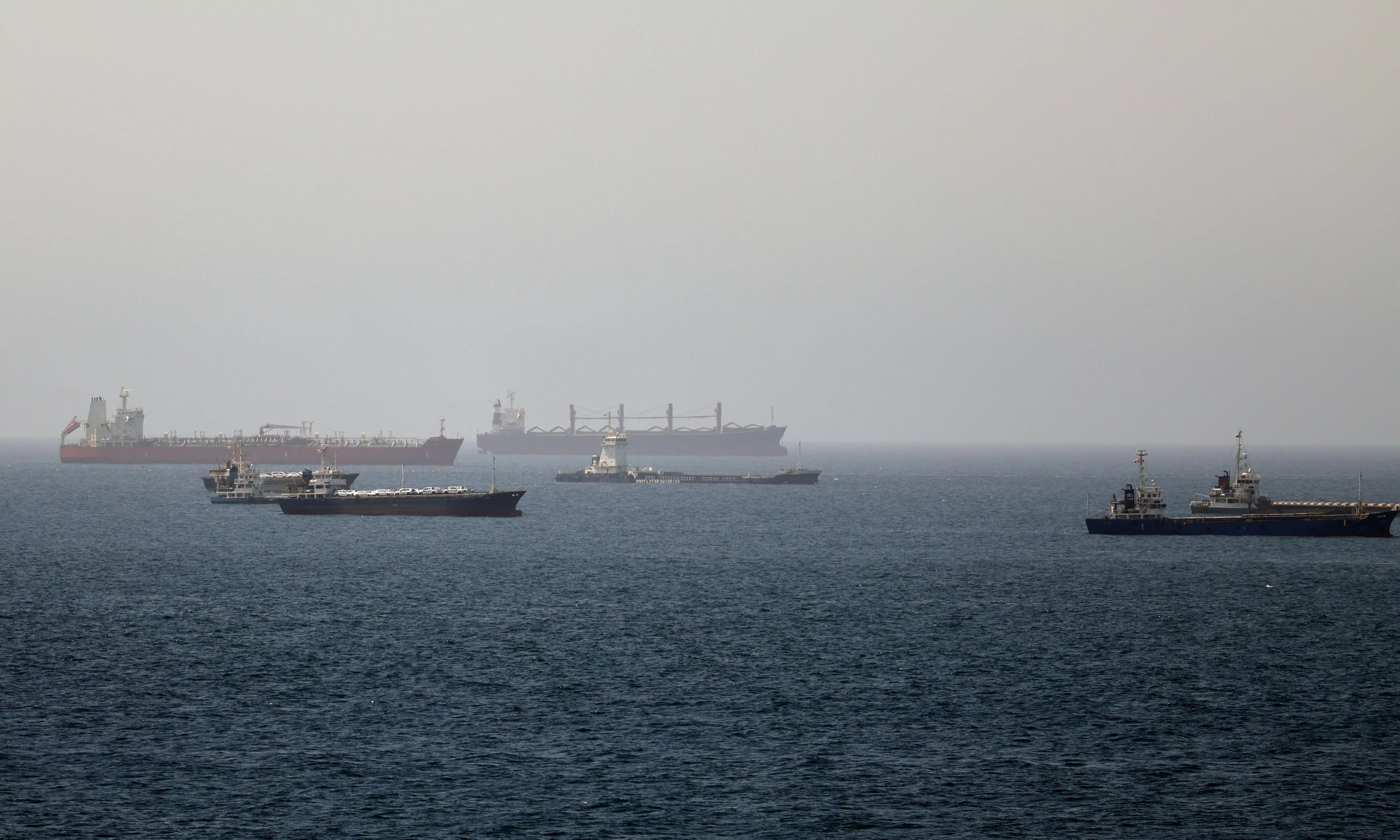
The ongoing unrest has had severe consequences, most notably the effective closure of the Strait of Hormuz, a vital artery for global energy supplies. The proposed agreement aims to resolve these tensions, with senior officials indicating it would facilitate the immediate reopening of this critical waterway and lift the American naval blockade on Iranian ports. Evidence of progress was observed Tuesday, as at least two Iranian oil tankers, the Diona and Hero II, successfully departed carrying approximately 3.8 million barrels of crude oil.
The path forward remains fraught with logistical and political challenges. Switzerland is scheduled to host a ceremonial signing for the agreement on Friday at the Bürgenstock resort. Looking ahead, both the U.S. and Iran are slated to commence 60 days of intensive discussions regarding Iran’s nuclear program. These talks will address critical concerns, including the potential removal or dilution of highly enriched uranium found at damaged nuclear sites.
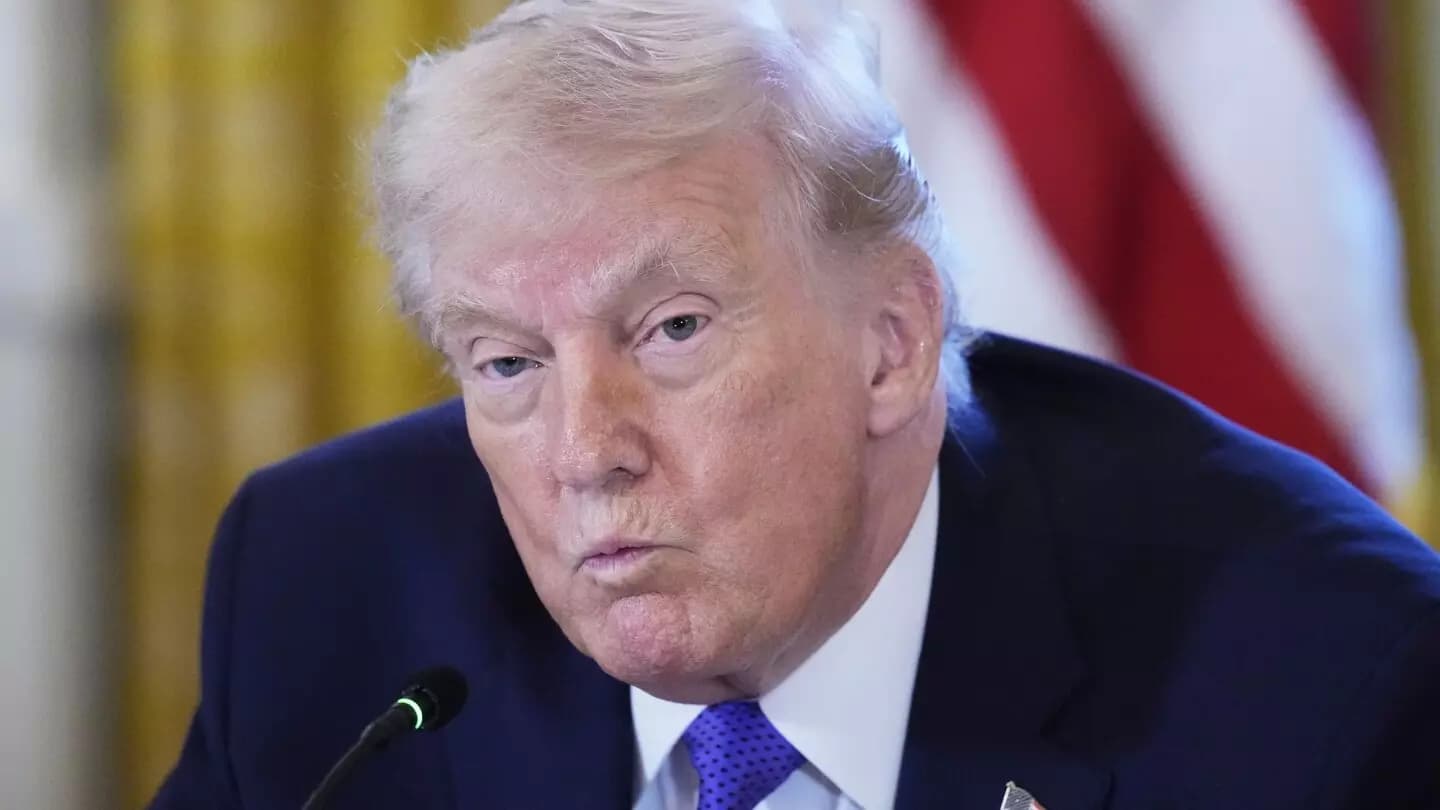
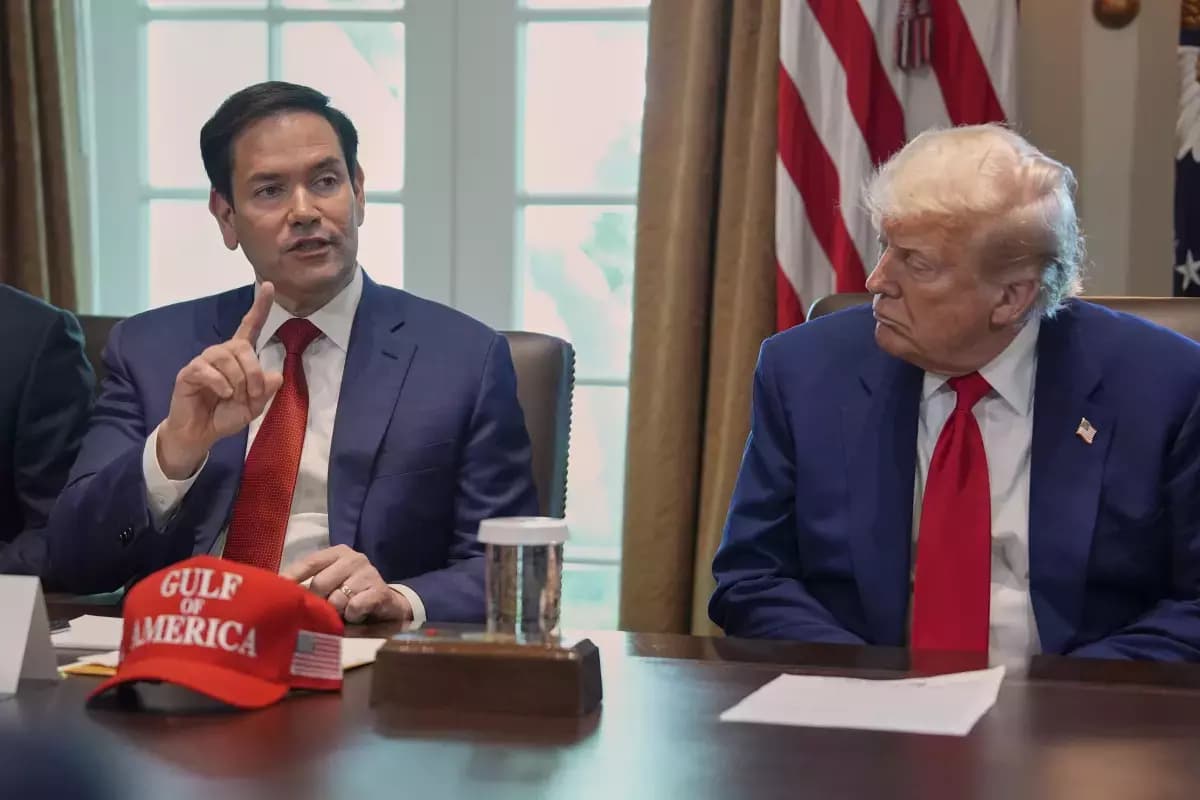
While Lebanese government officials have expressed interest in a ceasefire included within the broader deal, the requirement for an Israeli withdrawal from Lebanon remains a significant sticking point. With regional leaders, including U.S. President Donald Trump, expressing frustration over the duration and human cost of the conflict, the upcoming signing ceremony will be a defining moment for stability in the Middle East.